China’s Prototype EUV Machine: A Game Changer in Semiconductor Manufacturing
The recent news from China regarding a prototype extreme ultraviolet (EUV) lithography machine is sending ripples through the global semiconductor industry. This development is particularly significant because it indicates that China is ramping up its efforts to gain autonomy over semiconductor production, a cornerstone of modern technology that powers everything from smartphones to artificial intelligence systems. For decision-makers and entrepreneurs, understanding this shift is crucial, as it impacts supply chains, competition, and innovation within the tech landscape.
As we progress into a future heavily reliant on advanced technologies, the importance of chip manufacturing is paramount. At Best Choice, we understood early on that automating and optimizing business processes allows for greater efficiency, especially in industries reliant on sophisticated technology. The implications of China developing its own semiconductor manufacturing capabilities could redefine the strategic landscape in Europe and beyond, sparking important shifts in how companies like yours operate and compete.
The Significance of EUV Technology
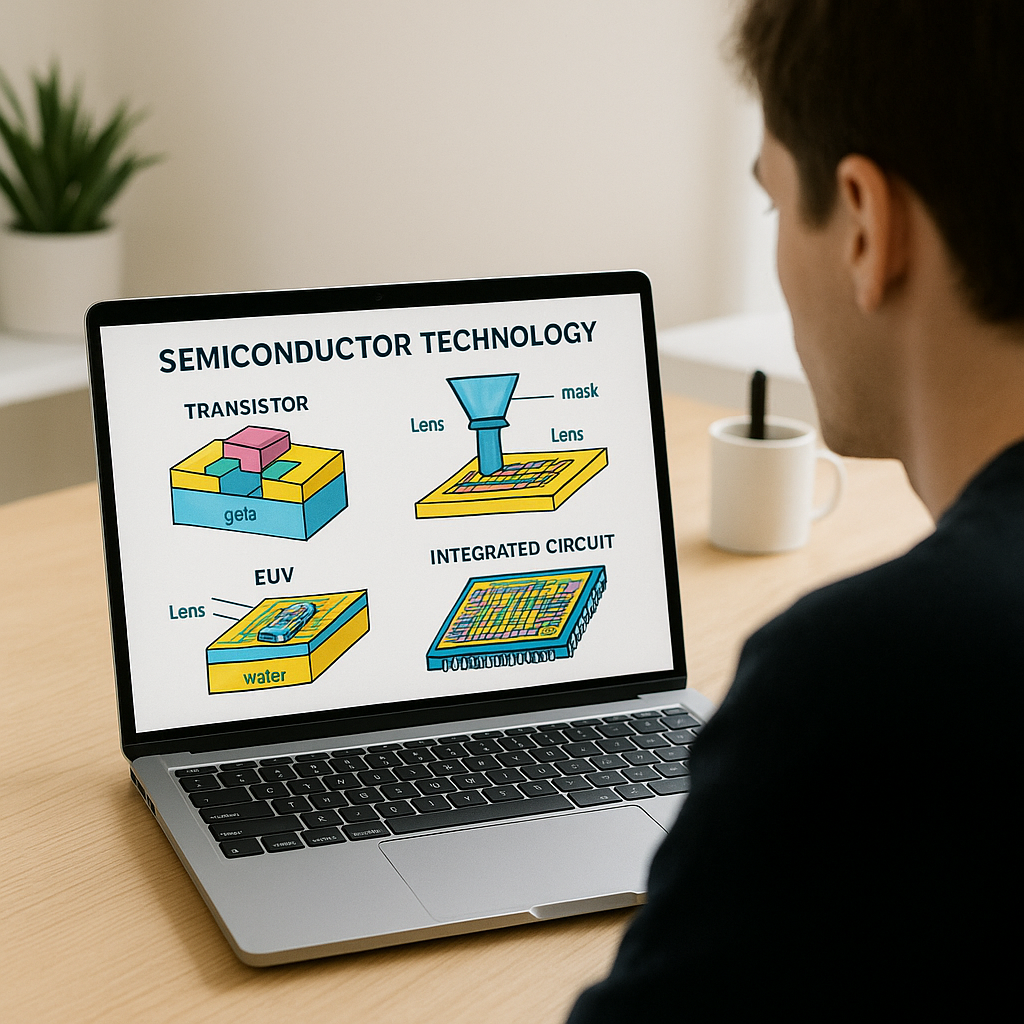
Extreme ultraviolet lithography is a complex technology used in the production of cutting-edge semiconductor chips. Unlike traditional lithography methods, EUV employs wavelengths of light in the extreme ultraviolet range, allowing manufacturers to etch smaller and more complex designs onto silicon wafers. This advanced technique is vital for producing chips with smaller nodes, essential for enhancing speed and performance.
Why EUV Matters for Businesses
If China achieves its goal of producing EUV chips by 2028, this could pose a significant challenge to established semiconductor giants such as Intel and TSMC. For businesses, this means potential shifts in sourcing, costs, and competition. Companies relying on advanced chips for their operations—from online retailers to logistics providers—may need to rethink their strategies.
Understanding the Prototype’s Development
The report from Reuters highlights that a team in Shenzhen has developed this prototype EUV machine, assembled by former engineers from ASML, a Dutch company renowned for its leadership in semiconductor lithography machines. Currently, while the prototype is capable of generating the extreme ultraviolet light necessary for chip manufacturing, it is yet to produce actual chips. The timeline suggests a significant push towards self-sufficient manufacturing, emphasizing China’s desire to reduce dependence on foreign technologies.
Competition and Collaboration
For entrepreneurs and business leaders, the emergence of this technology could lead to both competition and collaboration opportunities. While it may pose an immediate challenge, it also opens avenues for businesses that prioritize innovative partnerships. Companies in Denmark and Europe might consider incorporating advanced AI and automation solutions that directly tie into improved supply chains and chip accessibility.
Real-World Implications: Case Studies
The potential success of China’s EUV project may affect diverse businesses. For instance, consider a European online store that relies on cutting-edge chips for faster transaction processing and improved customer experiences. If Chinese firms produce EUV chips efficiently, it could reduce costs and enhance performance for similar businesses. On the flip side, local manufacturers might face new competitive pressures that require them to innovate.
Additionally, a logistics company could see enhanced automation and telecommunications through better chips. Systems reliant on AI algorithms would function better with access to advanced semiconductor technologies, allowing businesses to optimize operations and save time. For sectors like healthcare, clinics could leverage more robust AI-driven analytics thanks to improved semiconductor availability, enhancing patient care and operational efficiency.
Preparing for Potential Changes
As we look ahead, businesses need to prepare for the likelihood of these developments impacting their sectors. Here are a few actionable recommendations:
- Stay Informed: Keep an eye on global semiconductor developments and market shifts. Knowledge about new technologies can provide a competitive edge.
- Adapt and Innovate: Assess your current technology stack and explore how advancements in semiconductors can be incorporated to improve efficiency.
- Optimize Supply Chains: Streamline your supply chains to mitigate risks associated with geopolitical tensions and emerging technologies.
- Invest in Automation: Consider implementing advanced software solutions that utilize AI and data analytics, which will benefit from future chip advancements.
Conclusion
The emergence of China’s prototype EUV machine is a pivotal moment in the semiconductor industry, potentially shifting the balance of power in chip manufacturing. At Best Choice, we recognize that keeping pace with technology is essential. By understanding these developments and adjusting strategies accordingly, businesses across Europe can not only survive but thrive in an increasingly competitive landscape. If you need assistance in optimizing your technological pathways or automating your processes, feel free to reach out. We are here to help you navigate this ever-evolving environment.