# Google Appeals Antitrust Ruling: What It Means for the Tech Landscape
In the ever-changing world of technology and digital services, staying ahead of the curve is essential—but what happens when a giant like Google is accused of maintaining an unfair advantage? Recently, Google filed an appeal against a federal judge’s ruling that confirmed its monopoly in the search engine market. This case has serious implications not just for Google, but for businesses and consumers in Denmark and across Europe.
As a business decision-maker or entrepreneur, understanding the nuances of such high-profile cases can provide valuable insight into the dynamics of the tech landscape. The ramifications of these rulings can affect data practices, competition, and innovation—elements crucial to any growing enterprise. Let’s delve into what this appeal means and why it matters to you.
## Understanding the Ruling
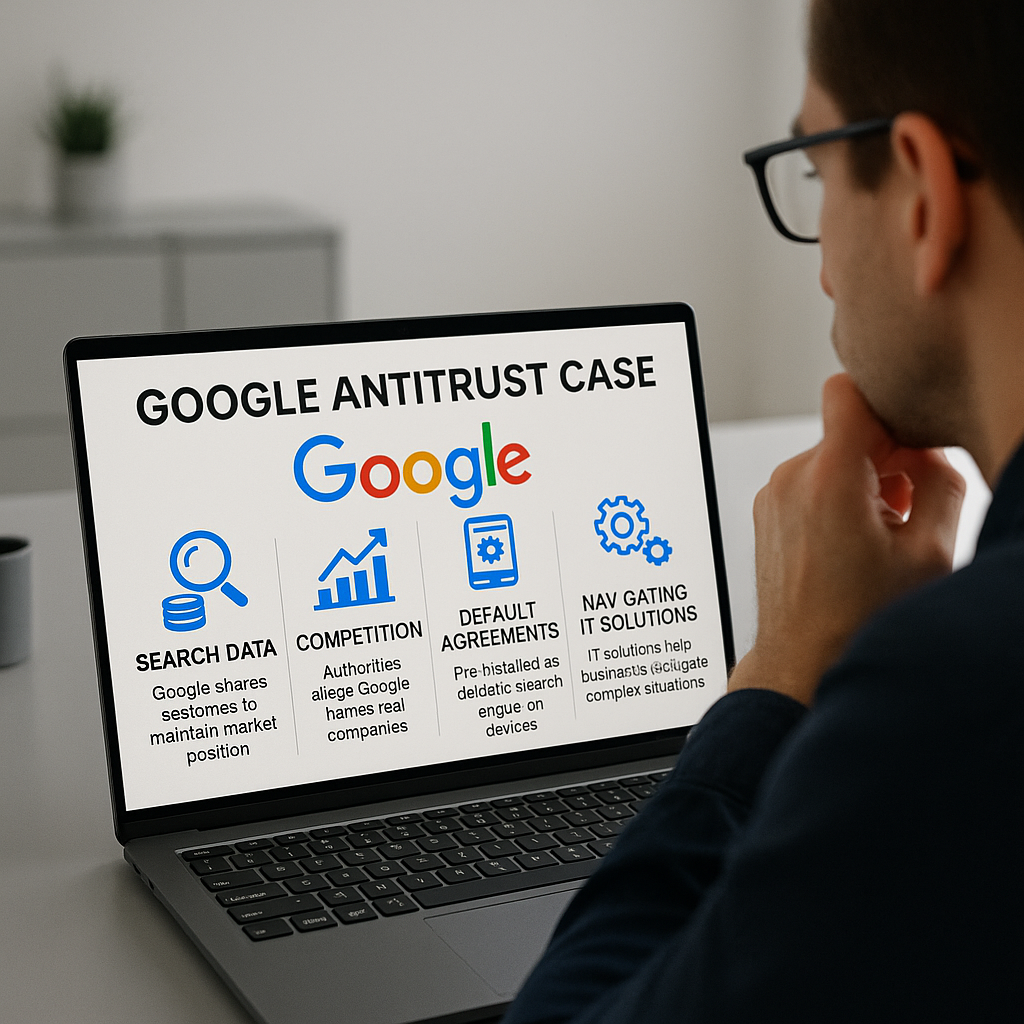
The ruling concluded that Google has established and maintained a monopoly through its default search engine placement on various platforms and its control over search ads. The Department of Justice (DOJ) pointed to these factors as detrimental to competition and innovation in the market. Google argues that the ruling mistakenly assumed consumer preference is enforced, rather than earned, suggesting that users choose Google for its superior services.
### The Appeals Process
In the appeal, Google is requesting a pause on the implementation of the court’s remedies, which include sharing sensitive search data with its competitors. The company asserts that such a requirement poses privacy risks and could stifle innovation among rival companies, making it increasingly difficult for them to create their own niche products and services.
This case is not just about legal proceedings—it’s a battle for the future of digital services. If Google succeeds in its appeal, it could potentially reshape the regulatory landscape for tech giants, impacting how data-sharing is approached across the industry.
## Implications for Businesses
For entrepreneurs and businesses, this case offers a telling reflection of the current climate in the tech industry. Here are some considerations to bear in mind:
### 1. **Data Privacy and Security**
As the legal tussle highlights the importance of data handling, companies must assess their own privacy practices. Implementing robust data protection measures can serve as a competitive advantage. If large entities like Google are challenged about data sharing, consumers may develop heightened concerns about how their personal data is utilized, urging businesses to transparently communicate their data policies.
### 2. **Innovation Pressure**
The appeal emphasizes the necessity for businesses to focus on innovation. As more start-ups and established companies enter the fray, leveraging advanced technologies can help in creating unique offerings. Companies need to innovate to stand out—not merely replicate services provided by larger players.
### 3. **Competition and Collaboration**
The legal battle could usher in a more competitive environment in Denmark and Europe, amplifying opportunities for smaller players. As big tech faces scrutiny, smaller companies can thrive by developing niche products that meet specific consumer needs—juxtaposing the broad-scale services of companies like Google.
### 4. **Potential Compliance Costs**
If the ruling stands, businesses may face compliance costs related to how data is shared, collected, and utilized. Proactively evaluating internal processes to remain adaptable in the face of regulatory shifts can help mitigate future expenses.
### 5. **Market Positioning**
Understanding the changing landscape allows businesses to reposition themselves strategically. This case may open avenues for collaboration among companies that seek to offer alternatives to large corporations. Communities of actual and potential competitors can leverage the situation by joining forces in data-sharing initiatives while maintaining compliance.
### 6. **Global Perspectives**
Tech rulings in the U.S. can often have rippling effects across Europe. Staying informed about international regulations not only keeps your business compliant but also enhances competitive strategies as market conditions shift in tandem with global trends.
## Conclusion
The appeal from Google against the ruling of its monopoly in the search market serves as a pivotal moment for the tech landscape, evolving rapidly in response to legal challenges. As business leaders, we at Best Choice recognize the importance of adapting to this changing environment. By focusing on data privacy, innovation, competitive positioning, and cost-effective compliance, businesses can better navigate their paths toward success.
If your company is looking to streamline processes, implement custom digital solutions, or simply adapt to these market changes, we encourage you to reach out. Together, we can transform your challenges into opportunities for growth and success.