Washington is the Latest State Pursuing an Age Verification Law for Porn Sites
In an era where digital interactions constitute a significant portion of our lives, the safety and protection of minors online have emerged as pressing concerns. Washington State has recently taken firm steps in addressing these concerns with the introduction of House Bill 2112, informally known as the “Keep Our Children Safe Act.” This proposed legislation aims to enforce age verification measures on websites that feature pornographic material or “online sexual material harmful” to individuals under 18 years of age. The initiative seeks to create a safer internet landscape for children in Washington, joining other states in similar efforts.
Rep. Mari Leavitt’s bill signals a growing trend across various states, including Texas, which implemented age verification laws that have already garnered significant attention. As a business decision-maker or entrepreneur, it’s important to understand how these regulations could influence online practices and overall website accessibility. Beyond the realm of compliance, such initiatives open discussions on user privacy and data security, highlighting the delicate balance that websites must maintain in ensuring both safety and user experience.
Understanding the Age Verification Law: Key Features
House Bill 2112 revolves around a few key components. Here’s what to expect if the law comes into effect:
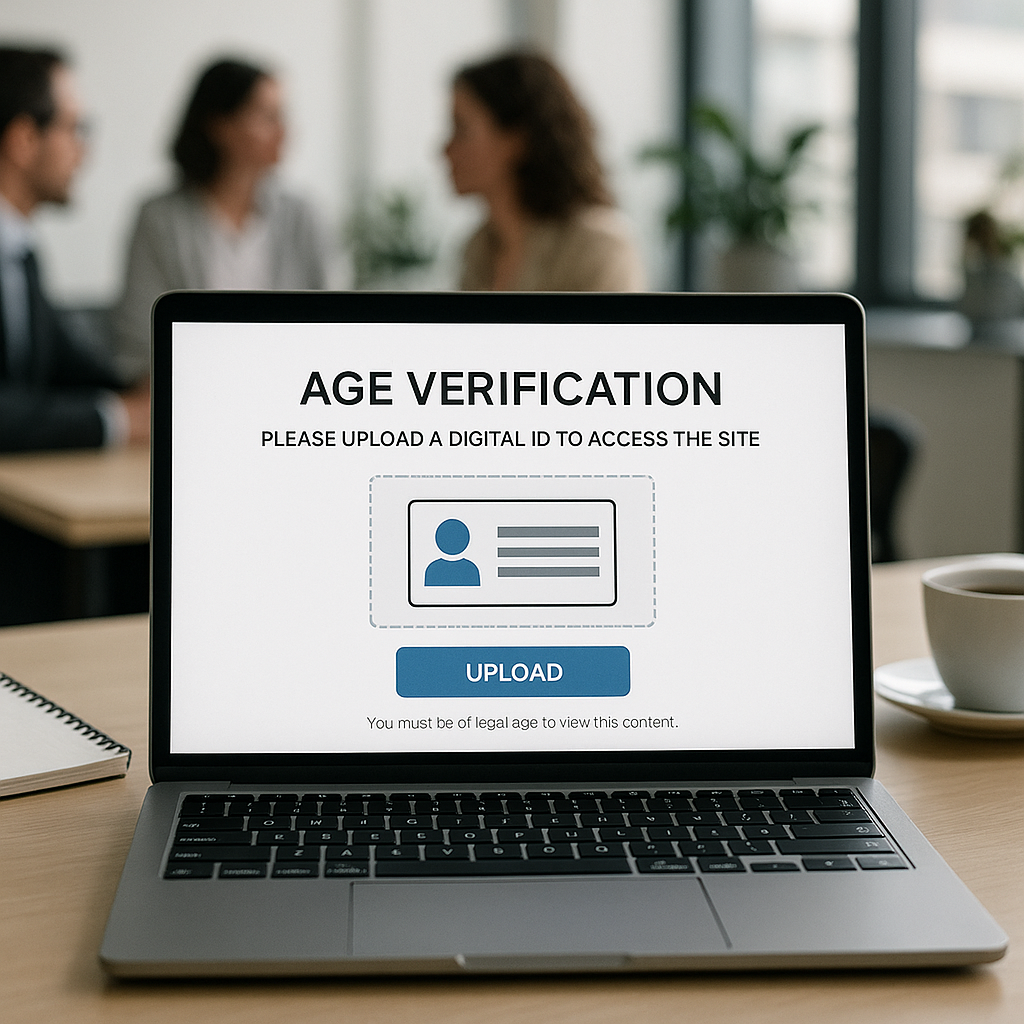
- ID Requirements: Washington residents may soon be required to present digital identification or adapt to an age verification system that utilizes government-issued IDs to access content classified under harmful sexual material.
- Enforcement Mechanisms: Websites that operate with over one-third of their content categorized as “sexual material harmful to minors” must comply with this age verification requirement to avoid potential penalties.
- Penalties for Non-Compliance: The Washington state attorney general will have the authority to impose steep civil penalties on non-compliant websites, marking a significant shift towards stricter regulatory oversight.
Comparative Analysis with Other States
Washington’s move to implement an age verification law echoes similar legislative efforts seen in states like Texas. Texas’ law, which went into effect in September 2023 and was subsequently upheld by the US Supreme Court, has faced its own share of resistance from various groups. Critics, including the ACLU and the Lavender Rights Project, have raised concerns about potential privacy risks, data breaches, and ambiguous definitions surrounding the term “sexual material harmful to minors.”
As more states consider similar laws, I encourage businesses and website owners to understand their implications fully. Compliance may require changes in technology and user experience that could either enhance security or complicate access—all critical factors for anyone operating online.
Implications for Businesses Operating Online
For entrepreneurs and decision-makers, the advent of age verification requirements can be seen both as a challenge and an opportunity. Here’s how businesses can navigate these legal changes effectively:
- Invest in Compliance Solutions: Websites may need to integrate third-party age verification services that facilitate ID checking securely. These solutions can help businesses adhere to compliance without compromising user privacy.
- Focus on User Experience: Implementing age verification systems could lead to user friction, so finding a solution that minimizes disruption while maintaining compliance is crucial.
- Stay Informed on Legislative Changes: Constantly evolving legislation can affect different sectors. I recommend monitoring these developments and adapting your strategies accordingly.
Privacy Considerations and Data Security Risks
The concerns raised by organizations such as the ACLU reflect the growing unease surrounding data security in the online age. As businesses integrate age verification systems, safeguarding user data must remain a priority. Here are practical insights to consider:
- Use Encryption: Any data submitted through age verification systems should be encrypted to add a layer of protection against unauthorized access.
- Limit Data Collection: Only collect the minimum necessary information to verify age, reducing the risk of data breaches and enhancing user privacy.
- Regular Audits: Conduct routine audits of your data management practices to ensure compliance with privacy laws and mitigate security risks.
Learning from the Experience of Other Businesses
Let’s look at some businesses that have navigated similar regulations. Consider a local online store that sells adult products. They faced significant changes when age verification laws were implemented and responded by integrating a robust ID verification system. By ensuring that they only collected necessary information and utilized secure processing methods, they successfully maintained customer trust while complying with legal standards.
Conclusion: Prepare for the Future
As Washington moves forward with potential age verification laws, it’s crucial for businesses—whether operating in the adult industry or not—to understand the ramifications. Navigating these waters requires strategic planning, technological adaptation, and a commitment to user privacy. At Best Choice, we specialize in helping businesses adapt to digital compliance requirements while maintaining smooth operational workflows. If you’re looking for guidance on how to implement age verification systems or enhance your online safety measures, we are here to support you.
Contact us today to explore how we can help ensure that your business is prepared for the changes ahead.