Google’s New AirDrop Support: A Game Changer for Businesses
As a business decision-maker, staying ahead of tech trends is vital. One significant development recently emerged from the intersection of Apple and Android — Google’s plan to expand AirDrop functionality to a broader range of Android devices in 2026. This collaboration not only hints at a growing compatibility between different ecosystems but also offers immense potential for improving workflows across various industries.
Imagine this: a café owner seamlessly transferring images of the daily specials from their phone to an iPad for quick updates on the business’s social media pages. Or consider a clinic effortlessly sharing patient data between different devices. The implications are numerous as we look forward to Google making AirDrop a cross-platform tool for many more Android users.
The Two-Way File Sharing Revolution
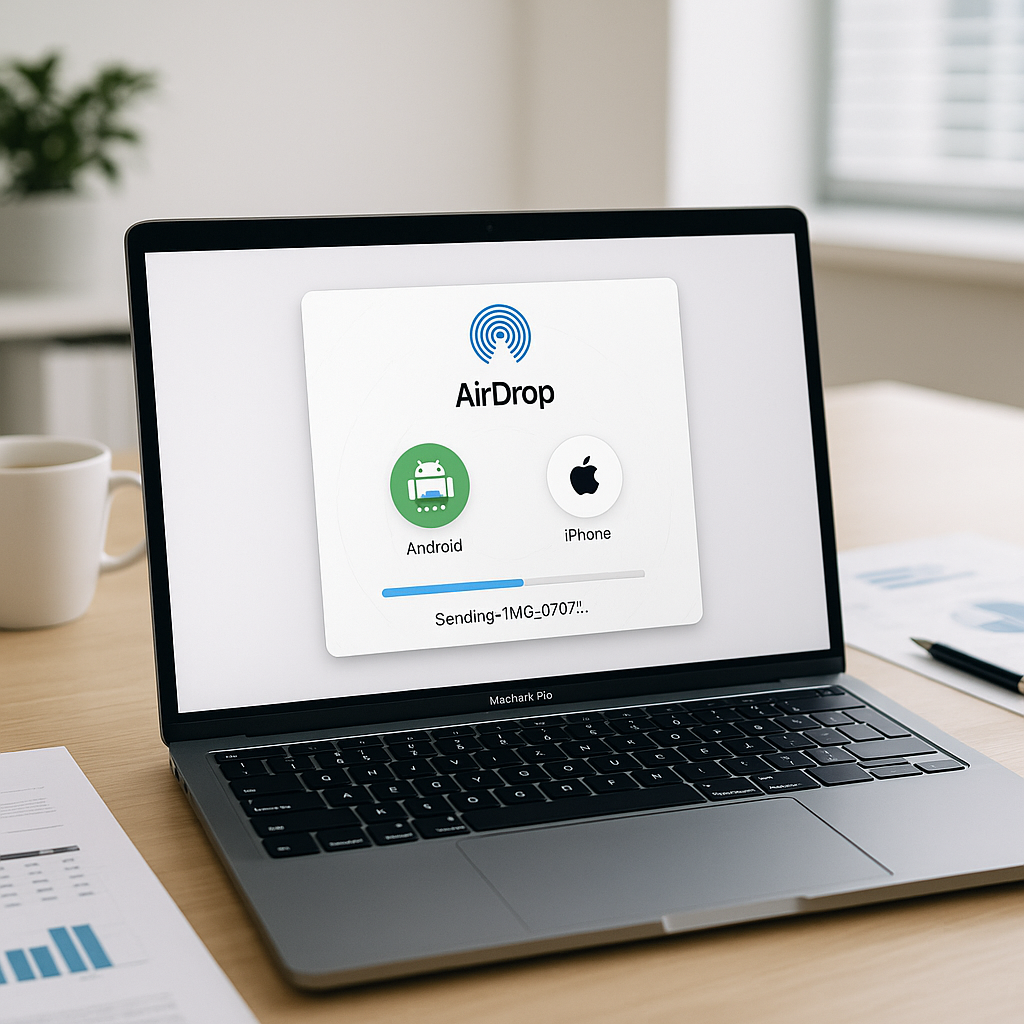
One of the most surprising advancements we saw in 2025 was the introduction of two-way support for Apple’s AirDrop functionality on Google’s Pixel 10 series. Previously, the divide between Android and iOS might have been a hindrance, especially for businesses with diverse device ecosystems. With Google’s commitment to making device-hopping easier for users, we can expect a smoother experience for organizations operating across platforms.
How It Works
Currently, to leverage this feature, Pixel 10 users can send and receive files and photos with their Apple counterparts using the Quick Share feature. This requires some setup — both devices must adjust their visibility settings to allow for easy transfers. For instance, Android users need to set their Quick Share visibility to “everyone for 10 minutes,” and vice versa for Apple devices. While this might seem cumbersome, the enhanced compatibility opens doors for more efficient communications and data sharing in a business setting.
Streamlining Operations Across Devices
Consider a warehouse manager who utilizes both Android devices and iPads to track shipments. The ability to quickly shift data between devices will minimize delays, streamline inventory management, and ultimately improve operational efficiencies. The quicker you can share and access data, the more effectively your team can respond to fluctuating demands.
The Bigger Picture: Enhanced Interoperability
As Eric Kay, Android’s Vice President of Engineering, mentioned, Google is determined to expand this functionality throughout its ecosystem. This initiative reflects a growing acknowledgment among tech giants that collaboration could provide mutual benefits and improve user experience.
Benefits for Businesses
- Improved Collaboration: Team members can share essential files instantly, making it easier to collaborate irrespective of the devices they are using.
- Increased Accessibility: File sharing becomes a hassle-free process when teams can quickly transfer documents without worrying about platform differences.
- Enhanced Customer Experience: Businesses can maintain seamless interactions with clients, even when they use different devices.
Integrating Open-Source Solutions
While platforms like AirDrop offer tremendous utility, businesses should also consider open-source solutions that encourage flexibility and cost-effectiveness. For instance, tools like Nextcloud or FileSender provide secure file transferring capabilities which can be integrated into your existing workflows. This adaptability can be a game-changer, making sure you are not restricted to the limitations of proprietary systems.
Future Prospects: What’s Next?
As we move into 2026, we can anticipate even more exciting advancements. Google’s partnership with Apple could represent a permanent shift toward cross-platform compatibility, making it easier for businesses to operate without worrying about device limitations. This trend toward interoperability can catalyze a more integrated and fluid digital landscape, providing numerous advantages for businesses of all sizes.
Actionable Tips for Business Leaders
- Stay Informed: Follow the latest developments in tech collaborations, as these could greatly impact your business’s operational efficiency.
- Evaluate Your Tech Stack: Assess how device compatibility influences your current processes and be open to integrating new solutions.
- Training and Adaptation: Prepare your teams to utilize these new features by offering training that emphasizes cross-platform workflows.
Conclusion: Embrace the Changes
As the tech landscape evolves, so must your strategies. The upcoming expansion of Google’s AirDrop functionality is just one example of how companies are making strides toward greater interoperability. At Best Choice, we understand the importance of these advancements and are committed to helping you navigate these changes. Whether you’re looking to implement custom solutions, integrate systems, or enhance data-sharing capabilities, we are here to support your business growth. Contact us today to explore how we can assist you in optimizing your digital infrastructure.