Understanding Apple’s New Age Verification Tools: What Businesses Need to Know
Apple’s introduction of age verification methods in specific regions is an important shift in how apps are managed and downloaded. With new laws being put into place, particularly in Utah, Louisiana, and certain international markets like Australia and Brazil, businesses must understand the implications of these regulations. The changes aim to protect minors from inappropriate content while ensuring that developers comply with age-assurance obligations. As a decision-maker or entrepreneur, you might be wondering how this affects your app strategy or service model. Let’s delve into what this means for you.
At Best Choice, we specialize in custom IT solutions that help businesses navigate complexities like these. Implementing age verification is just one of the myriad challenges that developers face as they create applications in today’s regulatory environment. In this article, I will break down what these new tools entail and how they impact your business.
What’s Changing in Age Verification?
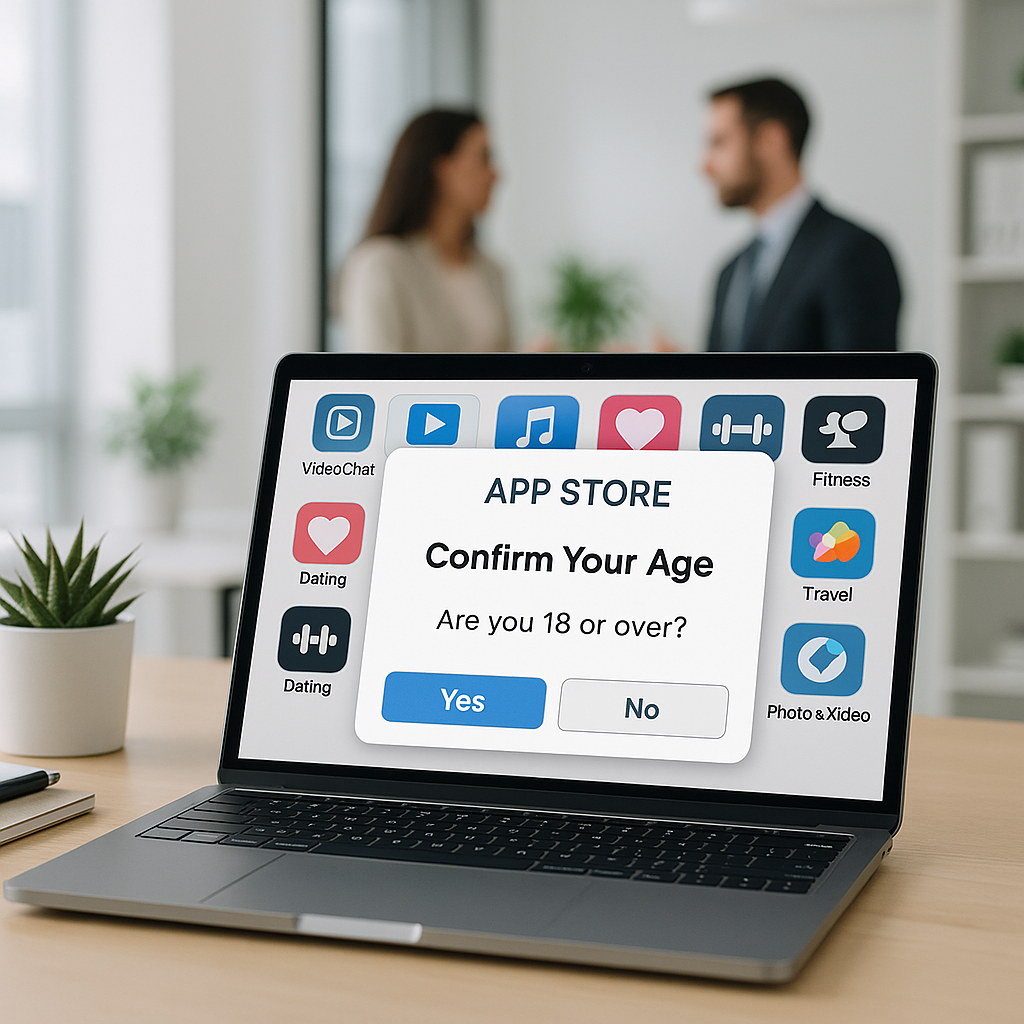
Apple is paving the way for a more secure app ecosystem where minors are protected from exposure to adult content. Starting February 24, 2026, only users who can verify they are over 18 will be allowed to download apps rated 18+. This includes new regulations in locations like Australia, Brazil, and Singapore. Developers must take on the responsibility of confirming the age of their users in order to abide by these new laws, thus maintaining compliance while protecting their user base.
How Will Developers Implement Age Verification?
Apple has made it easier for developers by introducing the Declared Age Range API for iOS, iPadOS, and macOS. This API can provide “helpful signals” that indicate the user’s age range. Developers can implement this API to collect the necessary data to validate age without compromising user privacy. This approach streamlines the verification process while allowing apps to be updated swiftly in compliance with new laws.
Practical Example: An Online Store
Consider an online store that sells video games, where many products might have age restrictions. By implementing the Declared Age Range API, the store can ensure that only users over 18 can purchase specific games. This not only safeguards minors but protects the business from potential legal problems due to non-compliance. Keeping the sales funnel optimized while reinforcing responsible development practices can improve overall revenue and simplify operational workflows.
New Laws in Utah and Louisiana: What to Anticipate
Starting May 6, 2026 in Utah and July 1, 2026 in Louisiana, stricter requirements around age verification will kick in. Under these laws, new accounts created by users must be accompanied by verification, which could involve parental links for users under 18. This will compel developers to think ahead about how their applications handle account creation and age verification.
Real-World Application: Clinic or Health App
If you run a clinic and are considering a health application that requires patient signup, ensuring compliance with age verification laws becomes vital. You may need to use parental consent features in your design to allow younger patients to access certain health information. This proactive approach will not only protect your clinic legally but also foster trust among your users.
The Role of Age Verification in User Experience
Age verification doesn’t just serve a legal purpose; it also enhances user experience. When users feel protected, they are more likely to engage actively with your applications. As a business looking to build a solid reputation, compliance with these regulations will be crucial.
Considerations for User Data Privacy
While these tools are intended to enhance safety, they have attracted criticism concerning privacy. As highlighted by the Electronic Frontier Foundation, poorly designed systems that store personal data can inadvertently expose sensitive information. This is where Best Choice can provide invaluable support by developing secure, privacy-centric applications that comply with regulatory standards without sacrificing user trust.
Next Steps for Your Business
Here are some actionable steps for you to consider:
- Assess your current applications for compliance with upcoming age verification laws.
- Explore the integration of Apple’s Declared Age Range API to streamline age verification processes.
- Evaluate your user data storage and privacy policies to ensure they align with new regulations.
- Keep abreast of ongoing changes in laws across various regions to remain ahead of compliance demands.
Conclusion
As the landscape of app development continues to evolve with increased regulations, understanding and implementing age verification tools become essential for businesses across Europe, especially in Denmark. Here at Best Choice, we have the expertise to guide you through these changes, ensuring that your applications not only comply with laws but also enhance user experience while maintaining privacy. If you’re looking to adapt your services with these new regulations in mind, don’t hesitate to reach out to us. Let’s work together to create a compliant and efficient system that sets your business up for success.