### The Importance of Child Safety in Digital Spaces
In a rapidly evolving digital landscape, the topic of child safety on social media platforms has taken center stage. Recently, Pinterest’s CEO highlighted a pressing issue: the safety of teenagers under 16 on social media. His call for a ban on social media access for younger teens has sparked a broader conversation about how we can protect our youth in an online environment that increasingly blurs the line between community and potential danger. As business decision-makers and entrepreneurs, it’s crucial to understand the implications of such policies and their impact on user engagement and business practices.
At Best Choice, we recognize the necessity of developing solutions that prioritize safety and well-being, especially for younger demographics. The context in which these solutions operate is as significant as the solutions themselves. By leveraging technology responsibly and integrating safety into design, businesses can contribute to a healthier digital ecosystem.
### Why Ban Social Media for Younger Teens?
Pinterest’s CEO, Bill Ready, argues that current social media configurations are not safe for teens under 16. This perspective encourages us to consider the responsibility tech companies have in creating secure experiences for all users, particularly vulnerable populations. A ban could serve as a foundational step in establishing clearer guidelines and standards, not only for social media companies but also for mobile operating systems, ensuring better enforcement of safety protocols.
### How Custom-Built Digital Solutions Can Ensure Safety
At Best Choice, we specialize in developing custom-built solutions tailored to the needs of businesses. One of the primary benefits of a bespoke solution is the ability to incorporate safety features that align with the values of your business while ensuring compliance with regulations. For example, if you run an online store or a booking platform, we can create user verification systems that limit access to certain functionalities for users under a specific age or implement privacy settings that protect personal data.
#### Real-World Application: A Café with Teen Engagement
Consider a café that attracts a younger crowd. A custom-built application, complete with age verification and communication features, can facilitate a safe environment where teens can interact with your brand without exposing them to harmful content. By automatically flagging inappropriate interactions and using AI to analyze user behavior, the café enhances user trust and safety.
### The Role of Open-Source Solutions
While custom solutions are essential, there are also popular open-source platforms that can help enforce safety regulations. Systems like WordPress and Joomla come with plugins that allow businesses to restrict user access based on age or implement privacy-centric features.
In Denmark and across Europe, businesses increasingly adopt these open-source solutions, providing a balance between customization and community contribution. This enables companies to not only meet legal requirements but also foster user confidence.
### Ensuring Accountability Through Best Practices
The conversation about social media safety doesn’t end with bans. Companies must also hold themselves accountable for user safety. Implementing transparent policies about data usage and content moderation ensures that your business is aligned with global standards. This effort resonates with users, building brand love and trust.
Imagine a warehouse management software designed for a logistics company that integrates real-time monitoring of user behaviors. Such a tool not only enhances productivity but also ensures that sensitive information is only accessible to authorized personnel, protecting the data integrity crucial in today’s competitive business landscape.
### Automating Safety Measures
Automating routine checks on user-generated content allows for a safer online environment. Incorporation of chatbots equipped with moderation capabilities can help manage flagged content, ensuring that harmful posts are quashed before they reach the broader audience. Whether it’s through a dedicated app or your website, such integrations allow for a streamlined experience while prioritizing safety.
### Recommendations for Protecting Teenage Users
1. **Establish Clear Age Restrictions**: Ensure that your platform has predetermined age cut-offs and verification processes.
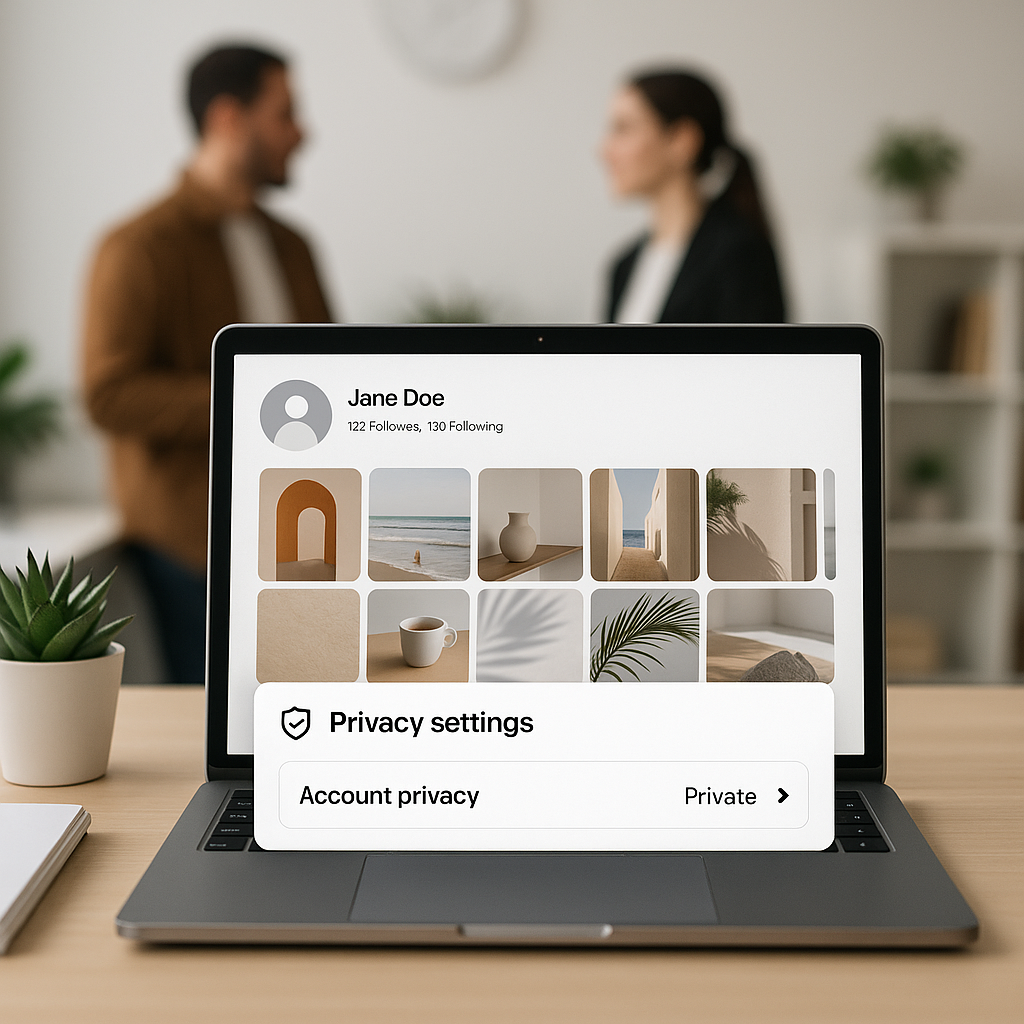
2. **Implement Privacy by Default**: By making accounts private automatically for younger users, you limit exposure to public scrutiny.
3. **Regularly Monitor User Activity**: Use analytics and AI to track patterns of user behavior, adjusting safety protocols accordingly.
4. **Educate Users**: Providing users with resources that explain how to use your platform safely fosters a culture of awareness.
5. **Engage with Parents**: Keep open lines of communication with parents or guardians, providing them insights on how to monitor teen usage safely.
6. **Collaborate with Experts**: Partnering with child safety advocates and digital literacy organizations can solidify your commitment to a safe online community.
### Conclusion
In today’s digital world, where the debate on child safety continues to evolve, it’s essential for businesses to take a proactive approach. At Best Choice, we believe in creating solutions that not only fulfill business objectives but also uphold a responsibility towards user safety. As we move forward, let’s prioritize the well-being of all users, particularly the younger generation. If you’re looking to develop a responsible and user-friendly solution for your business, we invite you to reach out to us at Best Choice. Let’s work together to build a safer digital future.