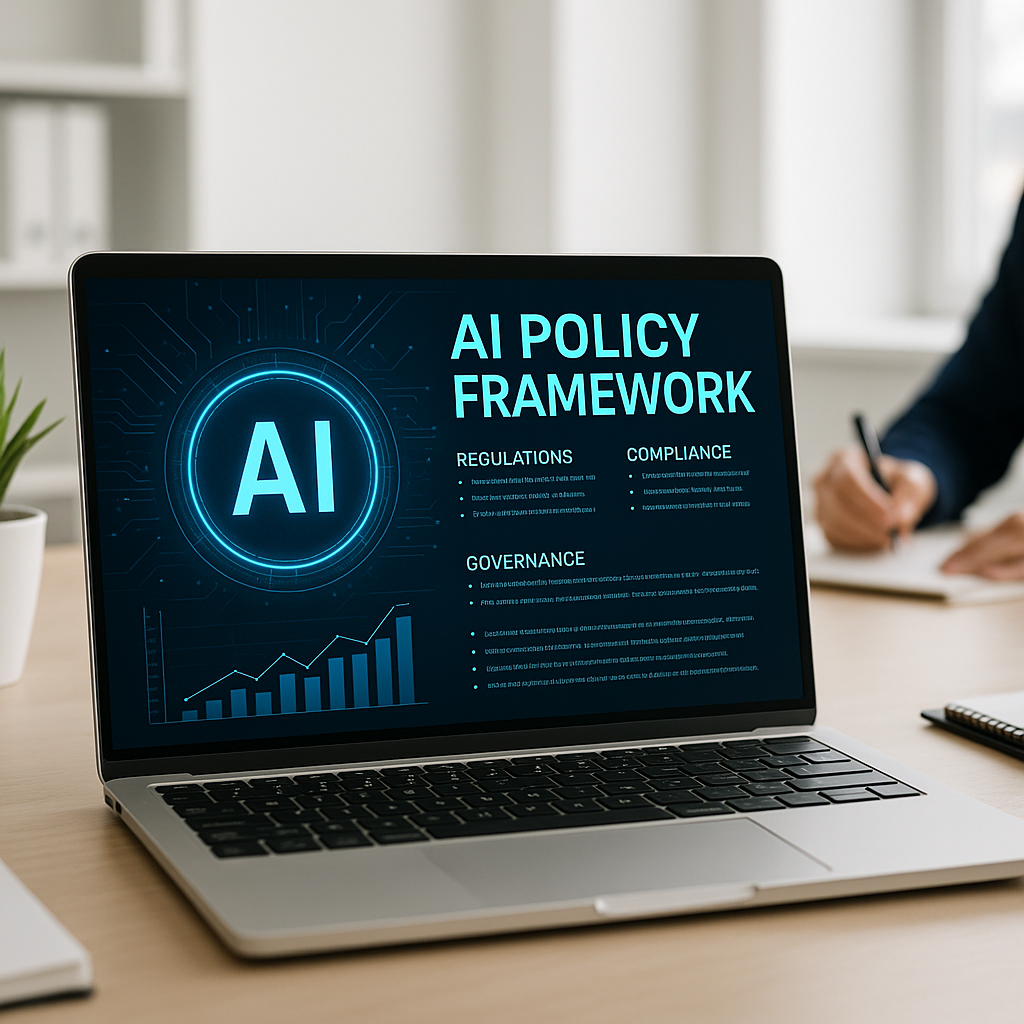
# Understanding the New AI Policy Framework: What It Means for Businesses and Innovation
In an increasingly digital world, the push for robust artificial intelligence (AI) regulation is ramping up. Recently, the White House announced a new AI policy framework aimed at creating federal laws that would supersede state regulations. This framework is pivotal as it seeks to establish a unified approach to AI governance across the United States, addressing critical areas such as child privacy, workforce impact, and the environmental concerns surrounding AI infrastructure. But what does this mean for you as a business decision-maker or entrepreneur? Let’s delve deeper into the implications of this framework and how it could affect various industries and your business strategies.
## The Heart of the Framework: Why Uniformity in Regulation Matters
The White House has emphasized that a patchwork of conflicting state laws can stifle innovation and weaken America’s standing in the global AI race. By advocating for a single federal framework, the goal is to create a cohesive environment that not only supports AI development but ensures companies can operate without the uncertainty created by varying state regulations.
As a business owner, imagine trying to deploy a cutting-edge AI solution but finding yourself bogged down by different compliance requirements in each state. A federal law would streamline this process, making it easier for businesses to innovate and compete. This is particularly significant for sectors like e-commerce, healthcare, and technology, which increasingly rely on AI solutions to optimize workflows and improve customer experiences.
## Child Privacy: Balancing Innovation and Protection
The framework puts a spotlight on child privacy protections, calling for companies to implement tools that limit the data collection and usage for AI training, especially when it concerns children. This reflects a growing concern for ethical AI practices and the need to protect the most vulnerable in our society.
For a business like a children’s online educational platform, adhering to these guidelines could mean not only compliance but also enhancing your brand’s trustworthiness. Consumer willingness to engage with businesses that prioritize privacy can significantly impact revenue. By investing in sound practices that protect children’s data, businesses can differentiate themselves and attract a more conscientious customer base.
## Environmental Considerations: The Cost of Innovation
Another critical aspect of the policy framework is the focus on the energy consumption and environmental implications of AI infrastructure. As AI technologies often require significant computational power, data centers consume large amounts of energy. The framework recommends that regulations limit how these costs are passed onto electricity consumers while advocating for streamlined construction permits for AI infrastructure.
For businesses operating large data centers—such as cloud service providers and tech startups—this could alleviate some cost burdens related to energy prices and encourage a shift towards more sustainable practices. By integrating renewable energy solutions and optimizing energy use, businesses not only comply with evolving regulations but also resonate with environmentally conscious consumers.
## AI Development and Content Responsibility
One of the more controversial aspects of the new framework pertains to content moderation. While it advises against governmental coercion of technology providers to ban or alter content based on political agendas, it proposes that AI companies should not be held liable for improper use of their products by third parties.
Imagine running a platform that supports user-generated content: you want to foster creativity without being undermined by excessive regulation. This framework’s stance could allow more freedoms for AI innovations while ensuring that companies can disassociate from responsibly moderated third-party uses. However, the challenges of balancing corporate interests and public safety remain, making it essential for businesses to remain proactive in implementing ethical standards and practices.
## Navigating the Regulatory Landscape
The intricate dance between federal and state law has led to complexities that directly affect how AI operates in business settings. States have attempted to enact their own regulations to protect their populations, and the federal framework aims to avoid potentially conflicting legislation.
This means that businesses must stay agile, continuously evaluating both state and federal requirements. Implementing compliance strategies that adhere to both levels of regulations—such as by utilizing advanced data management systems and collaborating with experts—can put your business ahead of the curve. Proactive engagement with both regulators and industry leaders can help in navigating this evolving landscape.
## Conclusion: The Future of AI Regulation is Here
As the White House’s AI framework seeks to establish a cohesive regulatory environment, it is clear that the implications of these laws will affect how businesses approach technology, privacy, and ethics. While there may be challenges ahead in balancing innovation with responsible practices, the potential benefits of a unified regulation framework can pave the way for groundbreaking developments across various industries.
At Best Choice, we’re here to help you navigate these complexities. Whether you’re looking to implement AI solutions, enhance your compliance strategies, or explore ethical data management practices, reach out to us. Together, we can position your business for success in this rapidly changing landscape. Let’s embark on this journey into the future of AI together!