## Understanding the Impact of AI on Our Cognitive Abilities
As artificial intelligence (AI) increasingly becomes part of our daily lives and work, understanding its effects on our brains is crucial. A recent study conducted by a team of researchers from the US and UK unveiled troubling insights, highlighting how AI may actually hinder our cognitive skills, creativity, and endurance. Titled “AI Assistance Reduces Persistence and Hurts Independent Performance,” the study investigates the potential cognitive costs associated with relying too heavily on AI tools, specifically in contexts that demand reasoning-intensive tasks such as writing, coding, and brainstorming.
This topic resonates deeply with us at Best Choice, especially as we build and implement customized solutions that often integrate AI into various business processes. The findings from this study raise the stakes for business decision-makers and entrepreneurs, urging a cautious approach to AI tools in the workplace. Let’s take a closer look at the study’s findings and explore practical actions you can take to harness AI’s benefits while mitigating its drawbacks.
### The Study’s Findings
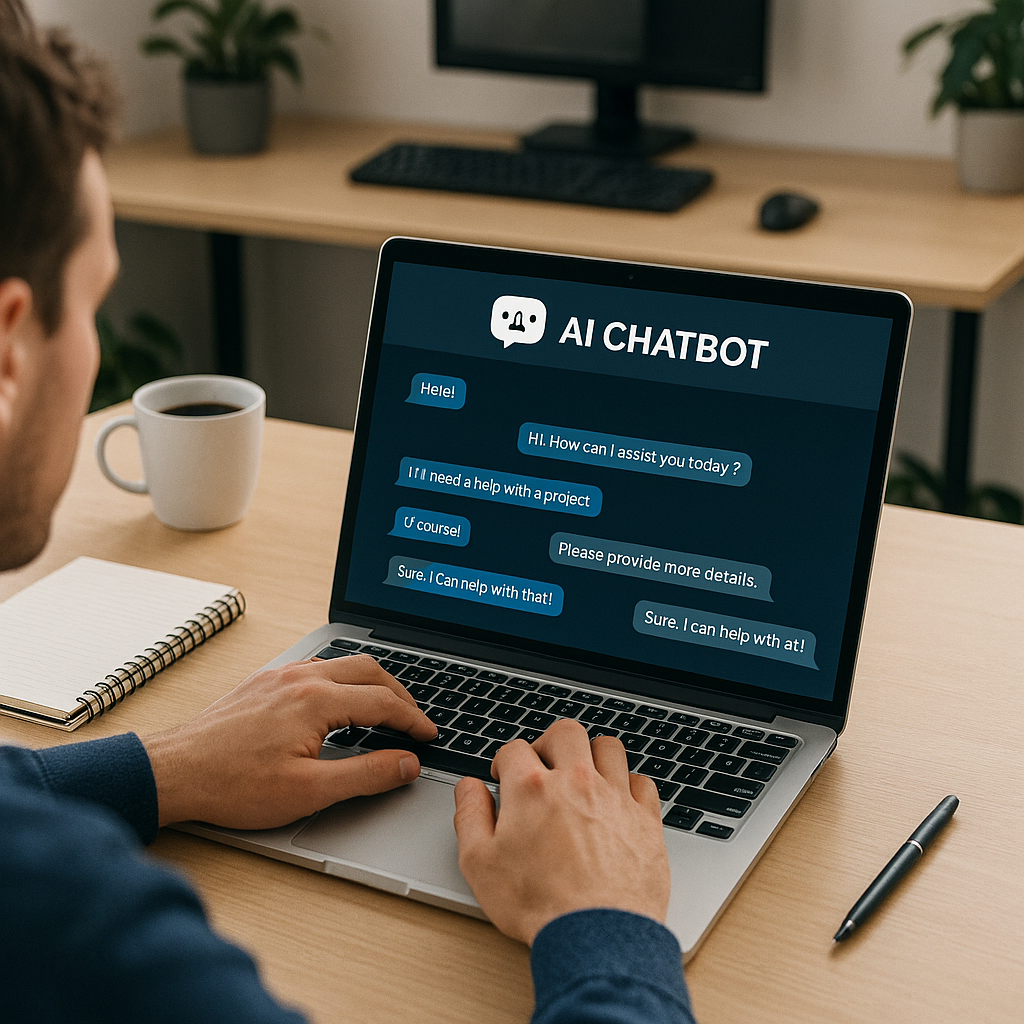
The researchers observed 350 American participants tasked with solving fraction-based equations. Half of them were granted access to an advanced AI chatbot based on OpenAI’s GPT-5, while the other half completed the task without assistance. The results were striking—participants who used the AI performed well initially but experienced a marked decline in both accuracy and tenacity once access to the AI tool was removed. The trend persisted in a larger follow-up study with 670 individuals, further underscoring these concerning implications.
Participants in the AI group exhibited not just a drop in correct answers after their AI support was cut off, but also a significant decline in motivation to attempt the problems independently. This phenomenon, explained as a loss of “persistence,” echoes similar results from studies demonstrating how reliance on AI might undermine our innate problem-solving and creative capabilities.
### The “Boiling Frog” Effect
The study delineates a worrying analogy: the “boiling frog” effect. In this framework, continuous reliance on AI can gradually erode our motivation and persistence, akin to a frog that fails to recognize its gradual boil in water. The implication for educators, employers, and individuals alike is staggering—over time, this erosion may stifle human innovation and creativity, hindering our potential to thrive in increasingly complex environments.
### Navigating AI’s Double-Edged Sword
While the research presents a sobering perspective, we must recognize the nuances it entails. The study did find that participants who interacted with AI for hints and clarification fared better than those who relied entirely on it for answers. This highlights an important distinction: the manner in which we engage with AI can significantly influence its effects on our cognitive range.
As business decision-makers, it’s essential to adopt a balanced approach. Here are some actionable insights for leveraging AI within your organization without compromising cognitive integrity:
1. **Use AI as a Support Tool**: Incorporate AI where it provides assistance, thus enhancing your team’s capabilities rather than substituting them. For example, while developing content for your clinic’s website, use AI to generate ideas, yet rely on your team’s expertise to craft the final product.
2. **Encourage Collaboration**: Promote teamwork, where individuals utilize AI collectively to inspire innovative solutions. This can develop critical thinking as team members challenge and refine ideas together instead of passively receiving automated suggestions.
3. **Limit Dependency**: Design workflows that slowly integrate AI over time, allowing your team to build their skills and confidence before relying heavily on technology. Small, incremental trials can provide valuable insights into maintaining performance without over-dependence on AI.
4. **Educate on AI Engagement**: Provide training on effective ways to interact with AI tools, emphasizing how to ask the right questions and engage critically to derive value without losing cognitive acuity.
5. **Monitor AI Usage**: Regularly evaluate how AI affects your team’s performance and well-being. If certain trends emerge—such as drops in motivation or creativity—use this feedback to pivot your approach.
### Real-World Applications
Consider a local café that decides to implement an AI-based inventory management system. With the right approach, they could automate reordering supplies, saving time and reducing waste. However, the café staff must still be trained to understand inventory needs and preferences—an approach that strengthens their operational skills while leveraging technology.
In a warehouse context, automating logistics through AI can significantly boost efficiency. Yet, staff members should be encouraged to maintain hands-on experience with the equipment to ensure they’re not entirely reliant on AI-driven predictions.
In the realm of online stores, an AI-driven chatbot can enhance customer service by answering inquiries, leading to increased sales. However, training your team to engage with customers meaningfully remains paramount to building real connections and trust.
### Conclusion
As we tread into a future increasingly populated by AI technologies, understanding the cognitive implications of their usage comes to the forefront. The recent findings reinforce the need for a strategic approach in integrating AI into our work processes. At Best Choice, we’re dedicated to helping businesses navigate these complex waters, ensuring that your reliance on AI enhances rather than diminishes your team’s capabilities.
If you’re looking to incorporate AI solutions thoughtfully while maintaining your team’s cognitive edge, we invite you to reach out to us. Together, we can foster an environment where technology and human intellect coexist, boosting innovation and creativity for your business.