Are Smart Bulbs More Expensive to Run than Standard LEDs?
As we move towards a more connected world, smart lighting solutions like smart bulbs are becoming increasingly popular. Many entrepreneurs and business leaders are considering whether these high-tech bulbs are worth the investment compared to standard energy-efficient LED bulbs. The question on many minds is: do the benefits of features like dimming and scheduling outweigh the constant energy draw required for connectivity? At Best Choice, we believe it’s crucial to analyze not just the costs but also the potential gains from implementing smart lighting solutions in your business.
In this article, we will dive into the operational costs of smart bulbs versus standard LEDs, examine their features, and explore potential real-world applications for various business types. Let’s uncover whether investing in smart lighting can truly illuminate the path to efficiency and cost savings.
Understanding the Cost of Smart Bulbs
When considering smart bulbs, it’s essential to evaluate both the purchase price and the ongoing operating costs. Smart bulbs tend to cost more upfront than standard LEDs due to their advanced technology and features such as Wi-Fi connectivity, mobile app control, and energy monitoring capabilities. However, the energy consumption of a smart bulb can also be slightly higher than that of a standard LED, all due to the small amount of power they draw for communication and connectivity.
Operational Energy Draw of Smart Bulbs
While standard LED bulbs consume around 8-12 watts, smart bulbs may consume an additional 0.5 to 1 watt for connectivity. This energy draw is relatively small, yet when multiplied across an entire business – let’s say a café with 20 smart bulbs – this can translate to an additional 10-20 watts per hour. Over time, this extra energy usage can add up, impacting your overall electricity bill.
Scheduling and Dimming: The Value Proposition
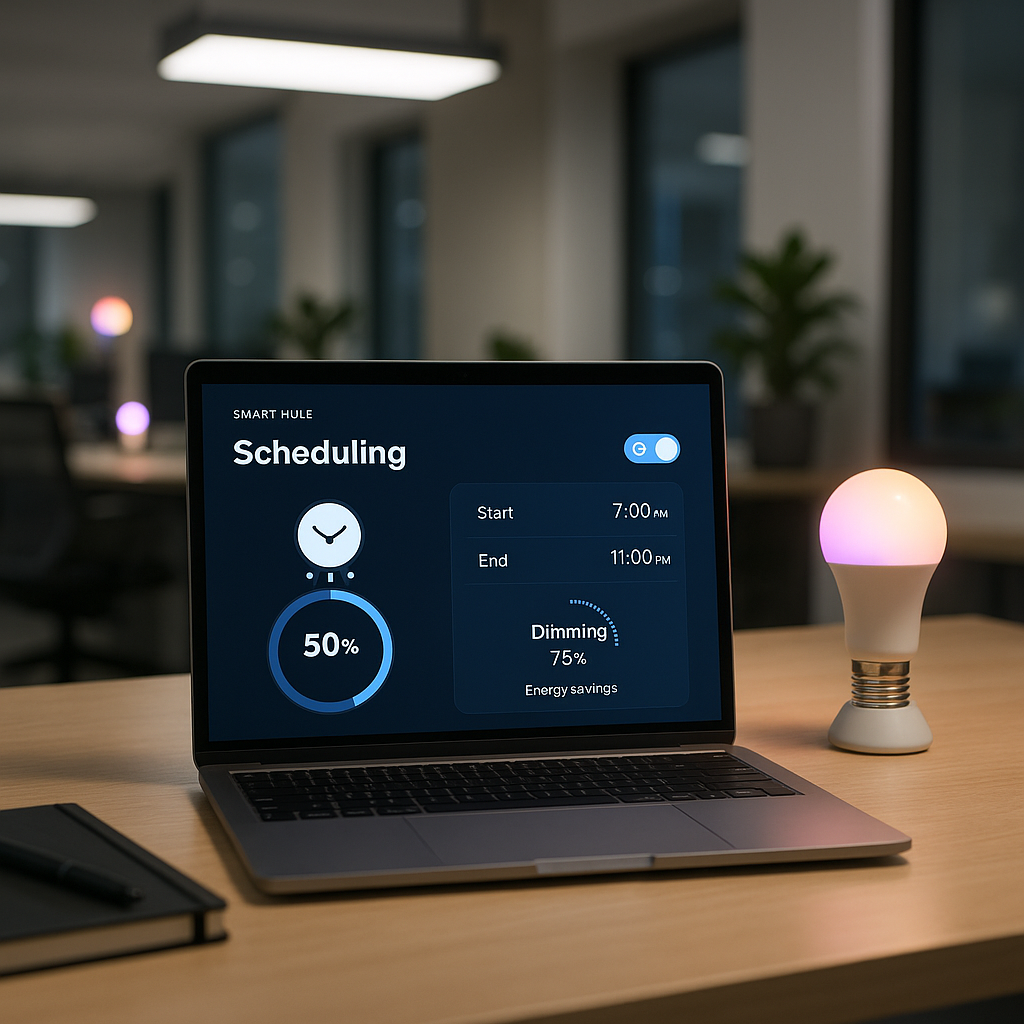
However, the potential benefits of smart bulbs can exceed their costs. Features like dimming and scheduling allow you greater control over your lighting environment. For instance, in a restaurant, you can automatically adjust the brightness for different times of day, creating the perfect ambiance while saving energy during non-peak hours. This not only enhances customer experience but also contributes to energy savings, making your investment in smart bulbs a net positive.
Real-World Case Studies: Who Benefits?
Many businesses in Denmark and across Europe have seen tangible benefits from adopting smart lighting solutions. For example, a local clinic integrated smart bulbs into their waiting rooms and consultation areas. By scheduling the lighting to match patient flow and adjusting brightness based on the time of day, they reduced their energy costs by 15%. Furthermore, the flexible lighting improved patient comfort, making their visits more pleasant than ever.
Similarly, an online store leveraging smart lighting for their warehouse found that by implementing dimmer settings during non-working hours and brightening when staff arrived, they maintained optimal conditions while minimizing energy usage. The result? A notable reduction in the electricity bill, enhancing their profit margins over time.
Improving Workflows with Automation
The automation of lighting systems through smart bulbs not only allows for cost savings but also improves operational workflows. By integrating smart lighting with a booking system or a retail management platform, you can ensure that lights are only running when needed. For instance, using a smart lighting system in a warehouse, combined with inventory management, can help ensure that specific sections are lit only when workers are present, thereby optimizing energy usage.
Making Smart Lighting Work for You
If you are considering making the switch to smart lighting, here are some actionable tips to keep in mind:
- Analyze Your Lighting Needs: Assess which areas of your business could benefit the most from smart lighting solutions.
- Consider Integration: Think about how smart lighting can be integrated with other systems, like security or inventory management.
- Start Small: If you’re hesitant, consider implementing smart bulbs in a few key areas first to assess their impact before rolling out across your entire business.
- Seek Expert Guidance: Partnering with an IT consultant—like those at Best Choice—can help you tailor a plan that fits your specific needs and challenges.
Conclusion: Smart Investments for Bright Futures
Ultimately, the decision between smart bulbs and standard LEDs should be based on your specific business requirements and goals. While smart bulbs may have a higher initial cost and operational energy draw, their advanced features can lead to significant savings and improved efficiency over time.
At Best Choice, we specialize in helping businesses identify and implement lighting solutions that align with their operational strategy. Whether you’re interested in upgrading your current systems or exploring new technologies, we’re here to guide you every step of the way. Contact us today to illuminate the future of your business!