# Strengthening AI Safety Laws: Insights from OpenAI
As technology evolves, so do the risks and challenges associated with its use. One of the most significant advancements we’ve seen in recent years is in artificial intelligence (AI). This transformative technology can enhance productivity, drive innovation, and create value across various sectors. However, with great power comes great responsibility, and regulatory frameworks are struggling to keep pace with the rapid development of AI systems.
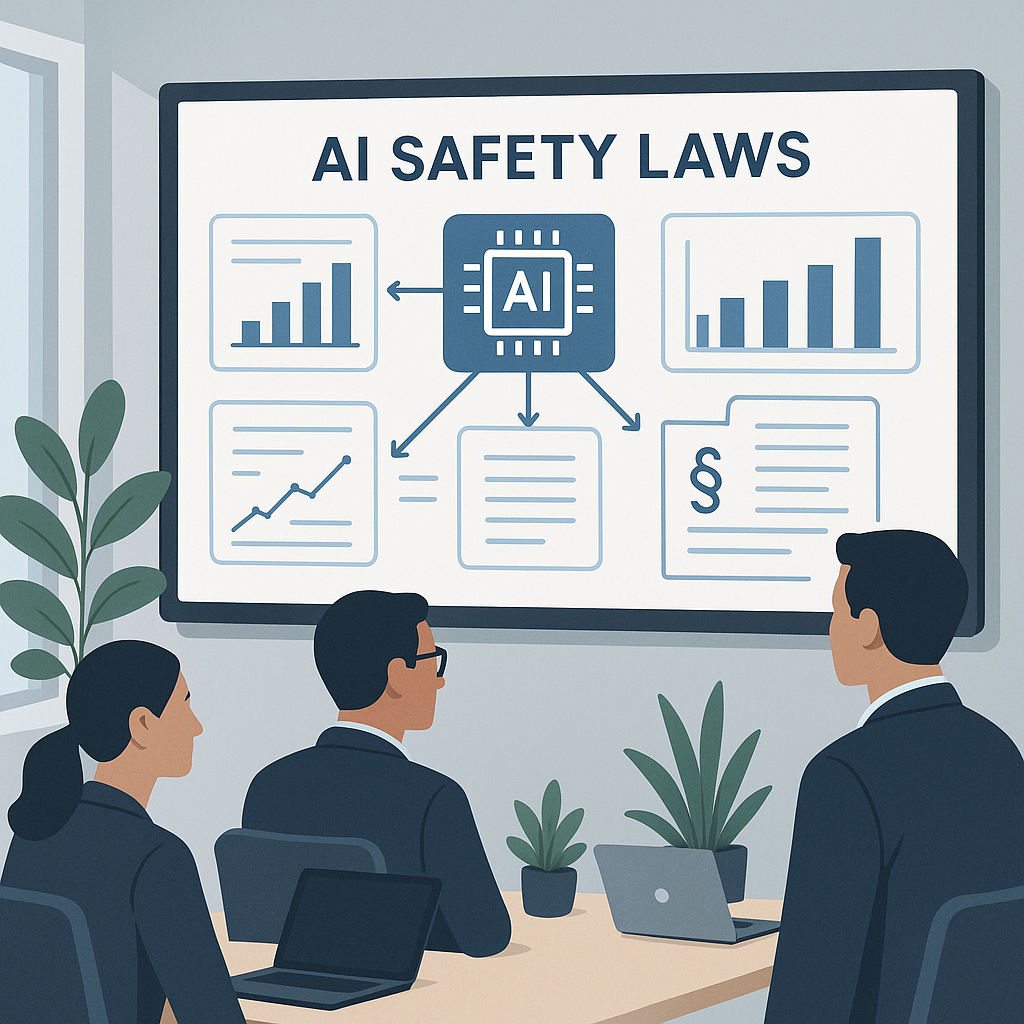
Recently, OpenAI has called on California lawmakers to strengthen the state’s AI safety laws, particularly emphasizing the need for amendments to the SB 53 framework to expand safeguards for users and the public. As leaders in providing IT consulting and automation services at Best Choice, we recognize the importance of safety and governance in AI implementation, not just from a compliance perspective but for the overall well-being of businesses and their customers.
## The Current State of AI Regulations
California has been at the forefront of technological innovation, but its regulatory framework, like that of many locations worldwide, is still developing. SB 53 is one of the frameworks aiming to ensure responsible AI deployment. It is critical to analyze its effectiveness and identify gaps where enhancements are necessary.
### Why Are Strong AI Regulations Important?
1. **User Protection**: Without robust regulations, users can face risks such as data privacy breaches or biased algorithms that lead to unfair decision-making in hiring, lending, and other areas.
2. **Ethical Standards**: Establishing clear guidelines helps organizations use AI responsibly, ensuring that ethical considerations are accounted for in tech development.
3. **Public Trust**: Better regulations can foster public trust in AI technologies. When users feel secure, they’re more likely to adopt AI solutions, boosting innovation and economic growth.
## How Can Custom-Built Solutions Help?
At Best Choice, we specialize in creating tailored IT solutions that not only meet our clients’ immediate needs but also align with regulatory compliance and industry standards. Here are some ways our custom-built solutions address AI safety regulations:
### 1. **Assessing and Mitigating Risks**
By implementing AI risk assessment tools, we can help businesses identify potential security vulnerabilities or ethical pitfalls in their AI applications. For instance, if you’re running an online store, our solutions can analyze customer data usage to prevent unauthorized access or sensitive data exposure.
### 2. **Transparent Algorithms**
Developing transparent algorithms is critical in the age of AI. We design systems that allow businesses to understand how AI makes decisions, which can enhance compliance with emerging regulatory standards. In a healthcare context, for example, transparency in diagnostic AI tools can reassure patients about the decision-making process involved in their care.
### 3. **Automating Compliance Tracking**
Keeping track of regulatory obligations can be time-consuming for any business. Our automated compliance tracking solutions enable organizations such as clinics or booking services to stay aligned with state and federal regulations, minimizing the risk of penalties.
### 4. **Data Ethics and Privacy**
Our team emphasizes adherence to data ethics and privacy laws by designing solutions that prioritize user consent and process data responsibly. For example, a cafe using our customer management system can rely on secure data handling practices, ensuring that customer information is protected while still providing personalized service.
### 5. **Scalable Architecture**
The scalability of AI systems is essential to accommodate growing data needs without compromising safety. We focus on building custom systems that are both scalable and resilient, allowing businesses to effectively plan for future expansion without sacrificing compliance or security.
### 6. **Integration of Open-Source Safeguards**
While we create custom solutions, we also acknowledge the power of popular open-source tools used in Denmark and across Europe that can be integrated into our systems. These tools often come with built-in safeguards and community-driven updates that can bolster compliance efforts.
## Conclusion
As OpenAI’s call for strengthened AI safety laws highlights, the responsibility for ensuring safe AI implementation rests on both regulators and businesses. At Best Choice, we understand the critical role that tailored solutions play in navigating these challenges. Our custom-built IT solutions not only mitigate risks but also comply with existing and emerging regulations, ultimately creating safer environments for businesses and their customers.
Are you a business decision-maker or entrepreneur looking to enhance your AI strategies while ensuring compliance? Contact us at [Best Choice](http://web.best-choice.dk), and let’s work together to build a secure and effective AI framework for your business.