# FTC Subpoenas OpenAI and Anthropic: What It Means for the AI Landscape
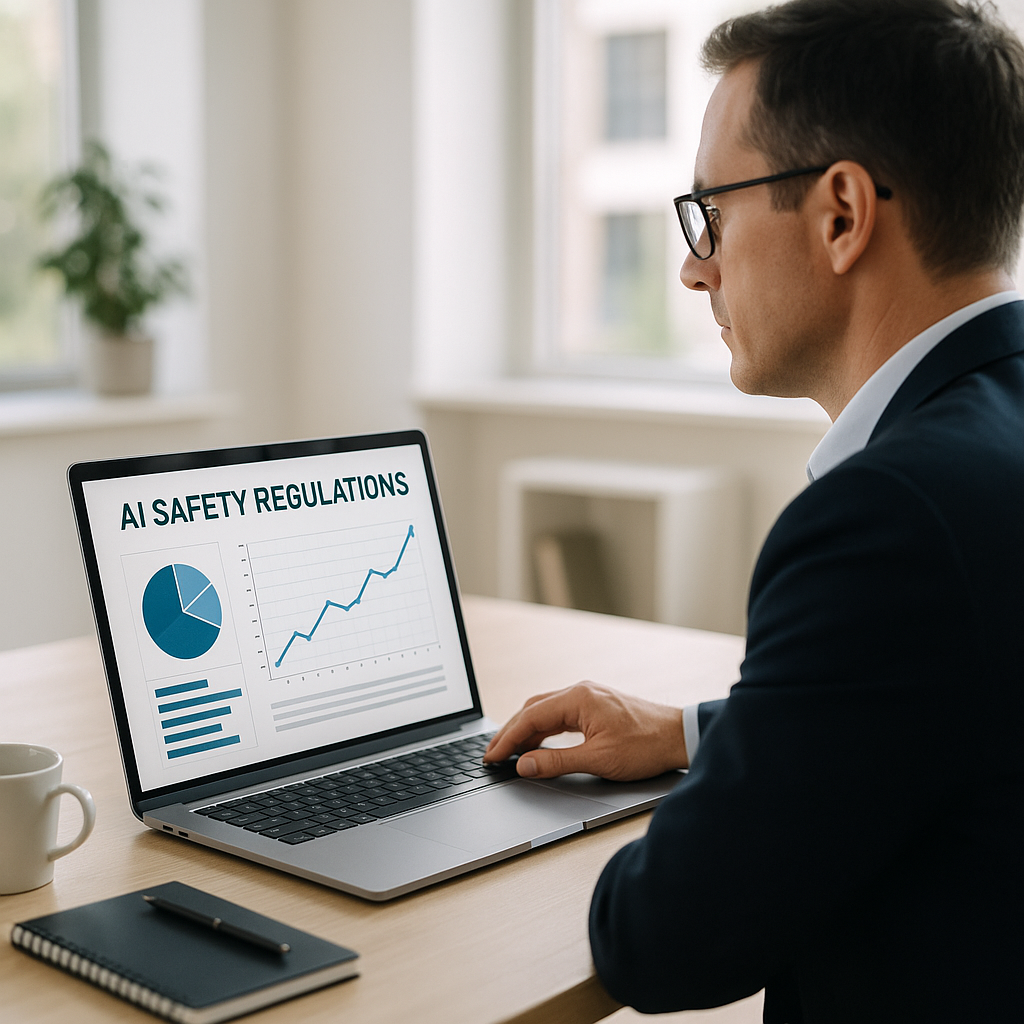
Navigating the ever-evolving world of artificial intelligence (AI) can be both exciting and daunting, especially for business decision-makers and entrepreneurs. Today, the news of the Federal Trade Commission (FTC) subpoenaing major AI firms OpenAI and Anthropic concerning safety concerns has sent ripples across the tech community. As we stand on the precipice of AI-driven innovations, understanding the implications of this investigation is crucial for anyone looking to integrate AI into their business strategies.
The FTC’s investigation highlights a significant turning point in the AI industry, calling attention to consumer safety and ethical considerations. With AI rapidly becoming ingrained in various business operations—from chatbots and customer service to data analysis and marketing—it’s essential to be aware of the potential pitfalls and seek solutions that protect your interests and those of your customers.
## Understanding the FTC’s Concerns
The FTC is primarily focused on identifying potential consumer harms that could arise from the deployment of AI technologies. As we delve into this subject, it’s important to recognize that the effectiveness of AI tools relies heavily on their design and implementation, which can sometimes neglect safety protocols.
When AI models are developed without robust oversight, there’s an increased risk of generating misleading information, invading privacy, or producing biases that affect consumer interactions. This investigation serves as a wake-up call, urging businesses to critically evaluate the AI solutions they consider using.
### The Necessity of Custom-Built Solutions
At Best Choice, we believe in a proactive approach to AI by offering custom-built solutions that prioritize safety and efficiency. Custom solutions are tailored specifically to your business’s unique needs, allowing for seamless integration into your existing systems. With a focus on operational excellence, we can help design AI applications that mitigate risks associated with generic, off-the-shelf products.
For example, imagine a **medical clinic** looking to implement an AI-driven appointment scheduling system. Instead of using a one-size-fits-all approach, we can create a tailored solution that considers patient privacy laws, streamlines communication with clients, and ensures a user-friendly experience. This customized approach not only enhances safety but also optimizes workflows—saving time and improving patient satisfaction.
### Popular Open-Source Solutions and Their Limitations
While custom-built solutions are effective, many businesses in Denmark and across Europe might consider popular open-source AI frameworks, like TensorFlow and PyTorch, as a starting point. These tools are widely recognized for their flexibility and functionality; however, it’s vital to acknowledge that they may not always meet specific business requirements out of the box.
Open-source solutions can serve as an excellent foundation for developing AI applications, but they also require considerable expertise to ensure that they operate safely and efficiently. For instance, companies using these tools must remain vigilant against potential security vulnerabilities and biases that can compromise consumer safety.
### The Role of Integration in AI Safety
If you’re considering leveraging third-party AI platforms, the team at Best Choice is here to help you navigate the complexity of integration. Integrating various tools into a cohesive system is essential for optimizing functionality while ensuring user safety.
A **warehouse management system**, for example, can benefit from AI-driven analytics that monitor inventory levels in real time. By incorporating AI solutions that are seamlessly integrated with your existing software, we can create a streamlined process that reduces manual oversight and minimizes the risk of errors. Our expertise in integration allows businesses to make the most of their tools while still prioritizing consumer safety.
### Automating Routine Tasks for Increased Efficiency
One of the most significant advantages of implementing AI in business operations is the automation of repetitive tasks. By automating routine components—such as data entry, customer inquiries, and inventory tracking—businesses can save precious time and resources.
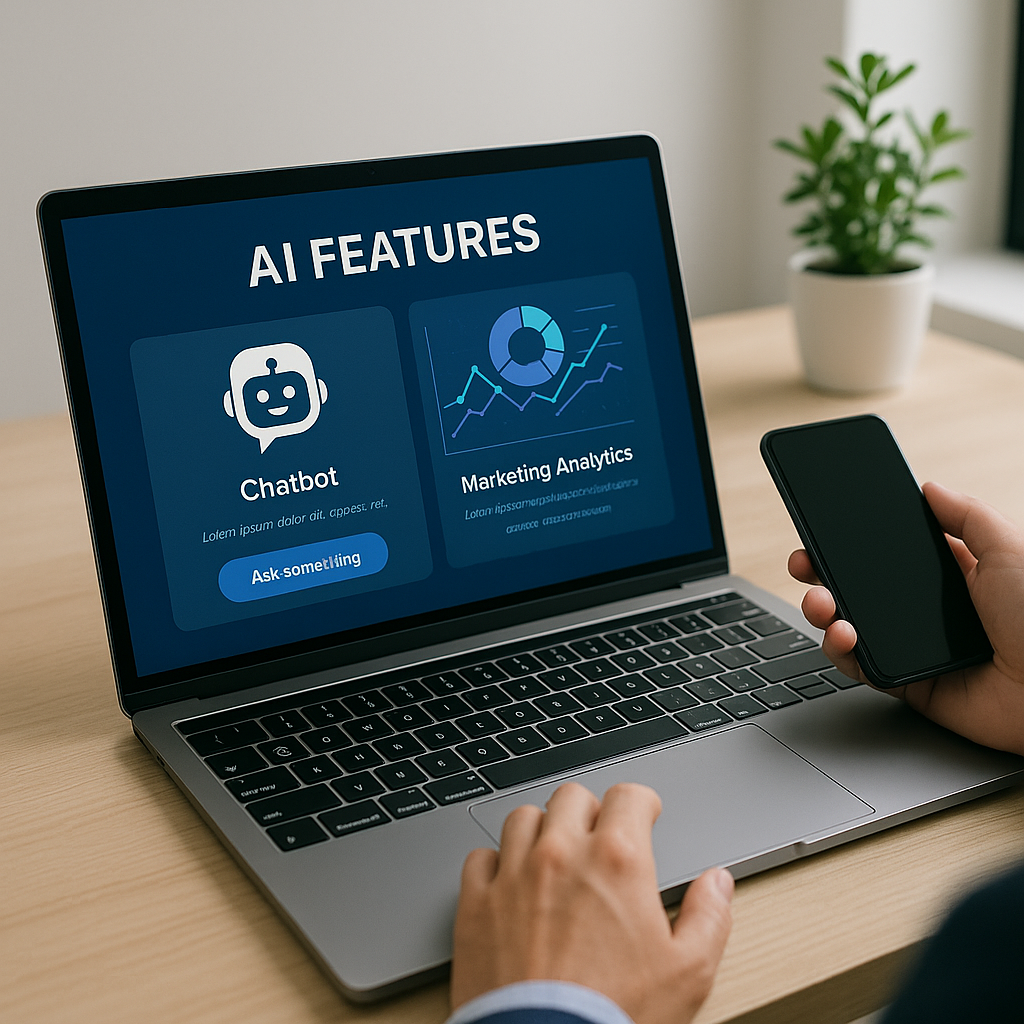
For instance, an **online store** can use AI-driven chatbots to handle customer inquiries, freeing up staff to focus on higher-value tasks. Such implementations not only enhance customer satisfaction but also improve revenue streams by allowing businesses to operate more efficiently.
### Actionable Insights for the Cautious Entrepreneur
As the landscape of AI evolves, following some actionable tips can help business leaders make informed decisions. Here are a few to consider:
– **Prioritize Customizability**: Whenever possible, opt for custom-built solutions tailored to your business needs to enhance safety and effectiveness.
– **Monitor Third-Party Tools**: If using open-source or third-party solutions, ensure they are regularly updated to maintain security and performance.
– **Conduct Safety Audits**: Regular evaluations of your AI applications can help identify performance gaps and potential risks, fostering a safe environment for your consumers.
– **Engage with Experts**: Partnering with an IT consulting firm like Best Choice can provide valuable insights and expertise that can elevate your AI strategies while keeping consumer safety in mind.
## Conclusion
The recent FTC subpoenas underline the importance of safety and ethical considerations in the rapidly advancing AI landscape. By focusing on custom-built solutions, prioritizing integration, and automating routine tasks, businesses can harness the power of AI while safeguarding consumers.
If you’re looking to navigate the complexities of AI implementation securely, I invite you to reach out to us at Best Choice. Together, we can build AI solutions that empower your business while prioritizing safety and ethics.