Binance Hack Claims: What Businesses Can Learn About Crypto Security
A headline claiming that Binance suffered a $6.3 billion hack would be alarming. But a short headline alone is not enough to confirm a major cyberattack: before sharing it or making decisions based on it, check for an official statement from Binance and corroboration from several reputable news sources. In cybersecurity, the difference between a confirmed incident, a rumour and a misleading report matters.
Whether or not a particular claim is accurate, the underlying risk is real. Businesses that handle payments, customer information or digital assets need clear safeguards and a plan for responding to incidents. At Best Choice, we help companies improve security by connecting their systems, automating routine checks and making it easier to act quickly when something looks wrong.
1. Verify the report before acting
When news of a possible breach spreads, panic can create additional risks. Customers may receive convincing phishing messages, employees might share unverified claims, and decision-makers may rush into changes without understanding what happened. Start by checking official company channels, trusted news organisations and relevant regulator announcements.
For your own business, establish who is authorised to confirm an incident and communicate with customers. A prepared response process should explain what information to verify, who approves public statements and how staff should report suspicious messages. This helps protect both your reputation and your customers.
2. Understand what a crypto hack can involve
A reported loss does not automatically reveal how an attack happened. Cryptocurrency can be stolen through compromised credentials, exposed private keys, vulnerable software, malicious code or social engineering. Sometimes a headline may also confuse an attempted attack, a service disruption or an investigation with confirmed losses.
For a business, the practical lesson is to identify valuable assets and the systems that protect them. These may include payment accounts, cloud storage, customer databases, administrator logins and API keys. Keep an inventory, assign clear owners and limit access to what each person genuinely needs.
3. Strengthen access and account security
Use multi-factor authentication for administrative accounts, email, financial services and cloud platforms. Prefer phishing-resistant methods where available, and never rely on a shared password for a team account. Remove access promptly when an employee or supplier no longer needs it, and review permissions regularly.
A cafe, for example, may rely on a payment terminal, online ordering and staff scheduling tools. If one employee account can access every system, a single stolen password could disrupt several parts of the business. We can help map these connections and set up practical access controls without making everyday work unnecessarily difficult.
4. Monitor systems and automate alerts
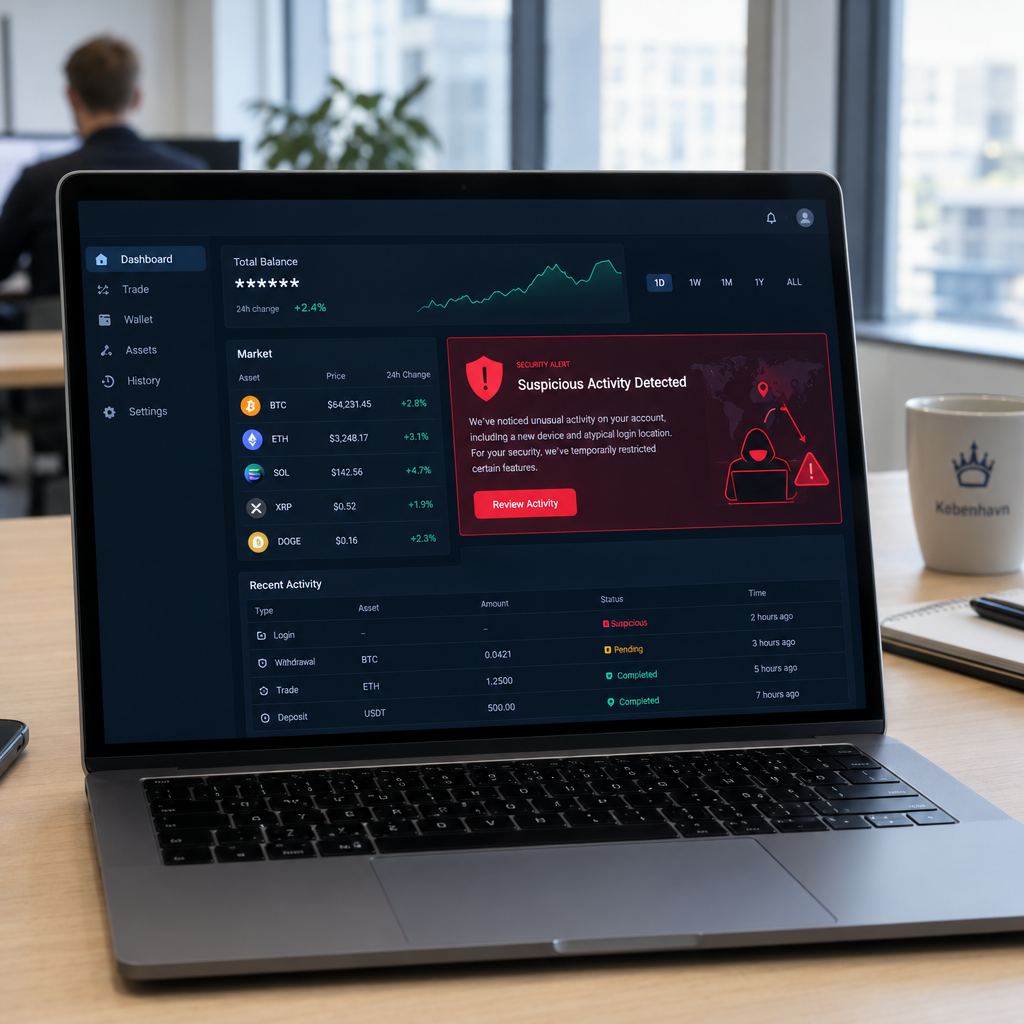
Early detection can reduce the damage caused by an intrusion. Businesses can monitor unusual logins, unexpected data exports, repeated failed attempts and changes to sensitive settings. Alerts should go to the right person and include enough context to support a quick response—not simply add more noise to an already busy inbox.
At Best Choice, we can build tailored monitoring and automation around your existing systems. For instance, a webshop could flag unusual administrator activity, while a warehouse could receive an alert if an integration suddenly changes order or inventory data. Open-source tools such as Wazuh and OpenSearch may also be suitable for security monitoring, depending on your needs and technical setup.
5. Prepare a response and recovery plan
Security is not only about preventing attacks. Decide in advance how to isolate affected systems, preserve evidence, restore from backups and contact customers or authorities when required. Test backups regularly: an untested backup may not contain the data you need or may be inaccessible during an emergency.
European businesses should also consider their legal and sector-specific obligations. GDPR may apply when personal data is affected, while requirements under frameworks such as NIS2 or DORA depend on the organisation and its role. Seek qualified legal or compliance advice to confirm what applies, and make sure your technical response process supports timely reporting.
6. Make security part of everyday operations
Security works best when it fits how people actually work. A small clinic needs to protect appointment and patient information while keeping access available to authorised staff. An online store needs dependable payment, order and customer-data workflows. In both cases, clear procedures, appropriate access and regular updates are more effective than a policy nobody follows.
Review your risks whenever you add a new app, supplier or integration. Keep software updated, train staff to recognise phishing, and document how important systems connect. We can assess your processes and improve them with custom integrations, automated checks and secure cloud or database solutions tailored to your business.
Build a more resilient business
A dramatic crypto-hack headline is a reminder to verify information and take digital security seriously—but it should not be treated as proof without reliable confirmation. Every business can benefit from knowing what it must protect, who can access it and how it will recover if something goes wrong.
If you want to strengthen your cybersecurity, automate monitoring or connect your business systems more safely, contact Best Choice. We’ll help you find practical improvements that support your team, protect your data and keep your operations moving.