Alaska Takes Aim at AI-Generated CSAM and Social Media Restrictions for Minors
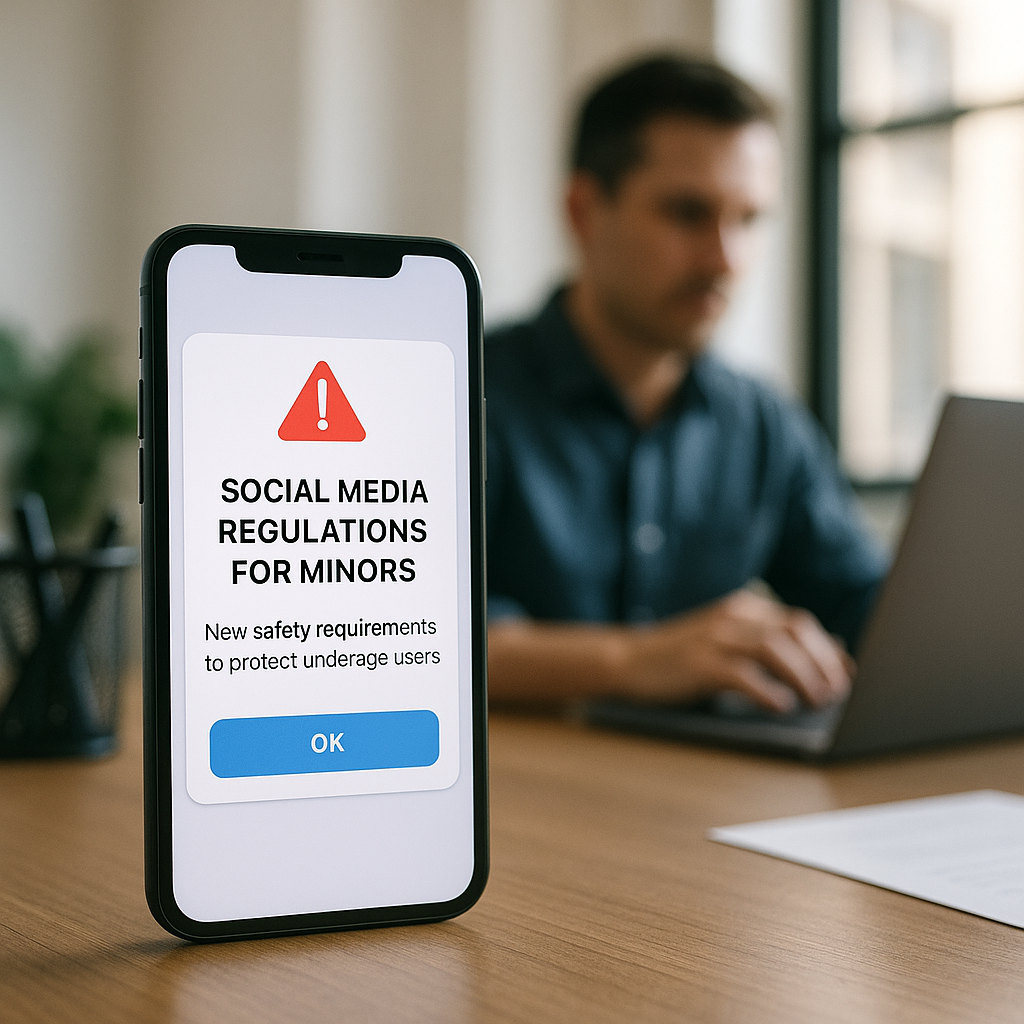
In this digital age, the protection of our children online has become a pressing concern. Recently, Alaska’s House of Representatives made headlines by passing HB47, a bill that proposes significant restrictions on minors’ use of social media and aims to combat the growing issue of child sexual abuse material (CSAM) generated by artificial intelligence. But why does this matter so much? As the internet evolves, so too does the need for safeguards that protect the younger population from the darker sides of digital interaction.
The passage of this bill is crucial not only for the safety of children in Alaska but also as a bellwether for similar initiatives across the country. The momentum behind HB47 reflects a growing recognition that technology and policy must intersect to create a safer online environment for the youngest members of our society.
The Core Provisions of HB47
HB47 goes far beyond merely addressing the generation and distribution of harmful AI-created content. Its comprehensive approach includes:
- Curfews for Social Media Use: The bill proposes a statewide curfew that restricts minors from accessing social media platforms between 10:30 PM and 6:30 AM. This bold measure aims to alleviate nighttime browsing and mitigate potential harm during late hours.
- Banning Addictive Design Features: The bill encompasses an outright ban on “addictive design features,” prompting platforms to reevaluate their user engagement strategies to prioritize safer experiences for kids.
- Age Verification and Parental Consent: Social media platforms will be required to verify user ages and obtain parental consent for accounts belonging to minors, ensuring parents can take an active role in their children’s online interactions.
Learning from Other States
Alaska isn’t alone in its endeavor to tackle these issues—many states are following a similar path. The social media amendments in HB47 take cues from Utah, which was the first to implement such measures. However, the Utah law faced a legal challenge that resulted in a preliminary injunction, illustrating the complexities of enacting tech regulations. Alaska’s cautious approach, involving public discussion and seeking insights from social media companies, is a step in the right direction, fostering cooperation rather than conflict.
The Potential Impact of HB47
Enacting regulations like those outlined in HB47 could have a significant positive impact on the daily lives of minors in Alaska. For example:
- A local cafe that hosts events for teenagers may find that limiting nighttime social media access fosters in-person interaction and strengthens community ties.
- A warehouse focusing on logistics for online purchases can benefit by reducing the distractions caused by late-night browsing, allowing younger employees to focus more on their job responsibilities.
- Online stores that cater to a youth demographic might see shifts in buying patterns as social media usage is restricted at night, prompting businesses to adjust their marketing strategies accordingly.
Addressing Concerns and Resistance
Despite its apparent popularity—passing in the House with unanimous support—HB47 has not escaped scrutiny. Some representatives voiced concerns over imposing broad social media regulations without prior discussions with tech giants. This aspect raises an important question: How can policymakers craft effective laws while maintaining open dialogue with technology providers? The future of such regulations may hinge on collaboration rather than unilateral decision-making.
What Comes Next?
As HB47 heads to the Alaska Senate for further evaluation, it symbolizes a larger movement toward comprehensive digital safety laws aimed at protecting children. The outcome of this bill may influence similar legislative efforts across the United States and beyond.
As a business decision-maker or entrepreneur, it’s essential to stay ahead of regulatory changes that could impact your operations. Understanding how these restrictions could shape user engagement on social media and other platforms is crucial for navigating your business strategy effectively.
Concluding Thoughts
The passage of HB47 represents a significant move toward protecting minors online while addressing the urgent issue of AI-generated CSAM. The dialogue surrounding these policies suggests an evolving landscape where tech regulations are key to fostering safer environments for our younger users. For businesses, this not only means adapting strategies to comply with new laws but also taking a proactive approach in contributing to the digital safety conversation.
If you wish to learn more about how to navigate these changes for your business or need assistance with compliance and adaptation, don’t hesitate to contact Best Choice. We’re here to help you build a safer and more efficient digital landscape for your enterprise.