You Can (Sort Of) Block Grok from Editing Your Uploaded Photos
The recent developments surrounding xAI’s Grok chatbot on the social network X have opened a necessary dialogue about user autonomy and safety in the evolving landscape of generative AI. As a business decision-maker, it’s essential to stay informed about these technology trends, especially as they comb through issues surrounding consent and image usage, particularly in Denmark and broader Europe. With the introduction of a new feature that allows users to block Grok from modifying their uploaded images, we aim to discuss the implications of this development and how it reflects the changing dynamics of content generation and ethical standards in technology.
Grok has been in the spotlight for all the wrong reasons lately, following controversies related to its image-generation capabilities. On the surface, the option to block Grok from editing images appears to be a positive step towards giving users more control over their content. However, as we dive deeper into how it works and what it means for safety on the platform, we may uncover more nuances that impact user experience and enterprise utilization.
Understanding the New Block Feature
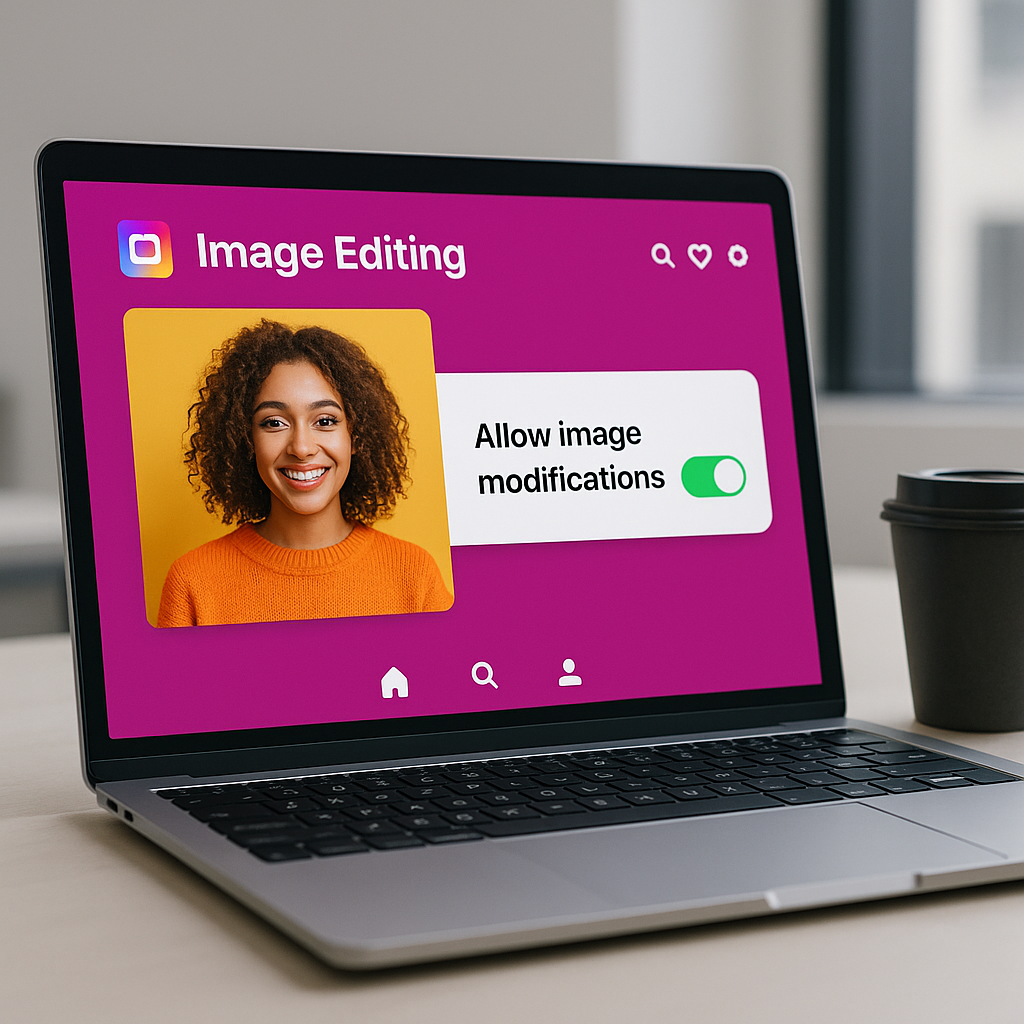
When users upload photos to X, they may notice a toggle option allowing them to prevent Grok from modifying their images. This function is straightforward and user-friendly, reflecting an effort from both X and xAI to respond to growing concerns about inappropriate content generation. But let’s take a closer look at how effective this feature really is.
How the Block Works in Practice
While users can easily enable this toggle, it’s important to understand what this block actually does. It effectively prevents Grok from tagging an image for modification. This means that if you upload a photo and activate this block, Grok won’t touch it in terms of generating edited versions. However, it’s not an all-encompassing solution.
Tech critics argue that this measure does not fundamentally address the underlying problems surrounding generative AI misuse. For businesses that depend on user-uploaded content, understanding these limitations is crucial for ensuring that brand reputation remains intact and underlines ethical practices. From cafes posting vibrant menu photos to online stores showcasing products, every image shared can either enhance or hinder business success.
Reactions to the New Feature
The community response to this recent addition has been mixed. On one hand, users appreciate that the toggle is not hidden in the user interface, making it accessible at first glance. On the other hand, it’s worrisome that this comes off as more of a token gesture than a serious attempt to curtail the misuse of Grok’s capabilities. Businesses must also be wary of the narrative as it impacts their engagement and ultimately, their bottom line.
Identifying Workarounds
Unfortunately, for those who are determined to exploit generative AI for illicit purposes, workarounds still exist. Critics point out that simply blocking Grok does not prevent individuals from using other methods to alter images without consent. This situation calls for businesses to pay closer attention to how their brand could be affected by unauthorized image manipulation and how they can educate their employees and customers on safeguarding their digital images.
Broader Implications for AI Regulations
The ongoing investigations by regulators in the EU serve as a stark reminder of the need for improved regulations concerning AI technologies. Denmark has made strides in promoting ethical technology practices, and it’s time for businesses to advocate for stricter guidelines that protect users from non-consensual content generation. Adopting proactive measures can position your business as a leader in ethical technology use within your industry.
Tools Beyond Grok
While the current limitations of Grok present challenges, businesses can take comfort in the fact that there are numerous third-party solutions that can mitigate risks associated with content usage. Collaborating with professionals who can set up and integrate these solutions into existing workflows, such as data monitoring systems or more stringent user agreements, can foster a safer online environment for your brand and users alike.
Conclusion
As we navigate this increasingly complex digital landscape, it’s crucial for us as business leaders to stay informed and proactive. The new feature allowing users to block Grok from editing their photos is a step in the right direction yet still lacks the robustness needed to ensure user safety and consent. At Best Choice, we are committed to helping businesses in Denmark and beyond adopt responsible technology practices while optimizing digital solutions. We encourage you to reach out if you have any questions or need assistance in navigating the evolving realm of AI and content-generated technologies.