# Uber Pulls the Plug on Waymo Rides in Phoenix: What This Means for the Future of Robotaxis
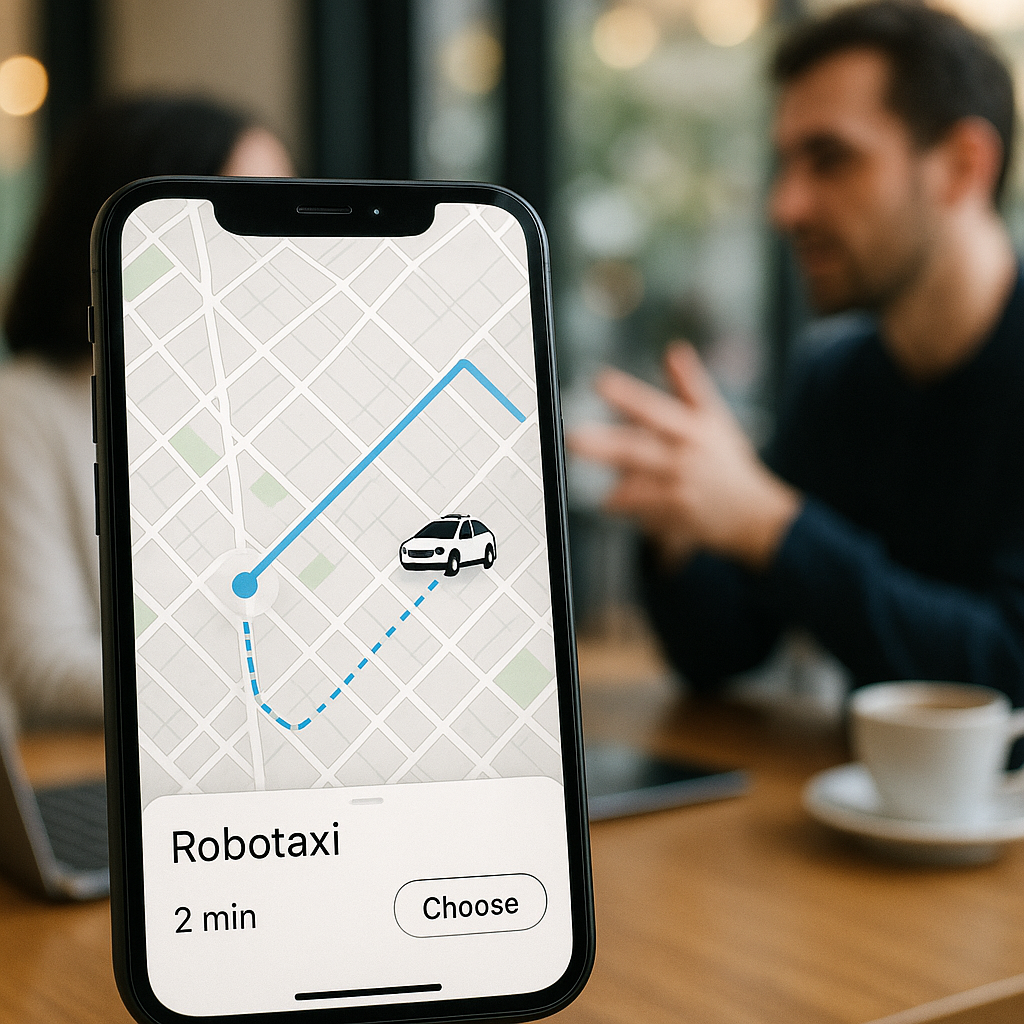
In an unexpected turn of events, Uber has decided to cease offering rides through Waymo in Phoenix. This significant shift points to a potential redirection of Uber’s strategy towards developing its own fleet of robotaxis. As business decision-makers or entrepreneurs in the technology space, it’s essential to unpack this news and analyze its implications for the future of automation, particularly in the transportation sector.
For us at Best Choice, this development raises critical questions about how businesses can harness the evolving landscape of automated services. While major enterprises like Uber explore new avenues, there are plenty of lessons to be learned about innovation, adaptability, and the power of custom-built solutions.
## What Led to This Shift?
Uber’s decision to stop its partnership with Waymo for ride-sharing in Phoenix indicates a pivot towards self-sufficiency in the often-complex world of autonomous vehicles. But why would a major company like Uber distance itself from such a significant player as Waymo? Several factors likely played a role:
1. **Control Over Technology**: By focusing on its own robotaxi program, Uber can maintain full control over the technology and its applications.
2. **Cost Efficiency**: Developing an in-house solution may prove more cost-effective in the long run than relying on third-party services.
3. **Market Demand**: There’s increasing consumer demand for personalization and enhancement of ridesharing experiences, which Uber may feel is best met with its proprietary technology.
## The Business Impact of Custom-Built Solutions
As you contemplate the implications of these changes in the transport sector, it’s worth considering the advantages of custom-built solutions in your own industry. Custom solutions can address unique business problems while offering greater flexibility compared to off-the-shelf software.
### 1. Tailored to Your Needs
With a custom-built solution, you can tailor features to align perfectly with your business goals. Whether you’re running a cafe looking to streamline order processing or a clinic seeking to enhance patient bookings, a solution designed specifically for your needs can save you time and resources.
### 2. Better Integration
By opting for a bespoke option, it becomes easier to integrate with existing systems. This is particularly relevant for businesses using multiple software platforms. A custom solution can bridge the gap, ensuring a smoother workflow between tools, thereby improving productivity.
### 3. Improved User Experience
Whether it’s an online store or a booking system, your user interface can be designed with your audience in mind. Unlike generic systems, tailored designs prioritize customer experience, often leading to higher client satisfaction and retention.
### 4. Scalability
As your business grows, so do your needs. Custom-built systems offer a scalability option that’s often not possible with standard software. This adaptability is vital for long-term growth, particularly in today’s fast-paced markets.
### 5. Enhanced Security
Data privacy and security are paramount for any modern business. Custom solutions can incorporate targeted security features that align with your specific industry requirements, keeping your data safe from breaches.
### 6. Automation of Routine Tasks
Many routine tasks can be automated with a well-designed system. For example, an automated booking system for a hotel or clinic can free up staff time and reduce human error, leading to an enhanced service experience.
## Lessons from the European Market
As Uber shifts its focus, it’s also important to consider what similar developments might mean in the European context, especially in countries like Denmark. In our region, there is a growing interest in open-source solutions that offer flexibility at lower costs. For instance, using platforms like OpenStreetMap for navigation can be integrated into custom-delivered applications.
Moreover, many local businesses, such as cafes or small retailers, are already leveraging data analytics tools to optimize their operations. By automating inventory management or enhancing customer engagement through tailored mobile apps, they’re witnessing tangible improvements in revenue and workflows.
## Choosing the Right Path Forward
As we witness these shifts in the market, it’s a great time for business decision-makers to evaluate their own processes. Here are some actionable tips to consider:
– **Assess Your Needs**: Identify areas in your business that could benefit from automation or custom solutions. What are the pain points you’re experiencing?
– **Explore Open-Source Options**: Investigate whether an open-source solution could be integrated into your operations, allowing for customization without the high costs of proprietary systems.
– **Prioritize User Experience**: Ensure that any solution enhances how your customers interact with your business. Their experience can have direct consequences on your bottom line.
– **Measure Results**: Regularly analyze the performance of any new implemented technology. Understanding its impact will help you make informed decisions going forward.
## Conclusion
The shift away from Waymo could signal big changes in self-driving technology and its applications in the business landscape. As we at Best Choice continue to explore how technology intersects with everyday business practices, consider how custom solutions can provide a competitive edge in a rapidly evolving marketplace.
If you’re contemplating automating or improving your business processes, don’t hesitate to reach out. We’re here to help you navigate these changes, ensuring that your business isn’t just keeping up but thriving in this digital age. Let’s redefine the future together.