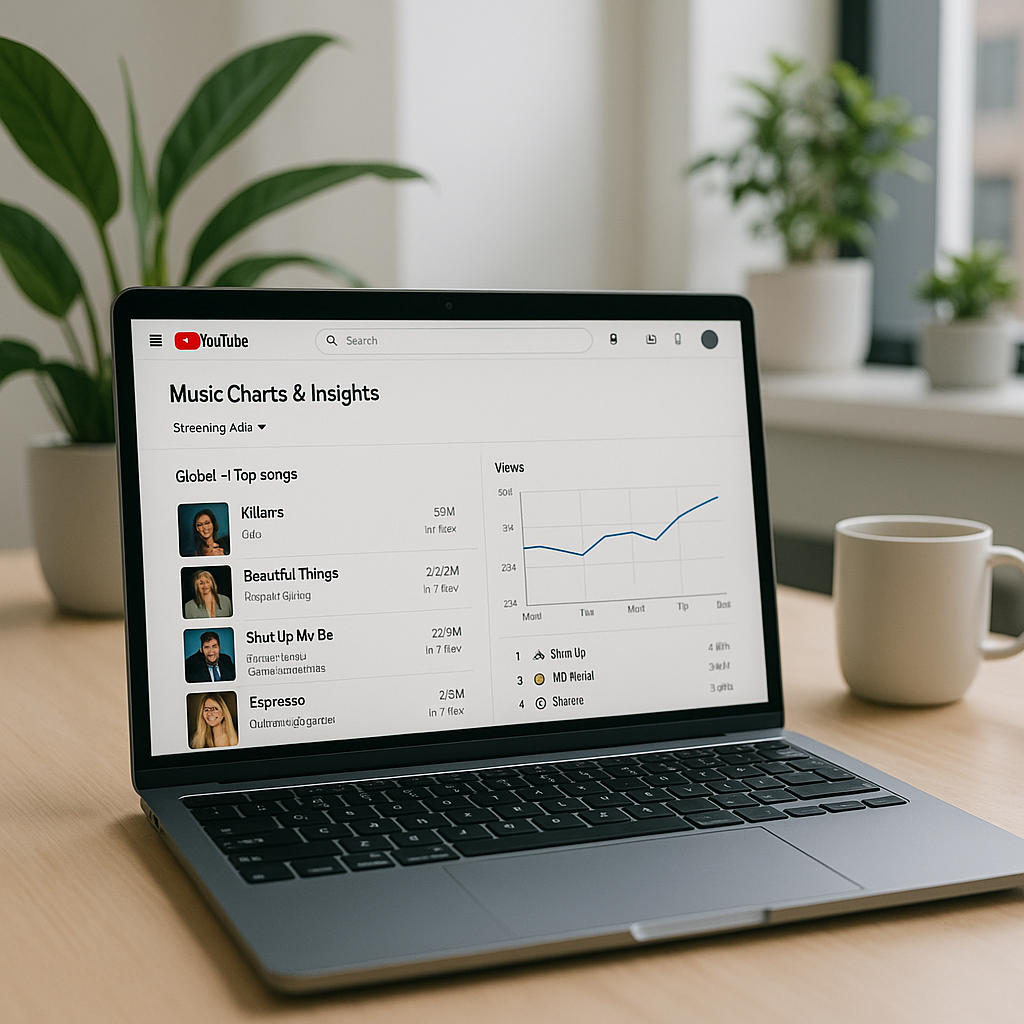
**Title: The Evolving Landscape of Music Charts: YouTube’s Influence on Billboard**
In today’s digital age, the way we consume music has transformed dramatically. With the rise of on-demand streaming platforms, metrics that once defined music success—like album sales and radio play—are now competing with a new set of standards. As business decision-makers or entrepreneurs in the music industry, understanding these changes is crucial. The recent announcement from YouTube regarding its relationship with Billboard sheds light on these shifts and emphasizes the importance of adapting to new consumer behaviors.
YouTube’s decision to cease sharing data with Billboard speaks volumes about the evolving nature of music consumption and the fairness of chart calculations. This development not only raises questions about the accuracy of popular music charts but also highlights the growing influence of streaming platforms. As we head into an era where ad-supported streaming services gather increasing traction, understanding how these metrics work can help us strategize effectively in the competitive music landscape.
The Clash of Streaming Models
YouTube’s grievances with Billboard stem from the latter’s approach to weighting streams in its rankings. Currently, Billboard favors streams from paid subscription services over those from ad-supported platforms. This imbalance is significant as ad-supported services, like YouTube, dominate a substantial portion of the streaming market. Billboard’s previous method considered 3,750 ad-supported streams equivalent to one album unit, while only 1,250 paid streams carried the same weight. This discrepancy has prompted YouTube to advocate for a more equitable approach, especially as it seeks to foster a new generation of chart-topping artists.
In January 2026, Billboard will implement changes aimed at addressing this disparity. Under the new model, the conversion rate for streams will shift to 2,500 ad-supported streams equating to an album unit, and only 1,000 for paid streams. This adjustment allows more artists to reach the Billboard charts while potentially redefining what “success” looks like in the contemporary music landscape.
Implications for Artists and Labels
So, what does this all mean for artists and labels? For starters, the shift in streaming metrics allows for greater representation of artists who may not have access to traditional forms of promotion. It inherently acknowledges the robust audience base that ad-supported platforms capture. With YouTube offering artists and labels billions of dollars from ad revenue and subscriptions, we are witnessing a power shift in the industry.
Consider a small indie band releasing music primarily on YouTube: previously, they might have been overshadowed by major label artists who command higher streaming numbers on paid services. But with Billboard’s changes, the increase in recognition through ad-supported streams could pave the way for indie artists to break through, allowing them to create a sustainable career through fan engagement rather than traditional sales alone.
Strategies for Success in the Current Music Market
As we adapt to these changes, here are practical strategies for artists and labels to maximize their reach and revenue:
- Focus on Content Creation: Engaging content, whether it be music videos, behind-the-scenes footage, or live-streamed performances, can significantly increase your viewership on platforms like YouTube.
- Leverage Social Media: Use channels like Instagram and TikTok to promote your music and foster a community around your brand. Viral trends can lead to substantial streaming improvements.
- Invest in Digital Marketing: Consider investing in targeted digital marketing campaigns to reach potential listeners effectively. Utilize SEO strategies to enhance your visibility online.
- Collaborate with Influencers: Partnering with social media influencers can help elevate your music’s presence across various platforms, increasing both ad-supported streams and overall engagement.
- Analyze Streaming Data: Utilize analytical tools to understand your audience’s preferences and tailor your content accordingly. Identifying patterns can help you better engage with listeners.
Understanding the Future of Music Charts
The relationship between YouTube and Billboard serves as a reminder that in this fast-evolving music industry, adaptability is key. While traditional charts may still hold some weight, the growing shift towards on-demand streaming highlights the need for artists and labels to evolve their strategies. Ultimately, embracing new metrics can yield opportunities that might have previously seemed out of reach.
As we move forward, we will likely see more changes to music charts and how we define success in the industry. It’s an exciting yet challenging time for those of us in the music business.
Conclusion
At this juncture, as decision-makers in the music industry, it is vital to remain informed about these changes and adapt accordingly. Whether you’re an artist seeking recognition, a label hoping to promote talent, or a business pondering how these shifts affect your strategy, our team at Best Choice is here to help you navigate this new landscape. We can provide tailored digital solutions that incorporate these emerging trends and help you stay ahead of the curve. Don’t hesitate to reach out—we’re committed to supporting your journey in this dynamic industry.