# Indonesia Announces a Social Media Ban for Anyone Under 16: Implications and Insights
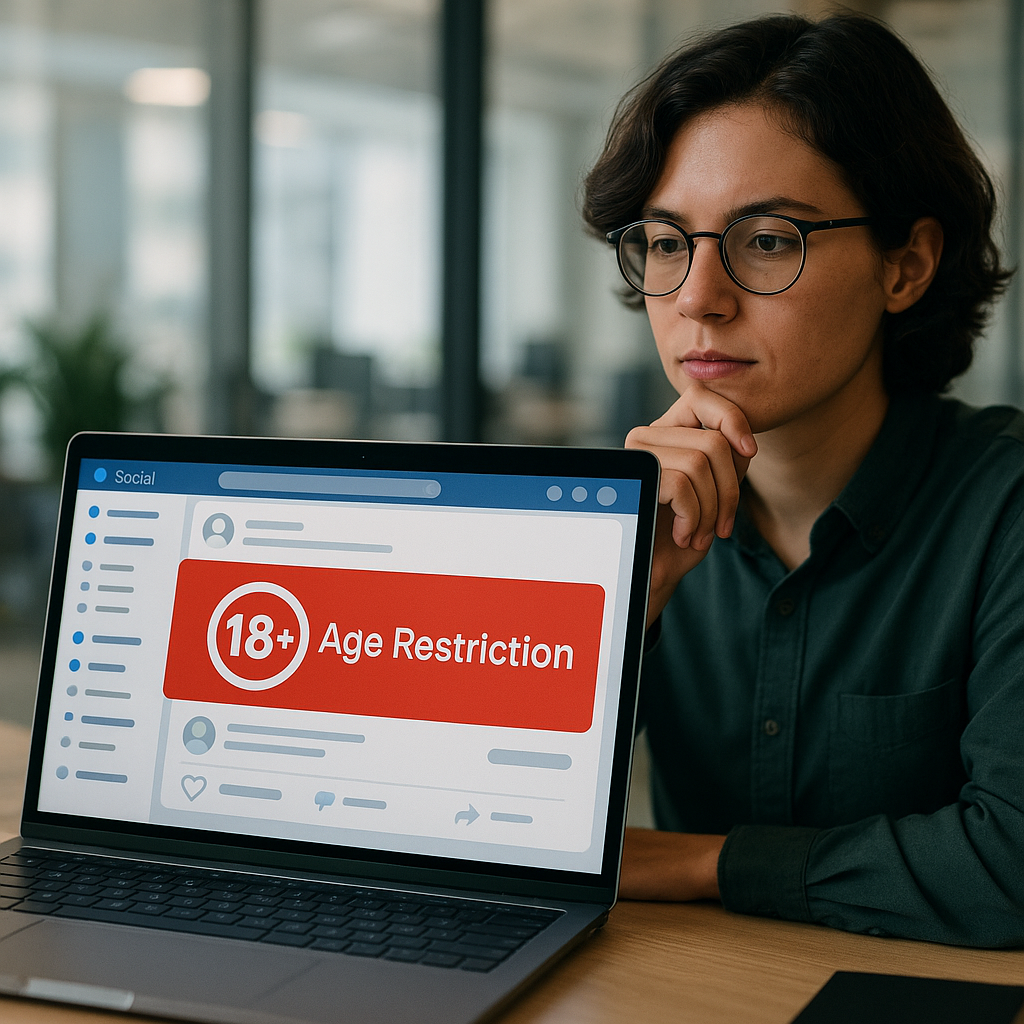
As we navigate an increasingly digital world, the presence of social media has become a double-edged sword, especially for younger audiences. Today, I want to discuss a significant development in Indonesia, where the government has announced a new regulation that will limit social media access for children under the age of 16. This initiative, set to take effect on March 28, highlights a growing trend among nations seeking to protect children from the potential dangers of social media.
In the announcement made by Meutya Hafid, Indonesia’s communication and digital affairs minister, it’s clear that the government is taking a proactive approach. They aim to implement a system that requires “high-risk” platforms, including giants like YouTube, TikTok, Facebook, and Instagram, to delete any accounts belonging to users under 16. This regulatory shift aligns Indonesia with Australia, Spain, and Malaysia, which are all working towards similar restrictions. Understanding the implications of this ban can help us grasp what is at stake and how it can impact businesses and families alike.
## The Rationale Behind the Ban
### Protecting Minors from Online Dangers
The driving force behind Indonesia’s regulation stems from an urgent need to protect minors from the myriad of dangers associated with social media. With growing concerns about cyberbullying, privacy issues, and exposure to inappropriate content, governments worldwide are stepping in to create a safer online environment for children. By restricting social media access, they hope to minimize these risks during a crucial developmental stage.
### Aligning with Global Trends
Indonesia is not acting in isolation. The global landscape is shifting, with more nations recognizing the necessity of youth protections in the digital realm. Australia was the pioneer in this movement, raising awareness about the need for regulations surrounding social media usage. Spain’s recent announcement and Malaysia’s similar initiatives show that more countries are following suit, highlighting a concerted effort to safeguard children around the world.
## Implementation Strategy for the Ban
### Phased Approach
The implementation will occur in stages, beginning with major platforms like TikTok and Facebook. This strategic rollout allows the government to assess challenges and address issues as they arise, ensuring a smoother transition for both users and platforms. Engaging with these platforms directly can lead to the development of safer online environments while dealing with any compliance-related issues effectively.
### Compliance Obligations
While the specifics of compliance obligations have yet to be disclosed, platforms are expected to fulfill certain requirements set forth by the Indonesian government. This transparency between government authorities and social media companies can lead to better practices that ensure the safety and security of children online.
## Global Impact and Comparisons
### Similar Legislative Moves in Other Countries
With moves being made in countries like Spain and Malaysia, it’s apparent that Indonesia’s actions are part of a broader movement toward youth protection in the digital landscape. Industry leaders may need to adapt their strategies not only to comply with local regulations but to anticipate and respond to future legislative changes across borders.
### The Role of Social Media Platforms
As measures like these emerge globally, social media platforms face increasing pressure to implement robust age-verification systems. Companies may need to invest in technologies that prevent underage users from creating accounts, which could foster innovation in identity verification, enhancing user safety.
## Business Considerations and Opportunities
### Implications for Businesses
For businesses operating in regions affected by these bans, there are significant implications to consider. Companies that rely on social media for marketing must pivot their strategies to adapt to the restrictions. This might include exploring age-appropriate content or alternative communication channels to reach their audience.
### Opportunities for Digital Solutions
At Best Choice, we understand the challenges businesses face amidst these shifts. By leveraging custom-built solutions, we can assist organizations in developing strategies that comply with new regulations while effectively engaging their target audience. Automation, data analysis, and enhanced marketing strategies can help businesses remain agile and responsive.
## Actionable Tips for Businesses
– **Monitor Legislative Changes:** Stay up to date on local laws and regulations that may affect your business operations.
– **Adapt Marketing Strategies:** Consider diversifying your marketing channels beyond social media, such as content marketing, email newsletters, and in-store promotions.
– **Invest in Compliance Solutions:** Explore third-party platforms or custom-built solutions to help implement age verification and compliance with local regulations.
## Conclusion
As Indonesia joins the growing list of countries limiting social media access for individuals under 16 years old, it’s crucial to keep a close eye on the evolving digital landscape. This ban not only aims to protect minors but also raises important considerations for businesses across sectors. At Best Choice, we are here to support you in navigating these regulations, ensuring your business thrives while adhering to necessary compliance measures. If you’re looking for ways to adapt to this changing environment, don’t hesitate to reach out for guidance and tailored solutions. Together, let’s create a safer and more efficient digital experience for everyone.