**Tesla’s Shift: From Luxury EVs to Humanoid Robotics**
In a bold and strategic move, Tesla has announced the cessation of production for its Model S and Model X electric vehicles. Elon Musk, Tesla’s CEO, revealed during the recent earnings call that the company will “basically stop the production” of these once flagship vehicles by next quarter. This decision marks a significant shift in the brand’s direction as it pivots towards a future increasingly focused on automation and artificial intelligence. Why is this shift happening, and what does it mean for the automotive landscape?
Tesla has enjoyed phenomenal success with its Model S, which debuted in 2012, and the Model X, launched in 2015. However, with the rise of the more affordable and popular Model 3 and Model Y, the sales figures for the older models have notably dwindled. In 2025, for instance, Tesla sold only 418,227 units of the Model S and X compared to an impressive 1,585,279 units of the Model 3 and Y. As the market evolves, it appears that Tesla is recognizing the need to adapt its offerings to maintain its leadership in the industry.
### A New Era: The Focus on Autonomous Robotics
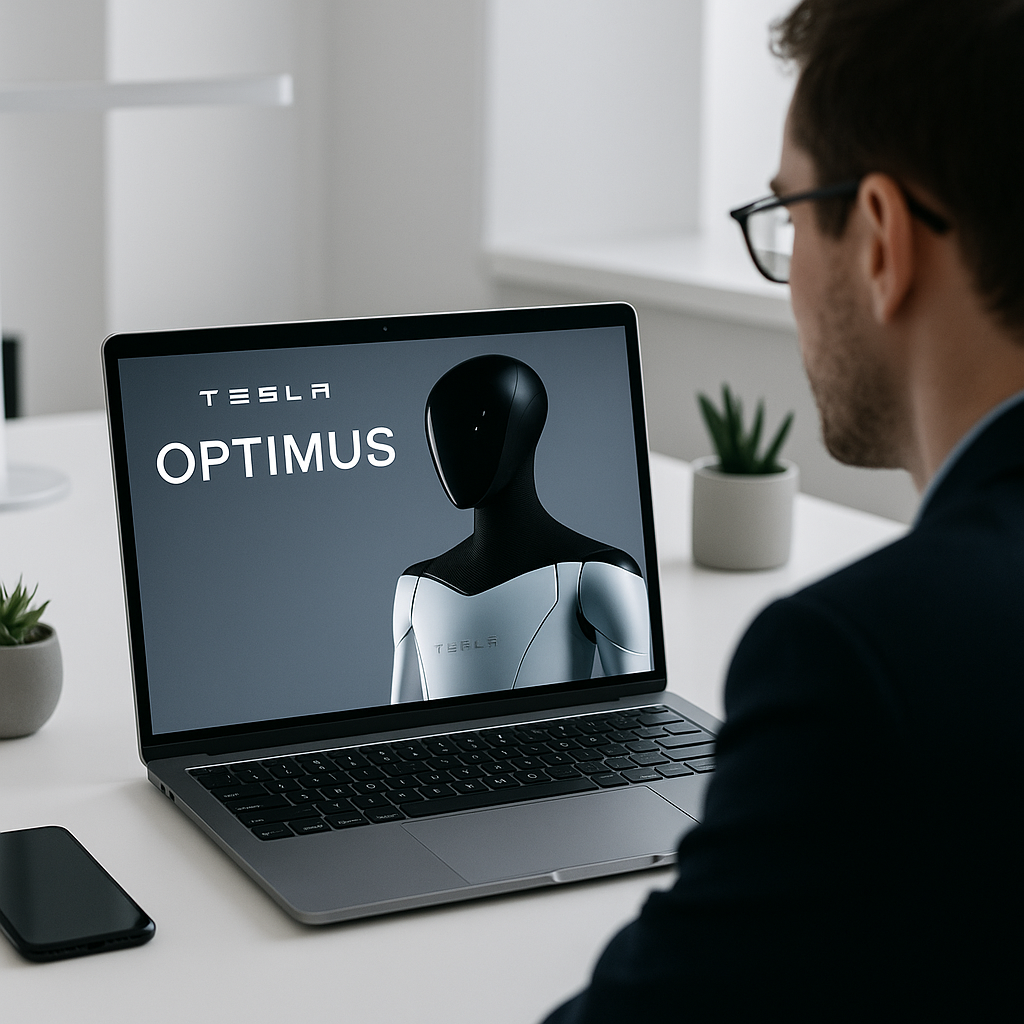
With the discontinuation of the Model S and X, Tesla intends to convert its manufacturing facilities in Fremont for the production of its ambitious Optimus humanoid robots. Musk has big aspirations for these robots, stating that they will usher in a new era of automation and potentially become “the biggest product of all time.” This move showcases Tesla’s commitment to advancing technology beyond electric vehicles and emphasizes their vision to explore autonomous systems.
As businesses grapple with increasing labor costs and the demand for efficiency, the introduction of sophisticated robotics can significantly transform workflows. Imagine a warehouse setting equipped with Optimus units capable of performing routine tasks—this could drastically reduce labor time and increase productivity.
#### The Benefits of Upgrading to Automation
1. **Boosting Efficiency**: Companies can automate time-consuming tasks, allowing employees to focus on more strategic responsibilities. Optimus robots could manage inventory checks and assist with logistics, streamlining operations.
2. **Cost-Effectiveness**: By reducing the need for manual labor in specific areas, such as warehouse management or customer service, businesses can cut expenses while simultaneously improving output quality.
3. **Scalability**: Any business looking to expand might find it easier with the help of robots. As needs evolve, adding more robots into the workflow can be as simple as programming a few additional units rather than hiring and training new staff.
4. **Enhanced Customer Experience**: Robots can also serve customers directly, offering information at kiosks or helping with on-site inquiries at retail locations, which enhances customer satisfaction.
5. **Data-Driven Insights**: The integration of AI into robotics allows for the collection and analysis of data, enabling businesses to improve processes based on real-time feedback.
6. **Future-Proofing**: Investing in automation technology positions businesses better for future developments. As industries change, those equipped with technologies like Optimus will likely maintain competitive advantages.
### Challenges Ahead: Realizing the Hype
Despite the potential advantages, Tesla’s endeavor with the Optimus robot is not without its challenges. It is crucial to acknowledge that while the idea of humanoid robots may sound transformative, they must meet the expectations set during initial demonstrations. The reality, as history has shown, often lags behind promises. Many innovations face hurdles in practicality, which can undermine stakeholder confidence.
### Learning from Market Trends
In Denmark and across Europe, businesses are gradually recognizing the potential of automation, which is closely tied to the growth of AI technologies. Companies like Volvo and Siemens are integrating robotics into manufacturing while logistics firms are increasing their reliance on automated systems to handle warehouse operations.
While Tesla’s pivots may seem extreme, they reflect a broader trend in the automotive and technology sectors where companies must evolve to remain relevant. The decision to discontinue production of the Model S and X is emblematic of an industry at a crossroads, reminding us that adaptability is critical.
### Conclusion: Embracing the Future
As an entrepreneur or business decision-maker, it is essential to stay informed about the evolution of technology in your industry. Whether it’s considering the integration of sophisticated robotics into your operations or investing in AI-driven tools, the future is undoubtedly leaning toward automation and artificial intelligence.
At Best Choice, we understand the challenges and opportunities presented by these advancements. We are equipped to help you adopt new technologies that can transform your business processes, enhance productivity, and ultimately drive growth. If you’re interested in exploring how automation can benefit your operations, don’t hesitate to reach out to us for tailored solutions that meet your business needs. Let’s create a brighter, more efficient future together!