### Tesla’s Robotaxis: A Look into Remote Driving Operations
In the rapidly evolving world of self-driving vehicles, Tesla has made headlines for its ambitious plans to roll out a fleet of robotaxis. However, new reports reveal that, when it comes to autonomy, Tesla’s approach is more nuanced than initially thought. According to a letter shared with Senator Ed Markey, Tesla admitted that its robotaxis are occasionally operated remotely by human drivers. This revelation opens up an intriguing discussion about the challenges and innovations surrounding autonomous driving technology.
Robotaxis, designed to revolutionize transportation, promise to improve efficiency, reduce congestion, and provide a cost-effective means of travel. But as Tesla navigates the path toward fully autonomous vehicles, it has begun to rely on human operators as a safety net in unexpected situations. This hybrid approach, blending human oversight with advanced technology, signals a significant development in the quest for self-driving success.
### How Remote Driving Works
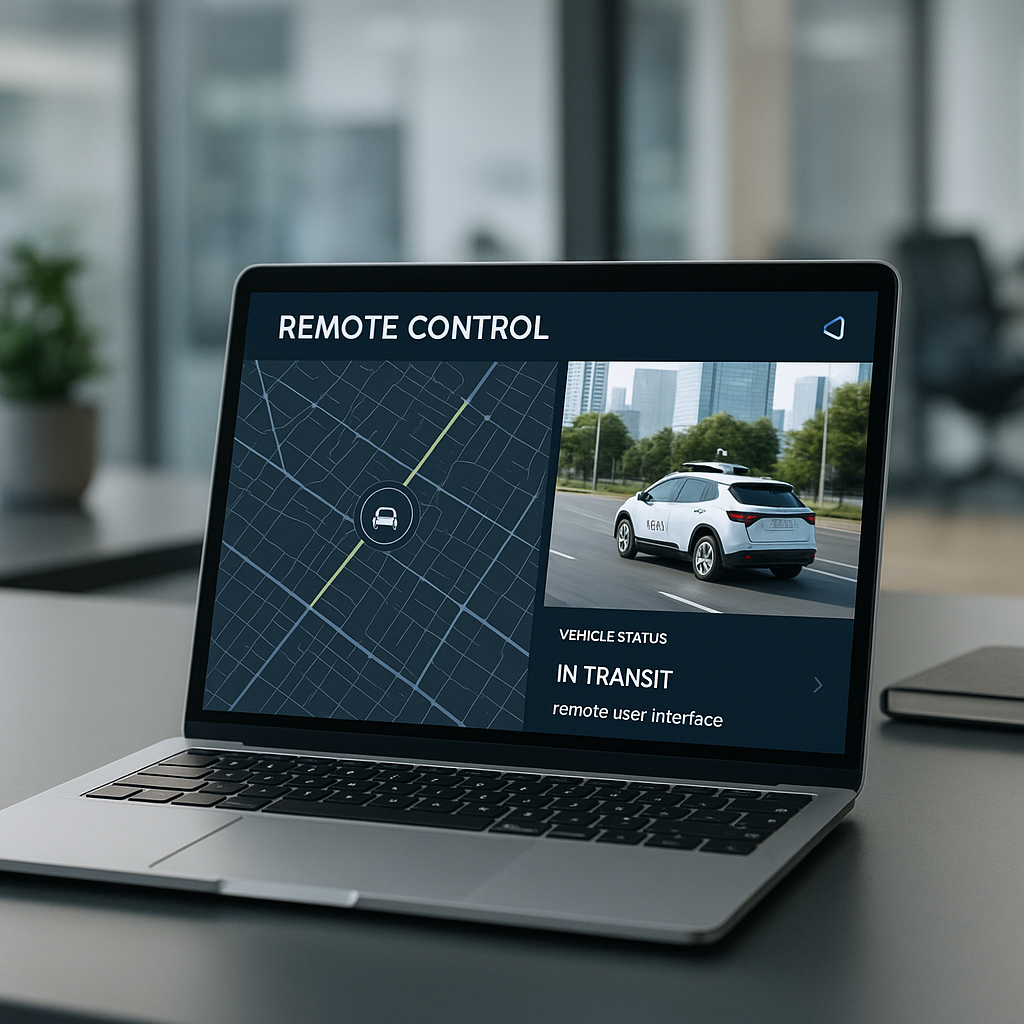
Tesla’s use of remote driving is primarily a contingency plan for rare scenarios where their robotaxis encounter difficulties. As outlined by Karen Steakley, Tesla’s director of public policy and business development, human operators can assume direct control of the vehicle as a final resort after all other intervention methods have been exhausted. This control is limited to situations where the robotaxis are moving at a slow speed of around 2 mph or less and can be increased to no more than 10 mph if the software permits it.
This system offers a layer of security for both passengers and other road users. It combines the efficiency of AI with the human intuition and decision-making skills necessary for navigating complex urban environments. This unique approach is different from competitors like Waymo, which utilize human operators primarily to provide guidance and context to their self-driving software, without actually taking control of the vehicle.
### The Challenges of Autonomous Driving
The need for human intervention in Tesla’s robotaxi system highlights some significant technical hurdles that developers face when striving for complete autonomy. As Wired points out, the reliance on remote operation is less common in the industry due to issues such as latency and the limited sensory perspective of the vehicle. These factors can make controlling a robotaxi remotely unsafe and complicated.
Self-driving technology relies heavily on sensor information to make real-time decisions. In Tesla’s case, the exclusive use of cameras for its Full Self Driving (FSD) system is particularly daring compared to other companies integrating multiple sensor types, including radars, for more comprehensive environmental awareness. The blend of challenging technological factors and the necessity for human oversight reflects ongoing complexities in achieving reliable autonomous driving.
### Real-World Applications of Robotaxis
Let’s consider practical examples of how Tesla’s robotaxi service could transform various industries in Denmark and Europe. Imagine a small café in a bustling city. By utilizing robotaxis for delivery, they could streamline their order fulfillment process, ensuring that fresh pastries reach customers quickly without increasing labor costs. The efficiency gained by automation allows the café to focus on creating more delectable offerings while optimizing operations.
Similarly, an online store could leverage robotaxis for logistics, managing inventory and fulfilling orders faster. By automating deliveries, business owners can not only reduce overhead costs but also elevate customer satisfaction with quicker delivery times. The implications for inventory management and supply chain optimization are monumental.
### Frequently Asked Questions about Remote Driving
#### What situations necessitate remote assistance for Tesla’s robotaxis?
Remote assistance is used in rare cases when all other intervention measures have failed. It serves as a safety net during emergencies or unexpected obstacles.
#### How does Tesla’s remote control differ from other companies like Waymo?
While Tesla allows human operators to take control of the vehicle, Waymo utilizes human assistance to provide guidance and context without relinquishing driving authority.
#### Can robotaxis really be trusted for safe transportation?
Tesla’s continual adjustments to its FSD system, along with a reliance on human oversight, present a transition to greater safety and reliability, although the technology is still being honed.
### The Future of Robotaxis and Automation
As Tesla pushes forward with its robotaxi fleet, ongoing developments will likely shape the future of urban mobility across Europe, especially in bustling cities like Copenhagen or Aarhus. Integrating automation into daily business operations presents more than just technological advancements; it opens up conversations about regulatory challenges, safety standards, and consumer acceptance.
### Conclusion
In conclusion, while Tesla’s approach to robotaxis may seem unconventional, it highlights the dynamic interplay of technology and human decision-making in the drive towards full autonomy. As we continue to explore these innovations, it’s vital for businesses to stay informed about how developments in automation, AI, and remote operation can serve their unique needs.
At Best Choice, we are dedicated to helping you navigate these exciting technological advancements for your business. Whether it’s automating your workflows, implementing innovative software solutions, or optimizing your operations, we can assist. Feel free to reach out for personalized advice and solutions tailored to your business needs. Let’s take the leap into the future together!