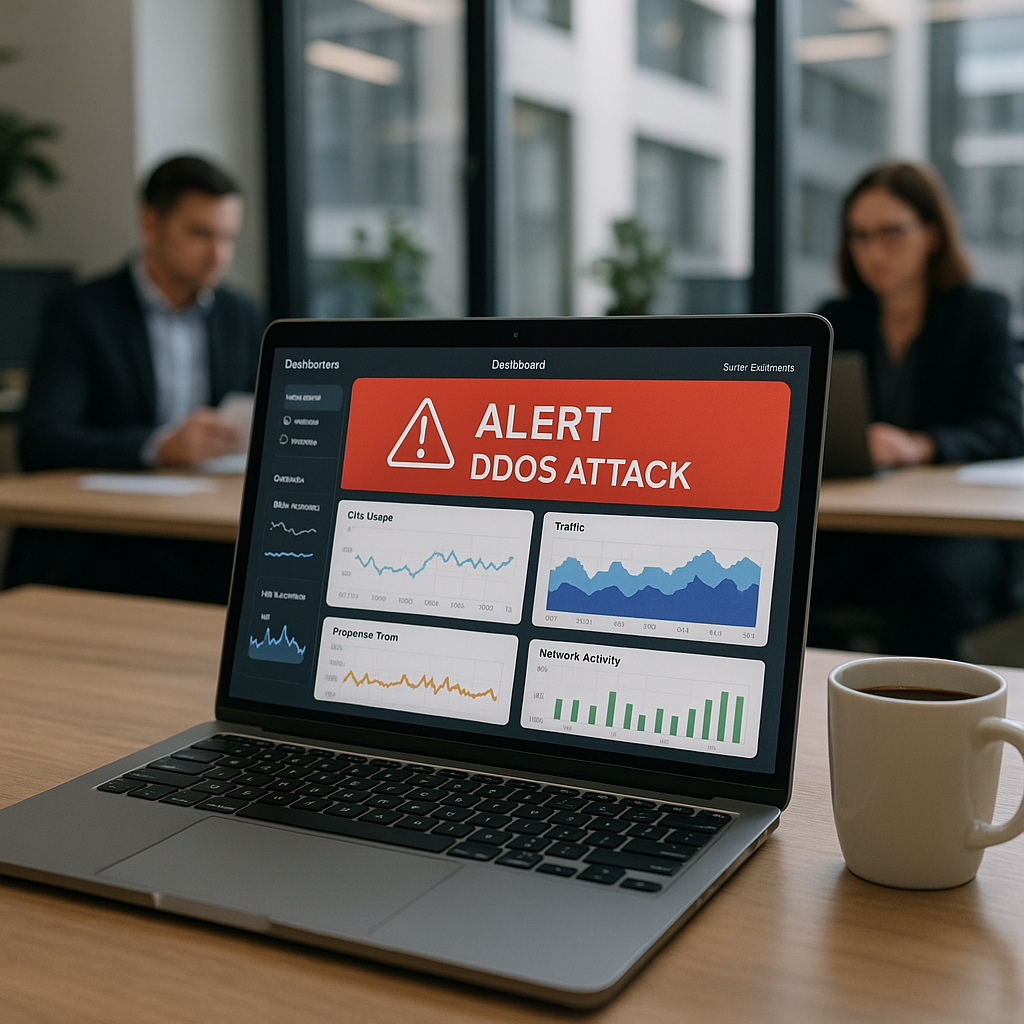
**Bluesky Blames DDoS Attack for Server Outages: Understanding the Impact on Users**
In today’s digital landscape, social media platforms are increasingly becoming the targets of cyber attacks, disrupting services and frustrating users. The latest incident involves Bluesky, a social networking platform that has faced significant outages due to a Distributed Denial-of-Service (DDoS) attack. As business owners and decision-makers navigating the complexities of technology, understanding the nature of these attacks and their repercussions can help us better prepare and protect our own digital assets.
Bluesky announced that some of its systems were down and indicated that they were investigating service interruptions in specific regions. Starting early in the morning, users experienced intermittent outages throughout the day, including difficulties accessing their feeds, notifications, and even the status page meant for monitoring service disruptions. This incident serves as a stark reminder that no platform is completely immune to cyber threats, and as entrepreneurs, it’s crucial to comprehensively understand how it affects user engagement and overall service reliability.
### What is a DDoS Attack?
A Distributed Denial-of-Service (DDoS) attack is a malicious attempt to disrupt the normal functioning of a targeted server, service, or network by overwhelming it with a flood of internet traffic. In simpler terms, it’s akin to a traffic jam that clogs a busy highway, preventing legitimate users from getting through. Cybercriminals typically employ a network of compromised computers and devices to create this artificial traffic, which can significantly degrade service quality.
### Why Businesses Should Be Concerned
**1. Revenue Loss and Business Disruption**
Uninterrupted service is critical for any business, particularly in the digital world where customer expectations are high. When a platform like Bluesky experiences downtime, both reputation and revenue can suffer. Imagine a café that relies on an online ordering system; prolonged outages can lead to lost sales and customer trust.
**2. Customer Experience and Engagement**
A reliable communication channel is essential for maintaining customer relationships. If users encounter frequent disruptions, their engagement with the platform diminishes. For example, an online store that is consistently inaccessible during peak shopping hours will see a direct impact on sales. As a business, you cannot afford to allow technical issues to diminish user experience.
**3. Heightened Security Awareness**
Events like these highlight the necessity for robust security measures. Although Bluesky reported that it had not detected unauthorized access to user data, the potential for such breaches always looms large during DDoS attacks. As a proactive response, businesses should invest in cybersecurity installations that protect against these and other threats.
### How Bluesky Responded and Lessons Learned
Bluesky’s response involved acknowledging the issue, investigating the attack, and working to mitigate its effects. Communication is key in such scenarios; transparent updates re-establish user trust.
**What Can Other Companies Do?**
**1. Invest in DDoS Protection Services**
To defend against similar attacks, businesses should explore dedicated DDoS protection services that specialize in monitoring traffic and filtering out potential threats. Having an experienced IT partner can provide businesses with tailored cybersecurity plans tailored to their unique needs.
**2. Create a Reliable Incident Response Plan**
Every business should outline what steps to take during a cybersecurity incident. This involves defining roles, communication policies, and recovery processes. Having a clear path makes it easier to respond efficiently, keeping operations running smoothly.
**3. Regularly Review and Update Security Measures**
Even if your business hasn’t experienced an attack, a regular review of your security measures is essential. Security protocols must adapt to the constantly changing threat landscape, ensuring that your defenses are updated and effective.
### The Importance of Monitoring and Analytics
Using analytics tools, companies can monitor user engagement patterns and identify unusual spikes in activity that might signal an impending DDoS attack. This data-driven approach allows for quicker response times, minimizing disruptions.
### Conclusion
As the recent outages at Bluesky demonstrate, cybersecurity is no longer just an IT concern; it’s a crucial element of business strategy. Understanding the implications of DDoS attacks and implementing proactive measures will not only safeguard your business but also enhance customer trust and loyalty.
If your business is looking to fortify its digital infrastructure, or if you want to explore custom-built solutions tailored to your specific needs, we at [Best Choice](http://web.best-choice.dk) are here to help. Reach out to us for expert guidance, and let’s work together to keep your systems running smoothly and securely.