A New Era in Healthcare: Automated Blood Draws Are Here to Stay
Imagine walking into your doctor’s office, ready for your routine blood draw, and being greeted not by a nurse, but by a gentle robot. This futuristic scenario is becoming a reality thanks to the recent FDA approval of a groundbreaking automated blood draw device designed for outpatient settings. At Best Choice, we believe that this innovation marks a significant breakthrough in medical technology, enhancing patient experiences and improving operational efficiencies in healthcare.
As business decision-makers and entrepreneurs, understanding how technology like this is reshaping the healthcare landscape is crucial. The integration of automated solutions not only addresses common pain points in patient care but also opens doors for new opportunities in workflow management and profitability. Join me as we delve deeper into the implications of automated blood draws and how they herald a new age of healthcare automation.
How Automated Blood Draws Work
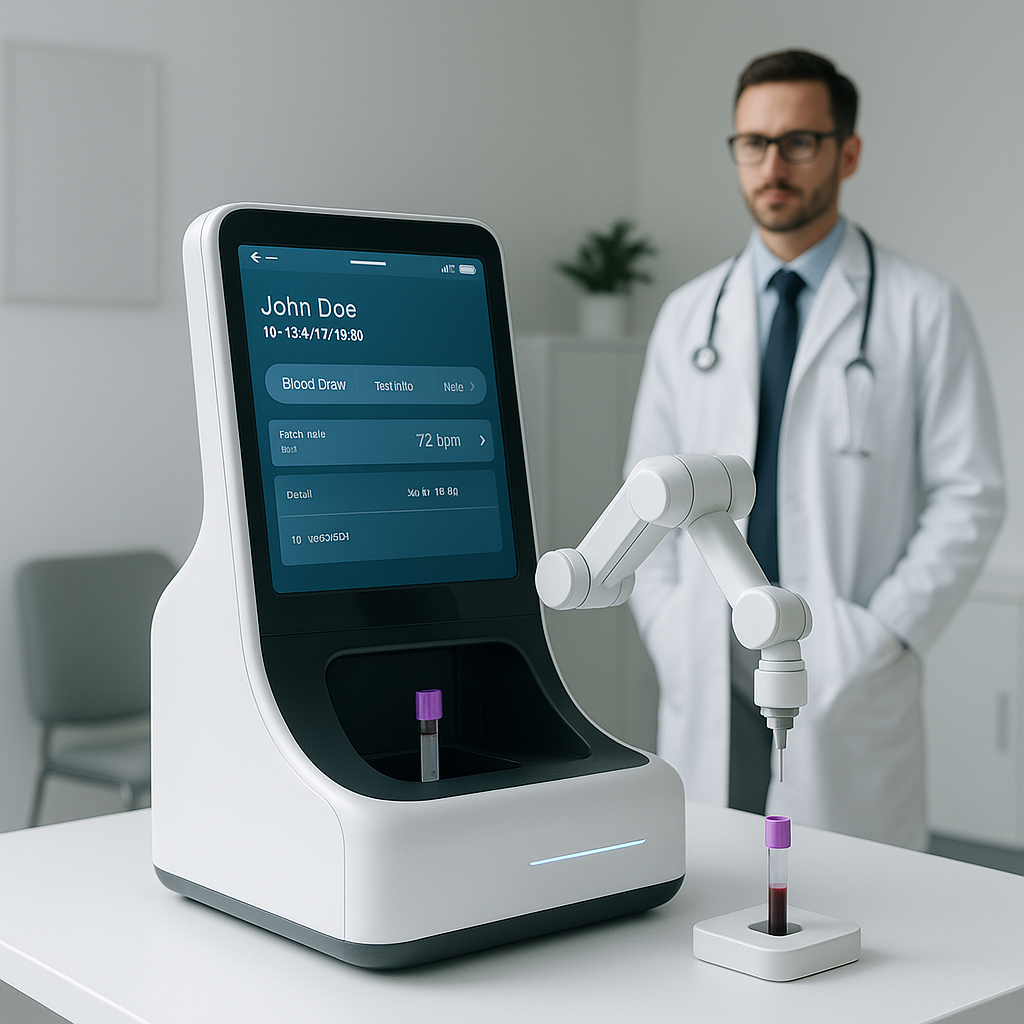
Automated blood draw devices are designed to streamline the process of taking blood samples. These devices utilize advanced algorithms and robotics to safely and efficiently collect blood from patients. By minimizing human error and enhancing precision, they ensure that patients have a smoother, less stressful experience during what can otherwise be a challenging procedure.
- Efficiency: With robots handling the blood collection, healthcare professionals can focus on more critical tasks, catering to more patients at a time.
- Consistency: Automated systems deliver consistent results in both the quantity and quality of samples collected, which is vital for accurate diagnosis.
Addressing Common Challenges in Blood Draws
For many patients, blood draws can be anxiety-inducing, especially for those with a fear of needles or a history of difficult venipunctures. Automated systems can help alleviate these concerns by providing a more predictable and less intimidating experience.
Moreover, these devices can significantly cut down on the time spent on each blood draw, which is a massive win for clinics and healthcare facilities. The improved efficiency also translates to cost savings, allowing healthcare providers to manage their resources better.
Real-World Applications: Who Benefits?
Consider a local clinic that sees hundreds of patients weekly for regular check-ups and blood work. By integrating an automated blood draw device, the clinic can streamline the patient flow. With a robot handling the routine blood samples, nurses can dedicate their time to more complex procedures, thereby enhancing overall service delivery.
In another example, imagine a large hospital laboratory that routinely conducts tests for various departments. The adoption of automated devices for blood draws allows the lab technicians to optimize their workflow, processing more samples in less time. This boost in efficiency can lead to faster turnaround times for patients awaiting critical test results.
Improving Patient Experience and Trust
The introduction of automated blood draw systems also fosters greater trust and satisfaction among patients. They appreciate the use of cutting-edge technology, which reassures them that they are receiving the best care possible. Moreover, the reduction in wait times and the improved overall experience can contribute significantly to positive reviews and recommendations.
Common Concerns: Safety and Reliability
As with any new technology, there may be concerns about the safety and reliability of automated systems. It’s essential that healthcare providers partner with trusted technology solutions, ensuring that all equipment adheres to strict safety standards set by regulatory bodies.
Furthermore, training staff to efficiently operate and integrate these systems into existing workflows is crucial. At Best Choice, we ensure that technology implementation is seamless, providing the necessary support to make the transition as smooth as possible.
Future Trends: What to Expect
As automated blood draw devices gain traction, we can expect to see advancements in artificial intelligence (AI) and machine learning creating even smarter solutions. Future iterations may include enhanced data analytics, improving not just the collection process but the entire diagnostic journey.
In Denmark and broader Europe, where healthcare is already leveraging digital transformations, the adoption of such technology aligns perfectly with regional initiatives aimed at improving efficiency and patient care.
Conclusion: Embracing Change for Better Outcomes
As the journey towards a more automated healthcare system continues, the adoption of automated blood draw devices marks just the beginning. The benefits of improving workflows, reducing costs, and providing better care for patients are profound and actionable. At Best Choice, we are here to help you navigate these changes, offering tailored, custom-built solutions designed to integrate seamlessly with the latest technologies.
If you’re looking to explore how automation and advanced technologies can enhance your business’s operations, don’t hesitate to reach out to us. Together, we can embrace the future of healthcare and create solutions that work for you.