Understanding the Impact of Licensing Agreements in the AI Music Space
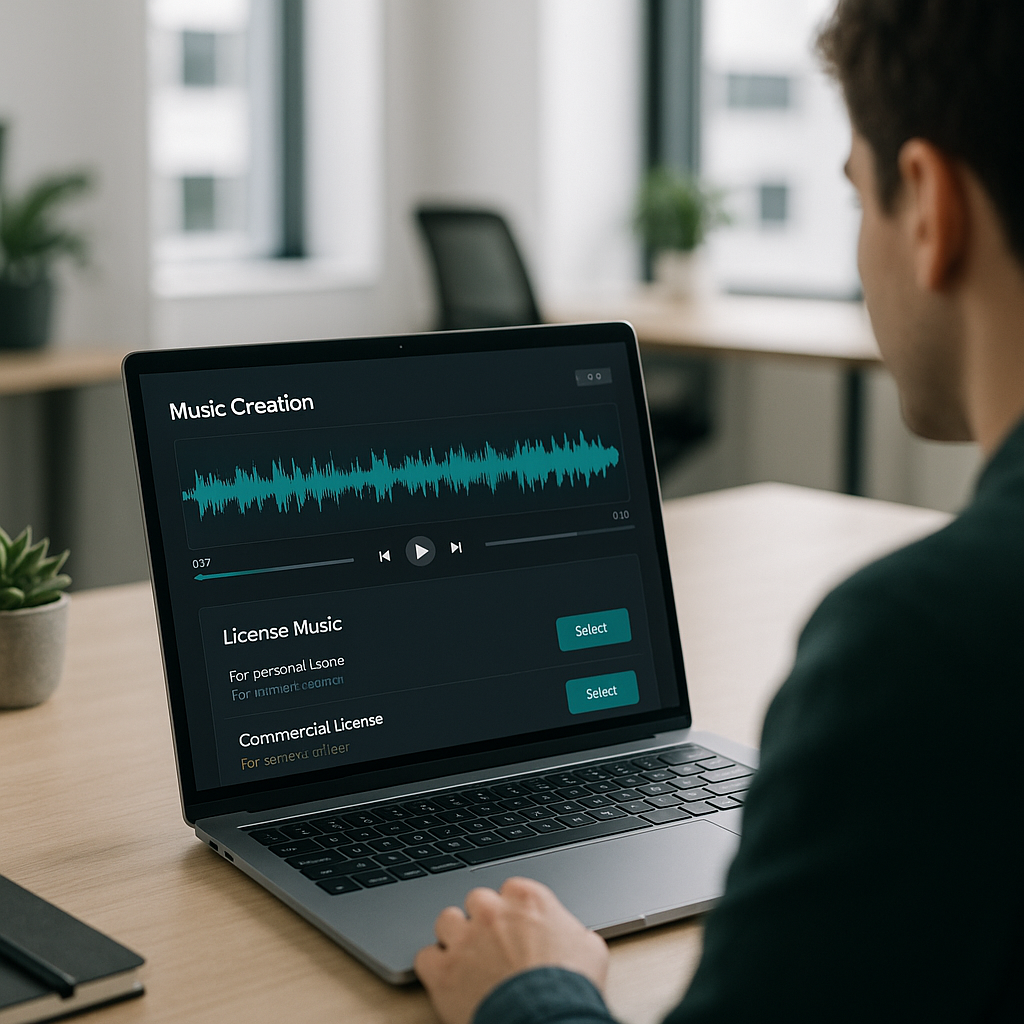
As the digital landscape evolves, the intersection of technology and creativity often spawns both innovation and legal challenges. A recent development in this dynamic world is the groundbreaking agreement between Warner Music Group (WMG) and the AI music platform, Suno. This partnership highlights a critical shift in how artists’ rights are protected in the age of artificial intelligence and machine learning.
By allowing Suno to license music and likenesses of its artists while simultaneously dropping its ongoing litigation, WMG is setting a new standard in the music industry. This change is not just about legalities but about empowering artists in a world where AI-generated music is becoming increasingly prevalent. As a business decision-maker or entrepreneur, it’s crucial to understand how these shifts impact your own industry, whether you’re in music, tech, or beyond.
The Mechanics of Licensing Agreements
At Best Choice, we recognize the importance of custom-built solutions that respond to emerging industry challenges. Licensing agreements, like the one between WMG and Suno, can serve as a blueprint for how businesses can navigate copyright issues in a digital ecosystem.
For example, WMG’s deal ensures that artists retain control over their identities and creations. They have the option to opt-in to the use of their names, images, and music in new AI-generated content. This model not only protects artists but enhances their engagement with fans. As a savvy business leader, consider implementing similar strategies where you can offer clients or customers agency over their data or intellectual property.
Adapting to AI Innovations in Business
The agreement also mentions that Suno will modify its platform, launching more advanced and licensed models in 2026. In addition to licensing compliance, these changes will affect user experience—introducing restrictions on music downloads for free-tier accounts. What does this mean for your business?
It illustrates an important lesson: responding to technological trends demands flexibility and responsiveness. Automation tools should not only be smart but compliant. For instance, if you run a cafe that plays music, switching to licensed music streaming services that offer clear guidelines on usage can save you from potential legal headaches down the line.
Real-World Applications: Benefits for Businesses
Consider how WMG’s arrangement may evolve the ways businesses engage with music or AI technology. A clinic using AI-driven solutions for patient interaction could implement policies ensuring patient data is handled ethically and respectfully. This approach not only builds trust but also demonstrates a commitment to privacy—an essential factor for today’s consumers.
Another example could be an online store integrating music into their marketing strategy. By utilizing licensed tracks, they can create a more engaging shopping experience while avoiding the pitfalls related to copyright issues. By ensuring compliance, they not only elevate their brand image but also potentially increase revenue through improved customer engagement.
The Role of AI: Enhancing Customer Experiences
Suno is not only enhancing its platform but also acquiring WMG’s Songkick concert discovery tool. This merger could foster new ways for artists to connect with their fans—something that businesses across sectors can learn from. For example, a warehouse using AI for logistics could also create an avenue for real-time customer engagement through updates on product availability or shipping status.
In any business, understanding and leveraging technological advancements can create a more personalized customer experience, ultimately leading to increased loyalty and sales.
Recommendations for Business Decision-Makers
1. **Assess Licensing Needs**: Review your use of third-party content and ensure you’re compliant with copyright laws. Explore opportunities for agreements that benefit both your business and creators.
2. **Embrace Technology**: Stay updated on platforms like AI music generators, but ensure you’re not stepping over legal boundaries. Opt for solutions that prioritize licensing and ethical practices.
3. **Foster Community Engagement**: Whether through platforms like Songkick or your unique methods, create channels for direct interaction between your business and your customers.
4. **Invest in Ethical AI**: If integrating AI, ensure that your implementation upholds the integrity of user data and content, ensuring compliance and trustworthiness.
Conclusion
The recent agreement between Warner Music and Suno opens new doors for the industry, showcasing a proactive approach to managing copyright in the age of artificial intelligence. At Best Choice, we believe that similar strategies can empower your business, whether you operate in music, retail, or any sector utilizing technology.
Are you facing challenges related to digital rights management or seeking ways to innovate your business processes? We invite you to reach out to us at Best Choice for tailored solutions that align with your unique needs and help you thrive in this ever-evolving digital landscape. Let’s navigate the complexities of technology together!