# The Impacts of Power Outages on Autonomous Vehicle Operations: Lessons from San Francisco
As a business decision-maker or entrepreneur, you are likely aware of how critical technology is in our rapidly evolving landscape. With developments in automation and innovative solutions like self-driving cars, the resilience of these technologies in the face of unforeseen challenges is paramount. The recent power outage in San Francisco that left Waymo’s autonomous vehicles stranded at intersections highlights a significant vulnerability in autonomous systems and raises questions about their reliability during emergencies.
In this article, I will outline the implications of the San Francisco power outage on Waymo’s self-driving operations, discuss how custom-built solutions can enhance the robustness of such technologies, and delve into popular solutions that businesses across Denmark and Europe can adopt for improved operational resilience.
## Understanding the Incident
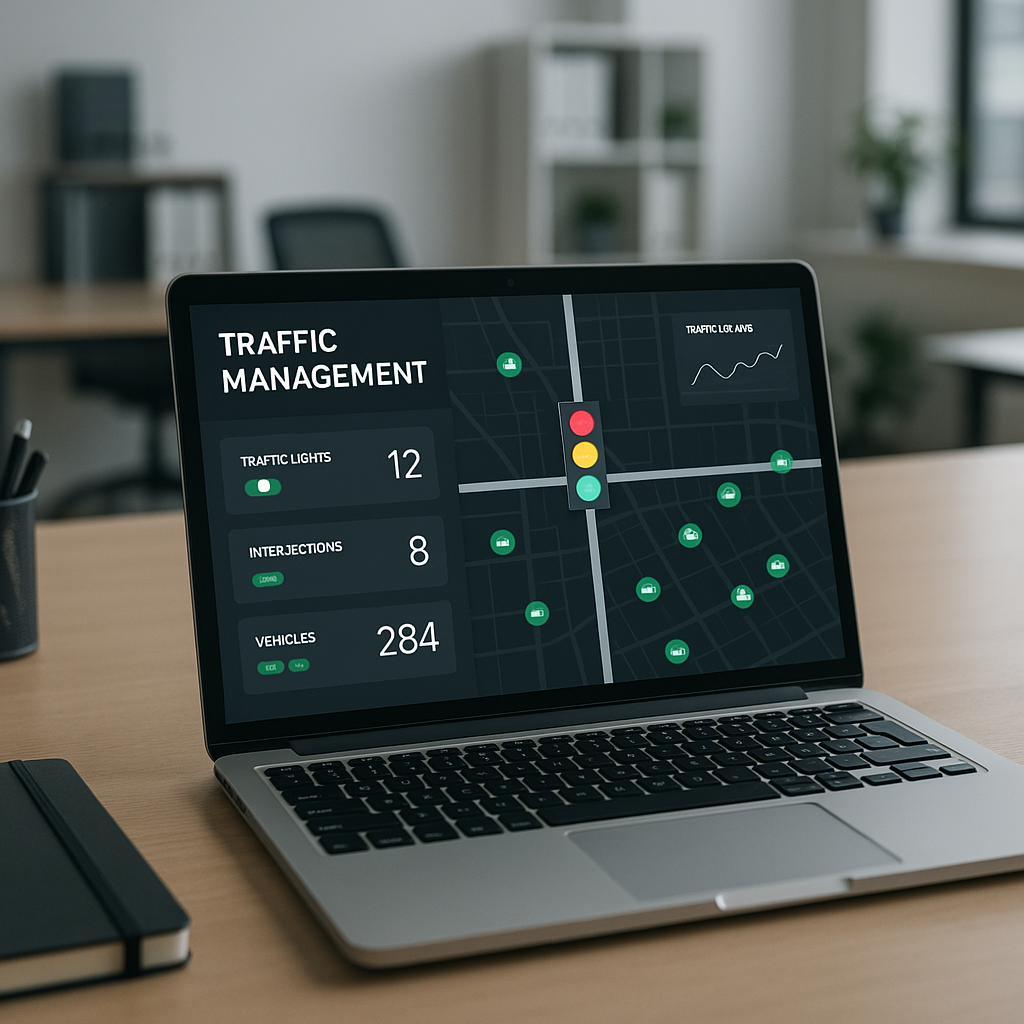
On a seemingly ordinary Saturday morning in San Francisco, a fire broke out at one of Pacific Gas & Electric’s substations, leading to a substantial power outage affecting around 130,000 customers. The loss of power disabled traffic lights throughout the city, leaving Waymo’s autonomous vehicles stranded at intersections, waiting for directions that they could no longer receive. This also resulted in the suspension of ride-hailing services as safety and reliability were compromised.
Waymo’s communication following the incident stated that their team was working closely with city officials to restore operations. While they did not elaborate on why the autonomous vehicles were incapacitated, the situation emphasizes that reliance on external signals—like traffic lights—remains a challenge, even for sophisticated self-driving technology.
## How Custom-Built Solutions Can Help
At Best Choice, we understand the importance of enhancing the operational resilience of autonomous solutions in the face of challenges such as power outages. Custom-built solutions can be designed to include backup strategies that allow integration with smart city infrastructure.
### 1. Autonomous Control Systems
Imagine a scenario where your city’s infrastructure can be directly integrated with autonomous vehicle operation systems. Custom-built solutions could enable vehicles to communicate with each other and derive alternate routes, irrespective of power supply. This would empower vehicles to maintain functionality even when traditional traffic control systems fail.
### 2. Data Analytics and Predictive Maintenance
Harnessing data analytics allows us to foresee power demand trends and anticipate potential outages. An automated system can then alert businesses and services to take preemptive measures, keeping operations smooth. For instance, a clinic that relies on autonomous vehicles for patient pickups could implement systems that reroute based on real-time data.
### 3. Enhanced Communication Protocols
Custom-built architectures can enhance the communication protocols between vehicles and their operating environment, creating a layer of autonomy that does not fall under the sole purview of city infrastructure. Such protocols could work with sensors and GPS to provide guidance, ensuring that vehicles can navigate more efficiently during outages.
## Leveraging Popular Open-Source Solutions
While customized systems are essential, incorporating popular open-source solutions can also improve operational standards. In Denmark and across Europe, developers are utilizing frameworks such as ROS (Robot Operating System) to create adaptable robotics applications.
### 4. ROS for Autonomous Vehicles
The ability to use ROS can allow developers to share advancements and solutions for issues like vehicle navigation during outages. Collaborative open-source projects can spur innovation, enabling quickly adaptable systems that respond efficiently to disruptions, ensuring that operations are less likely to come to a halt.
### 5. Cloud Infrastructure
Emphasizing the use of cloud-based solutions can further safeguard operations from local power outages. Companies can implement business continuity plans to ensure that important data and operational control systems remain accessible from alternate locations.
## Conclusion
The recent interruption in San Francisco serves as a reminder that no technology is without its limitations. It emphasizes the importance of developing robust, resilient systems that can adapt to real-world challenges.
At Best Choice, we are dedicated to helping you navigate these complexities by implementing custom-built solutions designed to enhance the functionality and reliability of your operations. If you’re looking to bolster your business against unexpected occurrences, we invite you to reach out. Let’s build a more resilient future together.
Contact us today at Best Choice to discover more about how we can help transform your operational frameworks and integrate innovative solutions that work for you.