Understanding the Implications of Copyright in AI Development
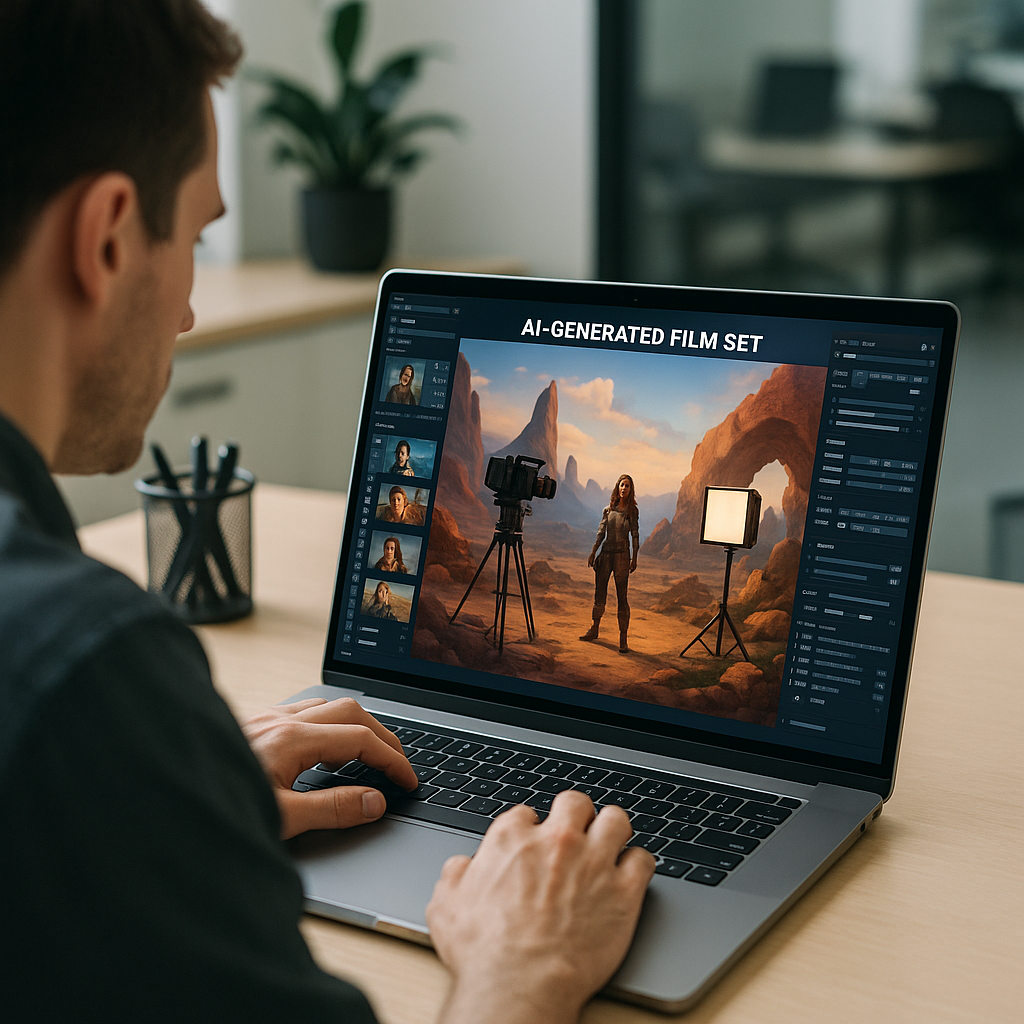
In today’s fast-paced digital landscape, the rise of artificial intelligence (AI) has changed the game for businesses across all sectors, from entertainment to retail. However, with great innovation comes equally pressing concerns about intellectual property rights. Recently, Disney, a titan in the entertainment world, launched a legal complaint against ByteDance, asserting that its new generative AI tool, Seedance 2.0, utilized copyrighted works without permission. This situation serves as a beneficial case study for understanding the intersection of creativity, technology, and legality.
As businesses and entrepreneurs, we must navigate the complexities of copyright as we leverage AI technologies for growth and efficiency. While AI can streamline processes, enhance creativity, and optimize productivity, it is crucial to be mindful of the regulations surrounding intellectual property. Understanding these laws not only protects your business from potential lawsuits, but also fosters innovation that respects the rights of creators.
The Crux of Disney’s Complaint
Disney’s cease-and-desist letter to ByteDance highlighted a significant issue affecting the AI landscape: the use of copyrighted characters in AI training. The letter accused ByteDance of developing Seedance with a “pirated library” of Disney’s characters, ranging from the iconic heroes of Marvel to the legendary figures from Star Wars. This claim is substantiated by examples of Seedance videos that prominently feature copyrighted Disney characters such as Spider-Man and Darth Vader.
This incident not only showcases Disney’s active enforcement of its intellectual property rights but also emphasizes the need for AI developers to acquire proper permissions for any copyrighted content they plan to use. The legal ramifications could be severe, impacting not just the companies involved, but also the wider AI community’s reputation.
Why Copyright Matters in AI
The clash between Disney and ByteDance underlines a broader issue regarding the rights of content creators in the age of AI. As a decision-maker or entrepreneur, it is vital to recognize that copyright laws exist to protect and incentivize creativity. Here are some reasons why you should care:
- Legal Protection: Understanding copyright helps you avoid costly legal disputes that could arise from unpermitted use of copyrighted material.
- Reputation Management: Upholding copyright standards positions your company as a responsible innovator, enhancing your brand’s reputation.
- Collaborative Opportunities: Respecting copyright opens doors for potential partnerships with creators, as seen in Disney’s licensing agreement with OpenAI.
Avoiding ‘Smash-and-Grab’ Tactics
As Disney’s letter suggests, using copyrighted works as if they are public domain can damage your business’s credibility and result in severe consequences. Here are a few actionable tips for ensuring that your AI initiatives comply with copyright laws:
- Conduct Thorough Research: Anytime you plan to use existing media to power your AI applications, conduct a comprehensive review of copyright status and licensing options.
- Acquire Necessary Licenses: Establish partnerships with copyright holders to ensure that your AI models utilize licensed content, which can also lead to collaborative opportunities.
- Educate Your Team: Ensure that your workforce understands copyright laws and their implications, thereby fostering an environment that respects creators’ rights.
Utilizing Open-Source Solutions Wisely
While some companies may be tempted to cut corners by relying on open-source solutions with questionable copyright status, it’s essential to choose reputable platforms that value legal integrity. Solutions like TensorFlow or PyTorch are great for developing AI models but always verify the licensing conditions attached to the datasets you plan to use.
Leveraging Custom Solutions for Growth
At Best Choice, we understand the value of bespoke solutions tailored to fit your specific needs while adhering to existing legal frameworks. When we design your AI applications, we meticulously ensure that they comply with copyright regulations, avoiding any potential pitfalls that could hinder your business success. Whether you run a coffee shop that wants to use AI for customer engagement, a warehouse that seeks automation, or an online store aiming for efficient inventory management, our team has the expertise to build a solution that respects intellectual property laws.
Improving Business Processes through Ethical AI Integration
Many sectors, including clinics, booking services, and retail, can leverage AI to streamline their operations and boost revenues. For example, a clinic can implement an AI chatbot to handle patient inquiries, automating routine tasks and improving patient satisfaction. An online store can utilize AI for personalized marketing, leading to increased sales.
By collaborating with us at Best Choice, you can seamlessly integrate AI into your business operations while ensuring adherence to copyright laws, ultimately driving profitability and efficiency.
Conclusion
As you navigate the opportunities AI presents, it is crucial to remain vigilant about copyright concerns. The legal battle between Disney and ByteDance is a reminder of the importance of maintaining integrity in the creative industry. By staying informed and respectful of intellectual property rights, you not only safeguard your business but also contribute to a healthier and more innovative technological landscape.
If you’re in need of help navigating copyright issues while exploring custom AI solutions, contact us at Best Choice. Together, we can drive your business forward ethically and effectively.