Why Are There So Many Fast Charging Standards, and What’s the Difference Between Them?
As a business decision-maker or entrepreneur, you likely depend on technology to keep your operations running smoothly. One vital aspect of this technology is fast charging, which can significantly influence how efficiently you and your team work. Just think about the implications of running low on battery during a crucial video call or while managing your online store’s inventory. At Best Choice, we understand how important it is to keep your devices charged and operational. But why are there so many different fast charging standards? In this article, we’ll delve into the world of USB-C fast charging, clarifying the standards and their differences to help you make informed decisions for your business needs.
The fast charging landscape can be overwhelming, with various technologies, brands, and standards confusing the average consumer—and even savvy entrepreneurs. The increasing reliance on mobile devices and IoT solutions in enterprises across Denmark and Europe makes familiarizing yourself with these charging standards all the more critical for seamless operations. At Best Choice, we not only provide top-notch solutions tailored to your business requirements, but we also want to ensure that the technology fueling those solutions works efficiently.
Understanding Fast Charging Standards
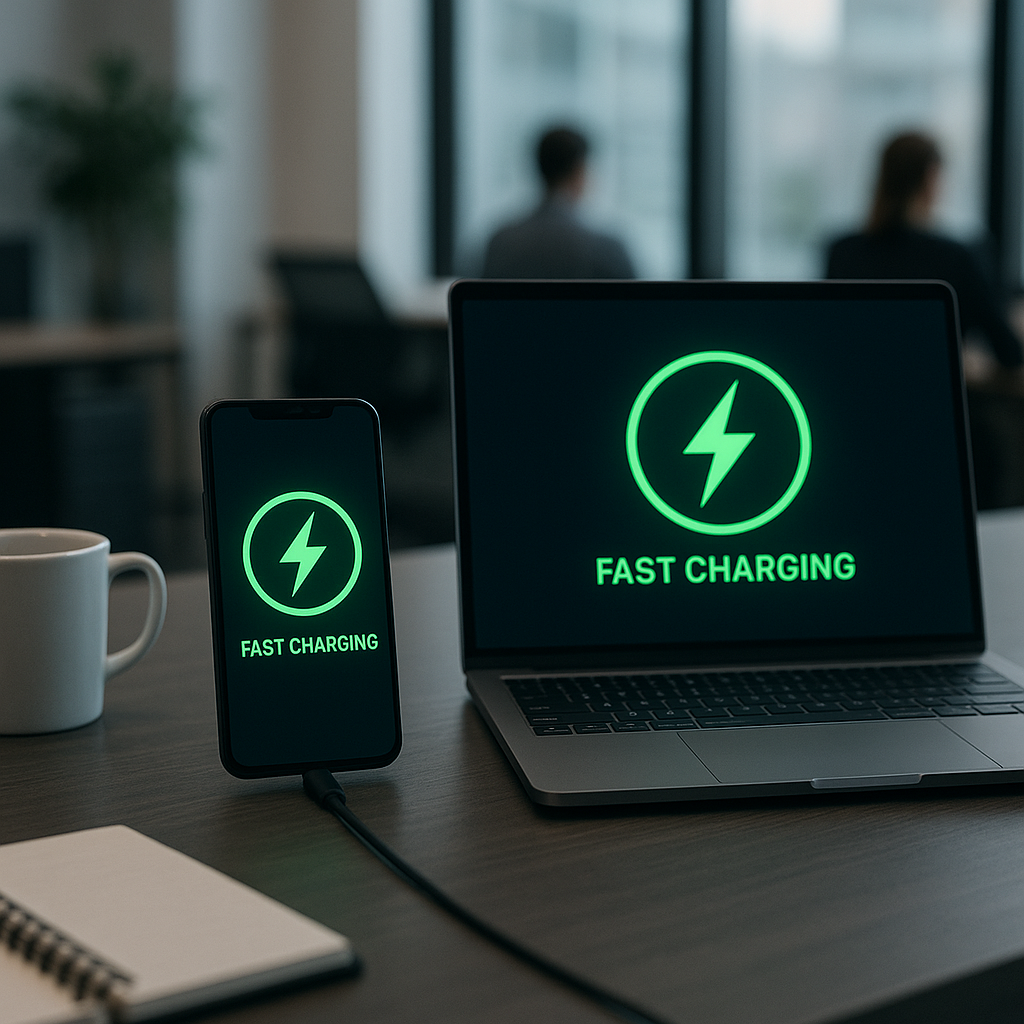
At its core, fast charging is all about delivering power to your devices more quickly than traditional methods. While conventional USB chargers typically offer 5V at 1A (5W), fast charging standards can significantly boost this output, allowing you to charge devices multiple times faster. Here are some prominent standards in the fast-charging ecosystem:
1. USB Power Delivery (USB PD)
USB Power Delivery is a universal standard that allows for up to 100W of power to be delivered over a USB-C cable. This flexibility is critical for entrepreneurs using a variety of devices, including laptops, tablets, and smartphones. For example, a web development project requiring extensive use of a laptop can be charged swiftly, reducing downtime.
2. Qualcomm Quick Charge
Qualcomm’s Quick Charge is another widely adopted standard, especially among Android devices. It allows for higher voltage charging (up to 20V), enabling quicker energy transfers. If you’re running a cafe and your staff relies heavily on tablets for managing orders, employing devices that utilize Quick Charge can keep your operations running smoothly during peak hours.
3. Huawei SuperCharge
Huawei’s SuperCharge can deliver remarkable charging speeds often reaching up to 40W. If you manage an online store and receive live updates on sales activity, a device powered by SuperCharge ensures that your phone charges rapidly during your lunch break, allowing you to stay connected without interruptions.
4. Oppo VOOC / OnePlus Warp Charge
Oppo’s VOOC and OnePlus’s Warp Charge are proprietary fast-charging technologies providing extraordinary speeds by lowering the voltage and increasing the current—reaching up to 65W. These can be particularly beneficial for businesses offering services that require high levels of mobility, like an on-location booking service. With these charging solutions, you can be up and running quickly between client appointments.
5. Apple Fast Charging
Apple’s Fast Charging technology works through USB PD and is applicable to iPhones and iPads. Understanding this standard is vital if you’re entrenched in the Apple ecosystem. If you’re managing a clinic, Apple’s Fast Charging ensures that your healthcare staff can quickly charge devices between shifts, keeping essential applications and services readily accessible.
Key Takeaways for Your Business
With various fast-charging standards available, knowing which one works best for your business needs is crucial. Here are some actionable tips:
- Understand Your Devices: Check the fast charging compatibility of your devices. Knowing whether USB PD, Quick Charge, or another standard is suitable can save you time and boost productivity.
- Invest in Quality Accessories: Use certified chargers and cables as substitutes can lead to decreased speed and efficiency, or even potential damage to devices.
- Plan for Downtime: Even with fast-charging capabilities, it’s essential to plan for battery management to keep devices functional at all times.
- Incorporate Smart Charging Stations: Implementing charging stations in your office equipped with multiple fast-charging ports can streamline the way your team keeps devices powered.
Conclusion
Fast charging is more than just a convenience; it’s a strategic advantage that can highly influence the efficiency of your operations. By adapting to the myriad fast charging standards available, you’ll ensure uninterrupted productivity for your team. If you’re considering how to integrate these fast charging solutions into your existing IT infrastructure, Best Choice is here to help. Our expertise ensures your business can seamlessly stay connected, allowing you to focus on what matters most.