Are USB Flash Drives Becoming Obsolete?
In today’s digital landscape, technology evolves at a rapid pace, leading many to wonder about the relevance of specific tools used in the business world. One such tool that has served us well for years is the USB flash drive. While it has become a staple of data storage and transfer, I frequently hear discussions questioning its usefulness in a world driven by cloud storage, mobile devices, and other modern solutions. As a decision-maker or entrepreneur, it’s crucial to understand the implications of this shift and explore how we at Best Choice can provide tailored solutions that cater to the ever-changing needs of your business.
Let’s delve deeper into the current conversation around USB flash drives, analyze their functionality, and explore alternative methods to manage and store your data more efficiently. By doing this, you’ll be equipped with insights to determine if continuing to use USB drives is the best option for your business or whether it’s time to embrace new technology.
The Enduring Appeal of USB Flash Drives
USB flash drives have been around since their initial introduction in the late 1990s. They are portable, convenient, and widely compatible with various devices. Many businesses still rely on USB drives for transporting files, presenting data during meetings, or providing clients with necessary documents. From cafes saving customer transaction data to online retailers backing up product information, USB drives have been trusted companions.
When USB Flash Drives Shine
- Portability: Their small size makes them easy to carry, perfect for on-the-go professionals.
- Ease of use: Plug-and-play functionality allows users to transfer data effortlessly between devices.
- Cost-effective: With prices drastically falling, they remain an affordable option for data storage.
However, the Landscape is Changing
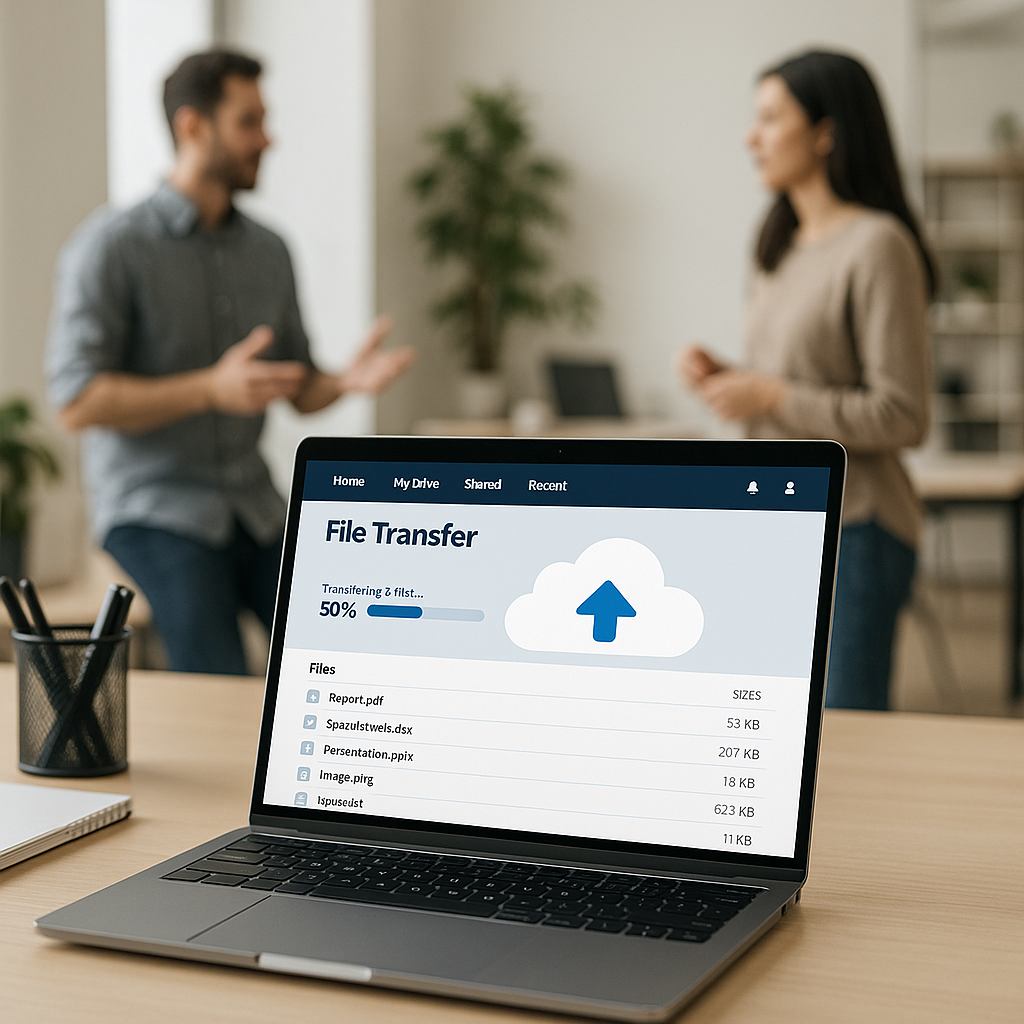
Despite their advantages, the growing popularity of cloud storage solutions signals a shift. These solutions offer numerous features that USB drives can’t match, like remote access, enhanced collaboration, and automatic backups. As we work with various clients, we at Best Choice have seen how embracing cloud solutions can enhance business workflows and improve data management.
The Rise of Cloud Storage
Cloud storage services like Google Drive and Dropbox are not just trendy alternatives—they provide vital capabilities that can transform your business operations. For instance, a warehouse management system that utilizes RFID technology might find it more efficient to store inventory data in the cloud. This method allows instant updates and access from multiple devices—and significantly boosts operational efficiency. Here are some key benefits of making the switch:
- Accessibility: Access your files from anywhere, anytime—no more searching for that flash drive in your bag.
- Collaboration: Easily share and collaborate with team members or clients in real time.
- Backup and Security: Automatic backups safeguard your files from loss or damage, reducing risks associated with physical drives.
Seamless Integration with Business Operations
In some cases, businesses still find value in a hybrid approach—combining the reliability of USB drives with the benefits of cloud solutions. At Best Choice, we can customize solutions that integrate both methods effectively. For instance, if you run a clinic, you can employ a secure cloud system to manage patient records while using USB drives for mobile access during outreach programs.
Case Study: A Local Cafe
Consider a small local cafe that manages an extensive menu and customer orders. While they might initially use USB flash drives to transport sales data to their accountant, adopting an integrated Point of Sale (POS) system linked to a cloud-based platform would streamline operations. When facing a surge of customers, the staff could focus on service instead of data transfer, enhancing their efficiency and customer satisfaction.
Overcoming Common Concerns About Cloud Storage
As appealing as cloud solutions sound, there are hesitations that often arise, including concerns about data security, reliability, and potential costs. We recognize that these concerns are valid, and that’s where we come in. At Best Choice, we can guide you through the selection process to implement a secure cloud infrastructure tailored to your needs. Whether it’s setting up a private cloud or providing robust data protection protocols, we’re equipped to help.
Steps to Transition from USB to Cloud
- Evaluate Your Needs: Analyze your data requirements and determine which files or systems would benefit from cloud integration.
- Choose the Right Service: Partner with trusted cloud service providers that suit your business size and sector.
- Implement Gradually: Start by migrating non-sensitive files and gradually move towards full integration, assessing the process along the way.
Conclusion
While USB flash drives have served us well over the years, it’s clear the future is leaning heavily toward cloud solutions. The benefits of flexibility, accessibility, and efficiency are hard to ignore. Whether you’re running a small café or managing an extensive clinic, the right digital solutions can automate routine tasks and enable you to focus on what truly matters—growing your business.
If you’re ready to explore how Best Choice can assist you in moving towards efficient, modern data management solutions, don’t hesitate to contact us today. We’re here to help you make the right choices for your business’s technology needs.