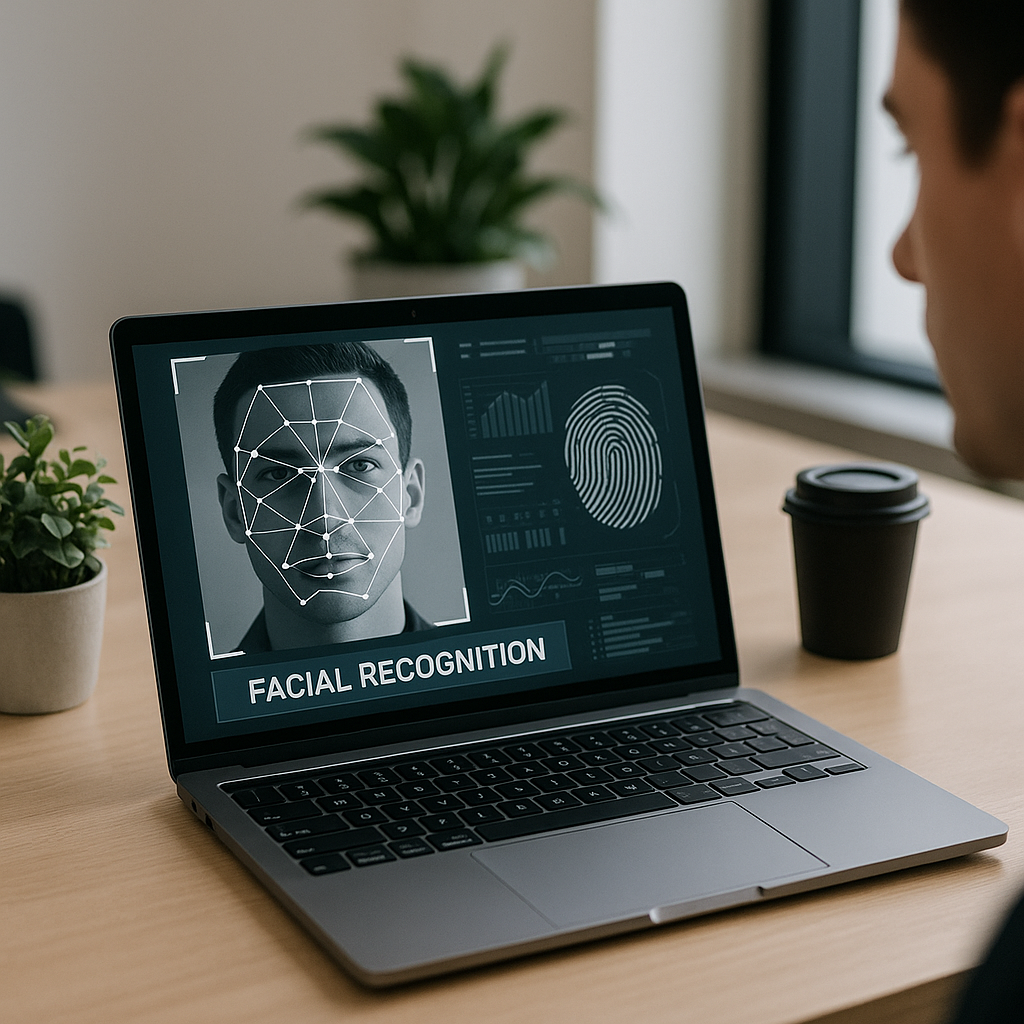
Is Facial Recognition the Future of Smart Glasses? Insights from Meta’s New Strategy
As businesses look to innovate and redefine user experiences, one major player, Meta, is making headlines with its plans to reintroduce facial recognition technology in smart glasses. Known for its innovative approaches, Meta previously distanced itself from this controversial tech due to privacy and ethical concerns. However, a recent report from The New York Times has unveiled the company’s intention to roll out this feature, codenamed “Name Tag,” in its smart eyewear lineup.
This potential shift in strategy is particularly significant given the mounting discussions surrounding data privacy and user consent. For entrepreneurs and business decision-makers like you, understanding these developments is vital, especially if you’re considering integrating cutting-edge technologies into your offerings. Let’s explore how this technology could reshape interactions and workflows across various sectors.
Understanding the Mechanism: How Facial Recognition in Smart Glasses Works
Meta’s “Name Tag” feature is designed to enable users of their smart glasses—partnered with brands like Oakley and Ray-Ban—to recognize individuals through facial recognition powered by artificial intelligence. Imagine a café owner or a retail store manager wearing these glasses; they might effortlessly identify regular customers or glean essential information about them directly from their profiles or social media interactions.
This immediate access to information can enhance customer experience, streamline service delivery, and foster a more personal connection with clients. For example, if a barista knows a returning customer’s favorite drink or a clothing store associate remembers a client’s preferred style, this can lead to increased satisfaction and loyalty.
Challenges and Risks: Privacy and Ethical Considerations
The introduction of facial recognition technology isn’t without its challenges. Privacy and ethical concerns have historically been red flags for both consumers and businesses. After Meta’s previous decision to retract its Facebook facial recognition system in 2021 due to backlash, this renewed effort carries significant implications.
As a business, you must navigate these risks carefully. Implementing such technologies can lead to backlash if not handled transparently. It is crucial to establish a clear privacy policy, obtain user consent when necessary, and ensure that your usage of technology prioritizes customer trust.
Strategic Timing: The Political Landscape
Interestingly, Meta’s decision to forge ahead with this feature during a time of political instability in the United States may be a calculated move. An internal memo suggested that civil society groups focused on other pressing issues wouldn’t concentrate resources on challenging Meta’s developments at this moment. For businesses, understanding the external environment can be as important as the technology itself; using timing to your advantage can create new opportunities.
Competitive Edge: Staying Ahead in the Smart Glasses Market
With the smart glasses market becoming increasingly competitive, integrating facial recognition features could set Meta apart from rivals. As a business leader, staying updated on emerging tech trends within your industry can provide a competitive advantage. If you’re considering developing an app or smart device, adopting similar AI-driven functionalities may appeal to modern consumers looking for personalized interactions. Think of how an online store could leverage customer data to provide tailored product suggestions or exclusive deals.
Exploring Alternatives: Open-Source Solutions
For many entrepreneurs, open-source solutions offer an attractive alternative in implementing facial recognition technology without the constraints posed by proprietary systems. Tools such as OpenCV and Dlib provide robust libraries for face detection and recognition that can be tailored to specific business needs.
These technologies can be integrated into custom applications, enhancing customer interactions in various sectors—from clinics recalling patient information at appointments to warehouses tracking items based on employee identification. Ensuring seamless integration of such technologies into existing systems is vital for maximizing efficiency and user satisfaction.
Enhancing Your Business with Third-Party Integrations
While companies like Meta are pushing boundaries with custom solutions, integrating third-party platforms can also yield remarkable results. For example, connecting your customer relationship management (CRM) system with facial recognition data can allow for personalized marketing approaches, targeted promotions, and streamlined customer service.
We at Best Choice specialize in integrating advanced technologies with existing system architectures, ensuring that your business can take full advantage of innovative solutions while maintaining operational integrity.
Conclusion: Moving Forward with Confidence
Meta’s foray into facial recognition with smart glasses presents opportunities and challenges that cannot be ignored. As you consider technology’s role in your business, remember that leveraging innovation should always come hand-in-hand with ethical practices and customer trust.
If you’re interested in exploring how advanced technologies can improve your business workflows and customer experiences, don’t hesitate to contact us at Best Choice. We’re here to help you navigate these exciting opportunities and create customized solutions tailored to your needs.