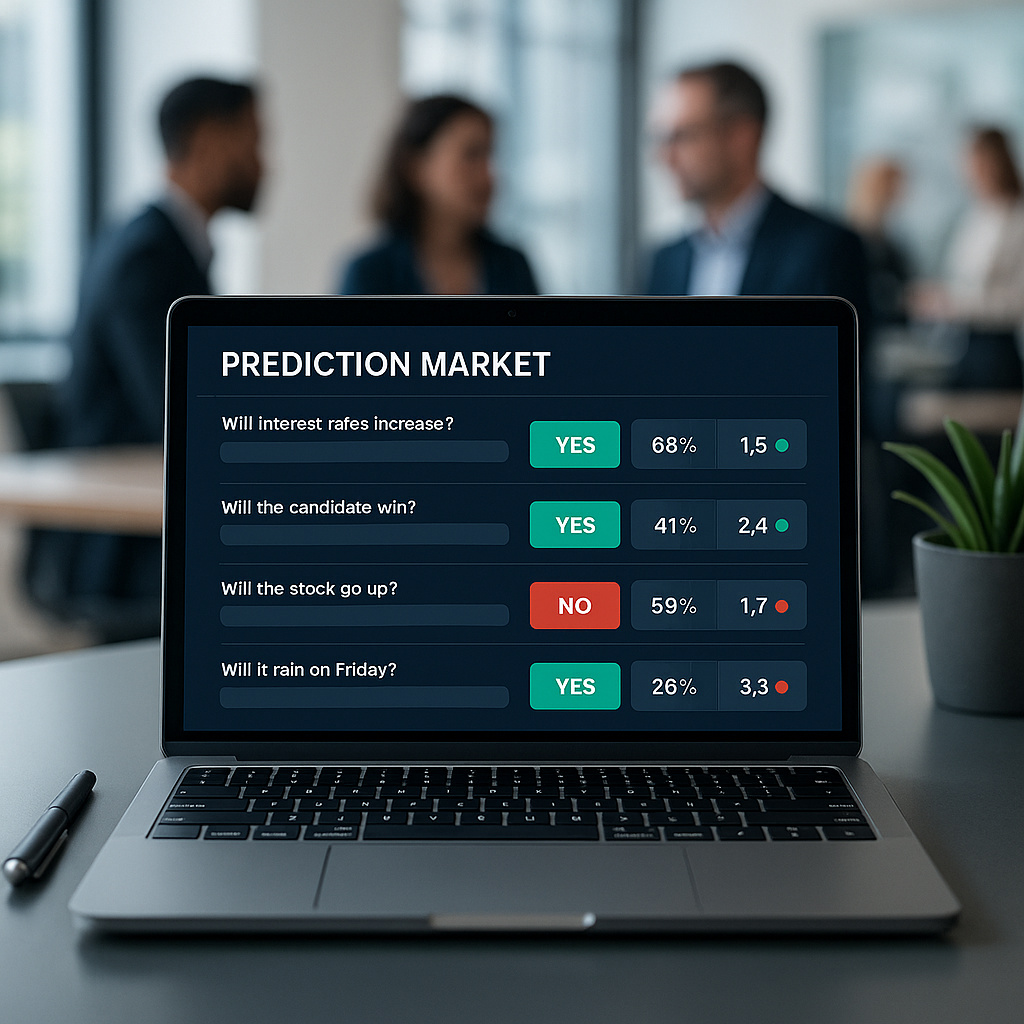
# Engaging with the Future: The Rise of Prediction Markets
In an increasingly interconnected world, it seems there’s nothing people won’t bet on, and platforms like Polymarket and Kalshi are at the forefront of this curious trend. These prediction markets allow individuals to wager on various outcomes, from political events to consumer product success. But what does this mean for society, and more importantly, for you as a business decision-maker? Today, I want to unravel the implications of prediction markets and whether they enrich or diminish our decision-making landscape.
As a business consultant at Best Choice, I’ve seen how technology shapes our decision-making processes. With prediction markets gaining traction, it’s crucial to understand their benefits, challenges, and potential applications for businesses like yours. Let’s dive in.
## The Mechanisms Behind Prediction Markets
Prediction markets allow participants to buy and sell shares in the outcomes of events. Prices fluctuate based on the perceived likelihood of an outcome occurring, creating a fascinating intersection of betting and market economics. These platforms gather real-time data and sentiments, acting like a digital crystal ball.
For example, if you run a trendy cafe and are considering introducing a new menu item, a prediction market can be a tool to gauge public interest. By placing a bet on whether the item will be a hit, you can harness collective insights to inform your decision. The wisdom of the crowd often delivers more accurate predictions than traditional focus groups.
### Why Are Prediction Markets Becoming Popular?
Predictive capabilities are not new, but their mainstream acceptance is. Social media’s role in shaping public discourse is immense, and prediction markets tap into this energy. They enable stakeholders to voice opinions and bet on outcomes, providing a vibrantly interactive experience.
For decision-makers, these markets can serve as an additional layer of intelligence. Instead of solely relying on past sales data or consumer surveys, we can leverage these platforms to assess future demands—an invaluable resource for any business hoping to stay ahead of the competition.
## The Pros and Cons of Gambling on Outcomes
Like any emerging trend, prediction markets come with their own set of pros and cons:
### The Pros
1. **Data-Driven Insights**: The aggregation of diverse opinions gives businesses a clearer picture of possible outcomes.
2. **Engagement and Proactivity**: Betting on outcomes can encourage stakeholders to think actively about the future, fostering a culture of responsiveness.
3. **Crowdsourcing Knowledge**: Unlike traditional market research, these markets democratize knowledge, leading to potentially better-informed decisions.
### The Cons
1. **Speculation Overload**: The inherent gamble involved can lead to reckless speculation, shifting focus away from rational decision making.
2. **Ethical Considerations**: Placing bets on some events may lead to moral dilemmas, especially if they involve sensitive topics.
3. **Regulatory Concerns**: As prediction markets grow, legal frameworks struggle to catch up, which can create uncertainty for businesses.
## Real-World Applications: Beyond the Betting Slip
### Case Study 1: E-commerce Trends
Imagine you’re running an online store specializing in outdoor gear. By participating in a prediction market focused on the future pricing trends of popular outdoor brands, you can make informed purchasing decisions. If the market indicates a rise in prices, you might choose to stock up early, ensuring you maintain competitive pricing.
### Case Study 2: Healthcare Decisions
In a clinical setting, prediction markets could facilitate medical research funding. If stakeholders can bet on the success of certain medical trials, this could streamline the allocation of resources toward research with a higher likelihood of success, ensuring that investments are driven by collective insights.
### Case Study 3: Marketing Launches
For companies launching a new product, prediction markets provide critical feedback before the official launch. Whether it’s a new smartphone app or an innovative beverage, these platforms can guide marketing strategies by revealing user preferences.
## Integrating Prediction Markets into Business Strategy
Here are actionable steps you can apply to leverage prediction markets in your organization:
1. **Stay Informed**: Regularly track prediction markets relevant to your industry. Platforms like Polymarket can provide invaluable insights.
2. **Test the Waters**: Before making significant investments, consider running small-scale prediction market tests on new product ideas to gauge interest.
3. **Engage Employees**: Foster a culture that encourages employees to share insights and predictions about future trends, utilizing both internal discussions and external platforms.
4. **Monitor Competitors**: By watching how competitors engage with prediction markets, you can learn about their strategies and consumer perceptions.
5. **Consult Experts**: If you’re unsure about diving into prediction markets, consult with firms like Best Choice. We can guide you through setting up and integrating these platforms into your business strategy.
## Conclusion: Navigate the Future with Confidence
The world of prediction markets is ripe with potential for savvy business leaders looking to enhance their decision-making landscape. While they come with risks, the benefits of data-driven insights and collective wisdom are compelling for businesses willing to adapt.
At Best Choice, we keenly focus on harnessing modern technologies to help businesses like yours streamline processes, enhance workflows, and ultimately boost revenue. If you’re curious about how to implement these cutting-edge solutions, don’t hesitate to reach out. Together, we can navigate this new terrain and capitalize on the opportunities it presents.