# Three Publishers Challenge Google Over AI Copyright Infringement: What This Means for Your Business
In today’s digital landscape, artificial intelligence (AI) is becoming an integral part of how businesses operate. However, as AI technologies pull data from various sources to improve their accuracy and efficiency, concerns about copyright infringement have surged. Recently, three publishers have taken the significant step of challenging Google over accusations of AI copyright infringement. This latest development underscores the ongoing struggle between traditional content creators and powerful tech companies. As we navigate these complex issues, it’s vital for business decision-makers like you to understand how they may impact your operations.
At Best Choice, we believe that keeping abreast of the evolving relationship between AI and copyright laws is crucial. It not only affects content creators but also impacts how businesses harness AI technologies. This article will delve into the implications of such challenges and what it means for the future of AI and business automation. Let’s explore how customized AI solutions can streamline your operations while ensuring you stay within legal boundaries.
Unpacking the Challenge: What Are Publishers Claiming?
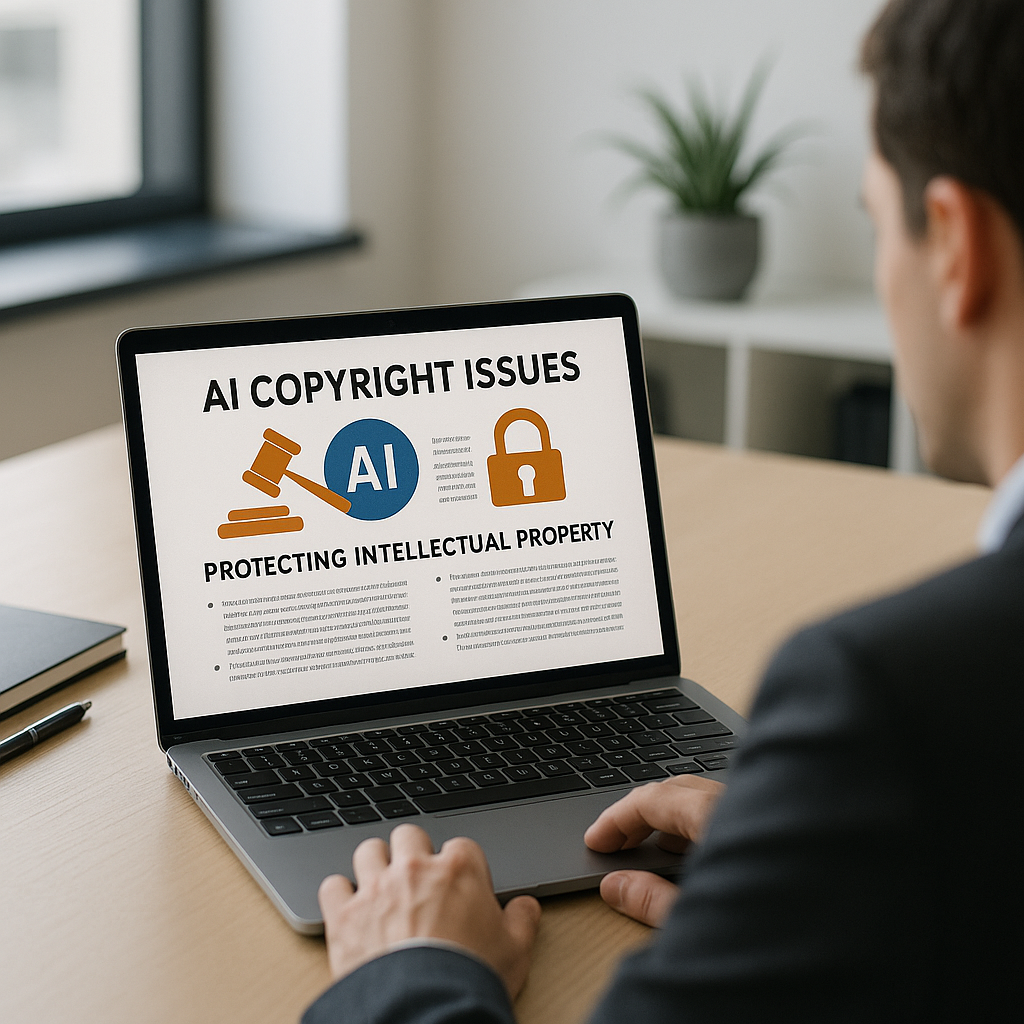
The publishers’ lawsuit against Google is centered around the issue of how AI systems are trained. Essentially, they argue that Google’s AI models utilize protected content without permission, thus infringing on copyright laws. This is not just a legal battle; it reflects a broader concern that creatives may not be adequately compensated for their work, which AI systems use to learn and develop.
It’s important for businesses to recognize the stakes involved here. When AI systems are improperly trained using copyrighted materials, it can lead to potential legal ramifications for companies utilizing such technologies. Understanding these challenges can inform how you adopt AI solutions—ensuring compliance while maximizing performance.
Custom-Built AI Solutions: Your Best Defense
At Best Choice, we offer custom-built AI solutions tailored specifically for your business needs. These solutions are designed to operate within legal guidelines, effectively mitigating risks associated with copyright infringement. By employing proprietary algorithms and unique training data sets, we ensure that your AI applications are not only powerful but also respectful of intellectual property rights.
For example, consider a local café that uses an AI chatbot to handle customer orders. By developing a custom AI solution, the café can ensure that the chatbot is trained on authorized content, thus avoiding potential copyright issues while enhancing customer experience. Furthermore, a well-designed AI tool can improve workflow efficiency, reduce order errors, and ultimately boost customer satisfaction and revenue.
Popular Open-Source Solutions: A Cautionary Tale
While exploring AI options, many businesses in Denmark and Europe may consider using open-source platforms. These tools can provide a low-cost entry point for integrating AI capabilities. However, it’s crucial to understand that using open-source solutions can come with risks, particularly if the source of the training data is questionable.
We at Best Choice recommend that businesses exercise caution when using open-source AI solutions. Ensure that the tools you choose are compliant with copyright laws to avoid potential legal disputes. We can help you evaluate open-source options while ensuring they align with your business goals and legal requirements.
Real-World Examples of Copyright Compliance in AI
One prime example is a warehouse business that implemented AI-driven inventory management systems. By developing a custom solution in collaboration with our team, the warehouse was able to streamline its operations while adhering to copyright guidelines. The AI was trained exclusively on the business’s internal data, providing unique insights that enhanced efficiency without the risk of unintended copyright issues.
In contrast, consider an online store that integrated a third-party AI marketing tool without ensuring compliance with copyright laws. This resulted in a costly legal battle, highlighting the importance of choosing the right AI technology and ensuring its training aligns with legal standards.
Actionable Tips for Businesses:
- Assess Your AI Needs: Before integrating AI, evaluate your specific requirements. What problems are you trying to solve, and how can AI help?
- Customized Solutions Are Key: Always opt for custom-built solutions whenever possible. They offer a tailored approach that ensures compliance and fits your business model perfectly.
- Stay Informed: Keep abreast of copyright laws and industry developments. Understanding the landscape can guide your business strategies and AI adoption.
- Collaborate with Professionals: Work with consulting firms like Best Choice to navigate the challenges of AI implementation, ensuring you’re not only compliant but also maximizing your return on investment.
The Advantages of Complying with Copyrights
Being proactive about copyright compliance benefits your business in several ways. Not only does it protect you from potential legal repercussions, but it also establishes your brand as a trustworthy player in your industry. By respecting the rights of content creators, you foster a collaborative spirit which can lead to beneficial partnerships and projects down the line.
In summary, as AI continues to evolve and integrate into our businesses, understanding and adhering to copyright laws will be crucial. The ongoing challenges posed by publishers to tech giants like Google are a stark reminder for us all to be aware.
If you’re looking to implement AI solutions that respect copyright laws and enhance your business operations, I invite you to reach out to Best Choice. Let’s work together to create a customized solution that fits your needs and propels your business forward.