# Big Tech’s New Commitment: Shielding Your Electric Bill from AI Data Centers
In today’s tech-driven world, the rapid expansion of artificial intelligence (AI) is influencing various aspects of our lives. However, as governments and tech companies push the boundaries of innovation, concerns arise about the environmental and economic impacts of this growth — especially when it comes to electricity consumption. We at Best Choice understand that as a business leader, you’re concerned about how these developments can affect both your operational costs and broader community well-being.
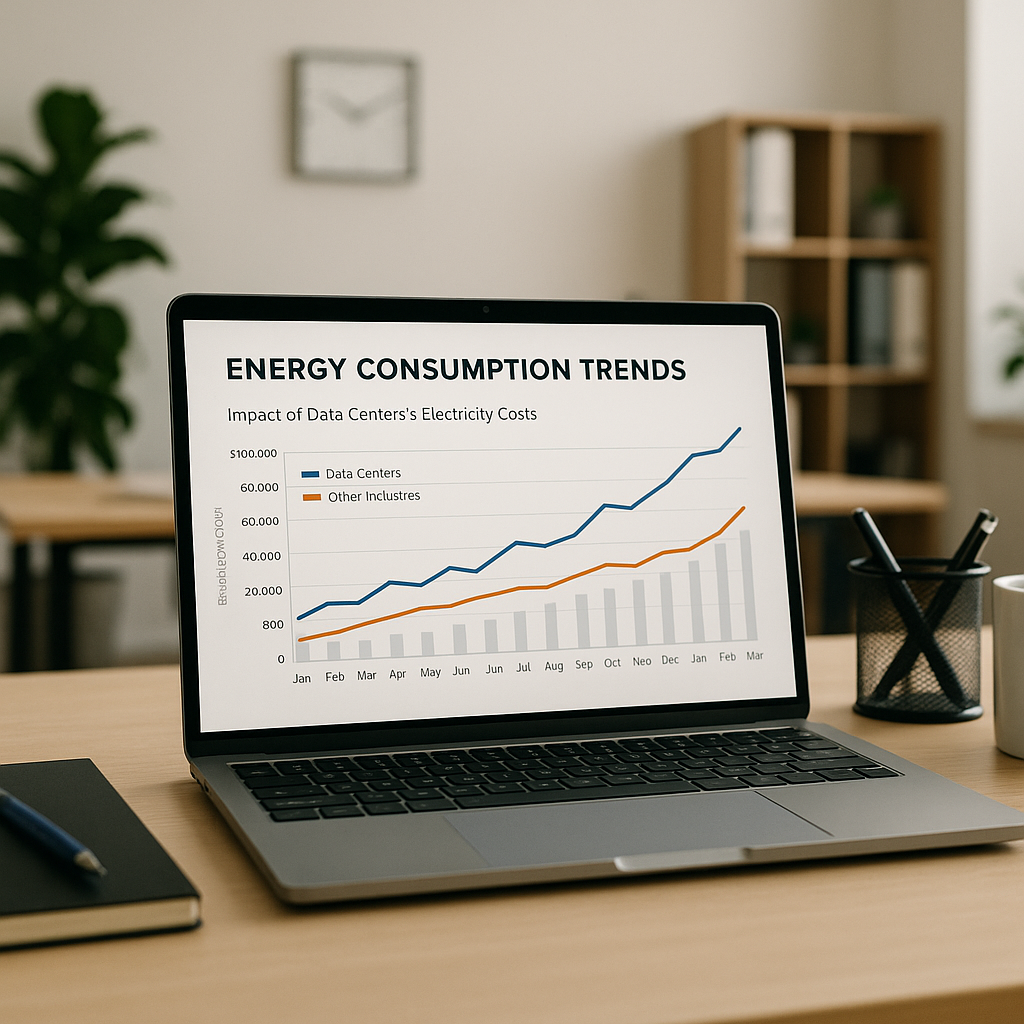
Recently, the White House announced that several major players in the tech and AI sectors, including Amazon, Google, Meta, Microsoft, OpenAI, Oracle, and xAI, have signed on to a voluntary initiative called the Ratepayer Protection Pledge. This commitment aims to mitigate the rising electricity costs associated with the burgeoning demand for data centers. In this article, we’ll delve into how these pledges influence both individuals and businesses, while also outlining actionable steps you can take to manage your tech needs sustainably.
Understanding the Ratepayer Protection Pledge
The heart of the Ratepayer Protection Pledge lies in its commitment to responsible resource management. Here’s what the pledge entails:
- Responsible Demand Management: Companies agree to “build, bring, or buy” the new energy resources required to meet their growing demands without burdening consumers with excessive costs.
- Infrastructure Investment: The tech giants are committed to funding necessary upgrades to power infrastructure, ensuring that it can withstand increased usage due to new data centers.
- Alternative Rate Structures: A promise to offer separate rates for power usage, which will provide more flexibility and financial predictability.
While this pledge sounds promising, we must consider that it is not a legally binding agreement, raising questions about its enforcement and whether it will lead to genuine change.
The Importance of Sustainable Tech Practices
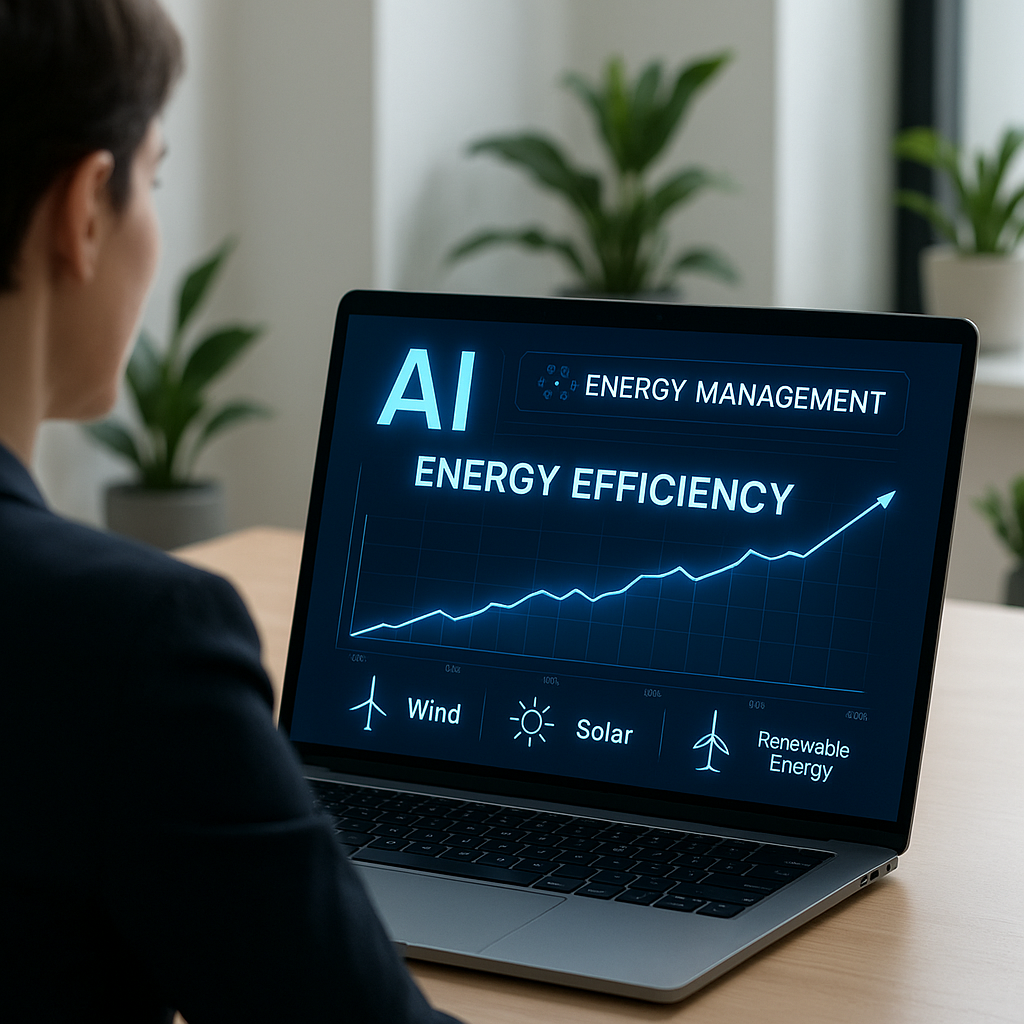
As data centers proliferate, the impact on energy consumption cannot be overlooked. We at Best Choice advocate for sustainable tech practices that not only benefit your business but also support community wellbeing. For instance, a local café operating an online ordering system should consider leveraging cloud services judiciously — opting for providers with dedicated sustainability initiatives.
By using efficient software solutions, the café can streamline its operations, reduce manual errors, and minimize energy consumption. Investing in automation can save time and resources, allowing café owners to focus on enhancing customer experience.
Enhancing Workflow: Real-World Applications
Let’s take a closer look at how various businesses can leverage technology to improve their workflows:
1. Online Stores
By employing a custom-built eCommerce platform, online retailers can optimize product listings, manage inventory more efficiently, and reduce redundant processes. This automation translates to energy savings while maintaining customer satisfaction.
2. Clinics and Booking Services
Healthcare facilities often rely on fixed appointments and infrastructure. By implementing a smart booking system, they can efficiently manage patient flow and reduce power usage. Automating reminders and processing invoices digitally can minimize staff workload, allowing medical professionals to focus on patient care.
3. Warehouses
Integration of IoT (Internet of Things) devices can provide real-time monitoring of systems, ensuring efficient energy consumption. Imagine a warehouse equipped with automated data logs notifying managers of power usage trends — this can lead to significant energy savings and lower operational costs.
Open-Source Solutions: A Cost-Effective Alternative
In Denmark and across Europe, many businesses are adopting open-source solutions as an alternative to commercial software. These solutions are customizable and can often be more sustainable. By utilizing platforms like Odoo for integrated management or WordPress for web presence, businesses can cut down costs while ensuring that their operational infrastructure is resilient and energy-efficient.
Moreover, these systems can be tailored to fit individual business needs, allowing for flexibility as the business grows over time.
Integrating Third-Party Platforms: Enhancing Your Infrastructure
While there are many thriving open-source solutions, sometimes it might be beneficial to integrate third-party services as part of your strategy. For instance, using a CRM system tailored to your business sector—be it healthcare, retail, or logistics—can significantly improve customer interaction and streamline backend processes.
At Best Choice, we specialize in integrating these systems, ensuring they work together seamlessly for your benefit. Our team can help identify the best platforms and customize them to serve your needs effectively.
Conclusion: The Path Forward
The Ratepayer Protection Pledge is a step in the right direction, but as business leaders, we can’t solely depend on corporate commitments. It is essential to proactively adopt solutions that reduce energy consumption and improve operational efficiency.
If you’re reevaluating your tech strategy and looking for sustainable solutions, don’t hesitate to reach out to us at Best Choice. Our team of experts is dedicated to helping you navigate the complexities of technology while ensuring a positive impact on your bottom line and the environment. Let’s work together to shape a sustainable future for your business!