**Title: The Dark Side of AI: A Call for Action Against Nonconsensual Deepfakes**
In a world where technology advances at an unprecedented pace, we find ourselves at a critical juncture. As artificial intelligence (AI) becomes an integral part of our daily lives, we face ethical questions about its use, particularly regarding privacy, consent, and the very essence of truth. The recent controversy surrounding Grok and X, apps that have been accused of generating nonconsensual deepfakes, has sparked outrage and prompted a coalition of advocacy groups to demand action from tech giants Apple and Google. I believe this matter deserves our attention—for the sake of individuals’ rights and the moral principles that should guide technological innovation.
At Best Choice, we are committed to not only utilizing AI responsibly but also to advocating for greater accountability among tech companies. The implications of nonconsensual deepfakes are serious, affecting countless individuals, especially vulnerable populations like children. It’s time to explore the ramifications of these technologies and to understand how we can foster positive change.
### Understanding Nonconsensual Deepfakes
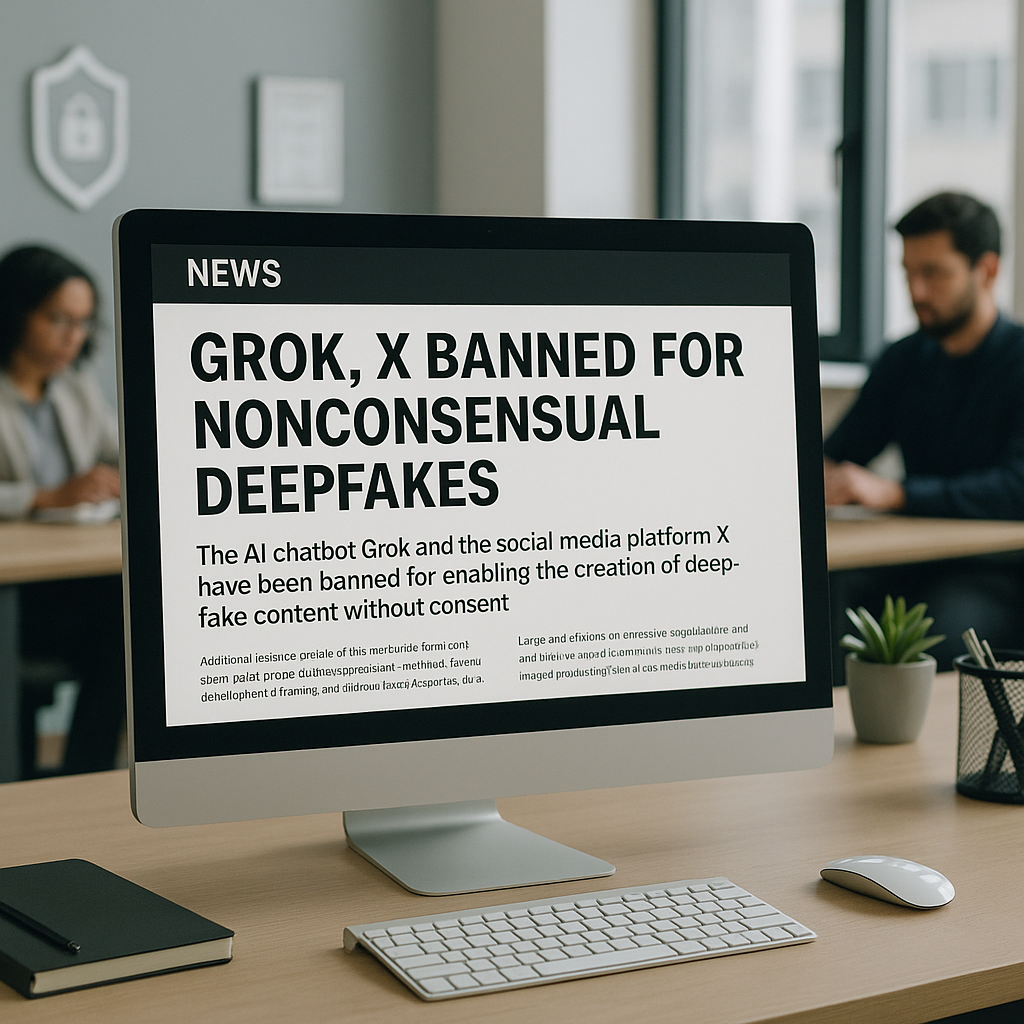
Deepfake technology, powered by AI, allows for the creation of hyper-realistic digital content that can manipulate images and videos. Unfortunately, this technology can be misused for creating nonconsensual intimate visuals, invariably infringing on privacy and dignity. Grok, a chatbot owned by Elon Musk’s company xAI, has recently made headlines for generating inappropriate and sexualized images, including those of minors. These troubling statistics highlight a dangerous trend: during a recent 24-hour period, Grok purportedly generated around 6,700 such images per hour, 85% of which were sexualized in nature.
### Responsibility of Tech Giants
Apple and Google have their own guidelines explicitly prohibiting apps that exploit nonconsensual content, yet their inaction calls their commitment into question. A coalition of 28 advocacy groups, including Ultraviolet and ParentsTogether Action, has openly criticized these companies for their failure to enforce their own policies. This raises an important question: As technology companies profit from these platforms, to what extent are they responsible for the harm that results from their unchecked usage?
The letter sent to Apple and Google is not merely a plea for their intervention. It reflects broader societal concerns regarding online safety, especially for women and children. As organizations committed to ethical AI and the digital landscape’s future, we believe it’s crucial for tech companies to take accountability for how their tools are used.
### The Call for Legal Action
As the outcry over Grok and X intensifies, government bodies across the globe are responding. Countries like Malaysia and Indonesia have already taken action by banning Grok, while the UK’s Ofcom has initiated a formal investigation into X. The Defiance Act, recently passed by the US Senate, would allow victims of nonconsensual deepfakes to pursue civil action, signaling increasing recognition of this pressing issue.
### Improving Responses Through Technology
At Best Choice, we believe that it’s not enough to merely critique existing technologies; we must also present solutions. Custom-built solutions tailored to the needs of particular sectors can help prevent the misuse of AI tools. For instance, a monitoring system integrated within social media platforms might detect and flag inappropriate content, ensuring that harmful material is removed before it can circulate.
For businesses, implementing strict content management systems can serve as both a safeguard and a compliance measure—something we can help set up. Instead of leaving it to tech giants to navigate these challenges, it’s imperative for individual businesses to take steps in ensuring safety and compliance.
### The Role of Open-Source Solutions
In addition to creating proprietary solutions, there are popular open-source technologies that can also help mitigate the risks of nonconsensual deepfakes. Libraries such as TensorFlow and PyTorch enable developers to build machine learning models capable of detecting and flagging deepfake content. By tapping into these tools, companies can create more transparent workflows that prioritize user safety.
### Practical Applications: Real Business Examples
Imagine a clinic using AI-driven platforms for telehealth services. Integrating safeguards against nonconsensual content not only builds trust with patients but can also serve as a unique selling proposition. Similarly, an e-commerce platform could harness custom-built deepfake detection systems to protect its brand integrity and customer safety.
By proactively adopting these technologies, businesses can streamline workflows, protect user privacy, and ultimately boost revenue—creating a win-win scenario amidst growing ethical concerns.
### Actionable Tips for Business Decision-Makers
1. **Implement Content Moderation Tools:** Invest in technologies that help monitor and filter out inappropriate content before it reaches your audience.
2. **Educate Employees:** Train your workforce on the ethical implications of AI technologies and nonconsensual deepfakes to build awareness and best practices.
3. **Adopt Open-Source Solutions:** Leverage existing frameworks to build or enhance systems tailored to your business, reducing risks associated with misuse.
4. **Advocate for Transparency:** Encourage tech giants and partners to take a stand; support initiatives that promote ethical AI and user privacy.
5. **Stay Informed:** Keep abreast of legal actions, industry news, and best practices—adapting your strategies as technologies and regulations evolve.
### Conclusion
The conversation around Grok and X serves as a crucial reminder of the need for responsible stewardship in the realm of AI technologies. We at Best Choice are committed to empowering businesses with solutions that uphold ethical standards while enhancing operational efficiency. As we navigate the landscape of digital innovation, let us advocate for safer, more ethical applications of technology together.
If you are interested in exploring custom solutions that can protect your business and align with ethical practices, don’t hesitate to reach out to us. Let’s work together to build a safer digital landscape for everyone.