How is Android Auto Different from Android Automotive?
As technology advances, the way we interact with our vehicles is rapidly evolving. Among these advancements are Android Auto and Android Automotive, two platforms that are transforming how drivers and passengers leverage their smartphones for enhanced driving experiences. Many often confuse the two, assuming they serve the same purpose, but the truth is that they cater to different technology needs and functionalities.
As a business decision-maker or entrepreneur in the automotive sector, understanding the distinctions between these two platforms is crucial. Not only can it inform your choices regarding vehicle integration solutions, but it can also help enhance customer satisfaction and drive your business forward. At Best Choice, we are committed to providing custom-built solutions tailored to meet the demands of the modern automotive landscape and beyond. Let’s delve into the differences between Android Auto and Android Automotive to help clarify their applications and benefits.
Understanding Android Auto
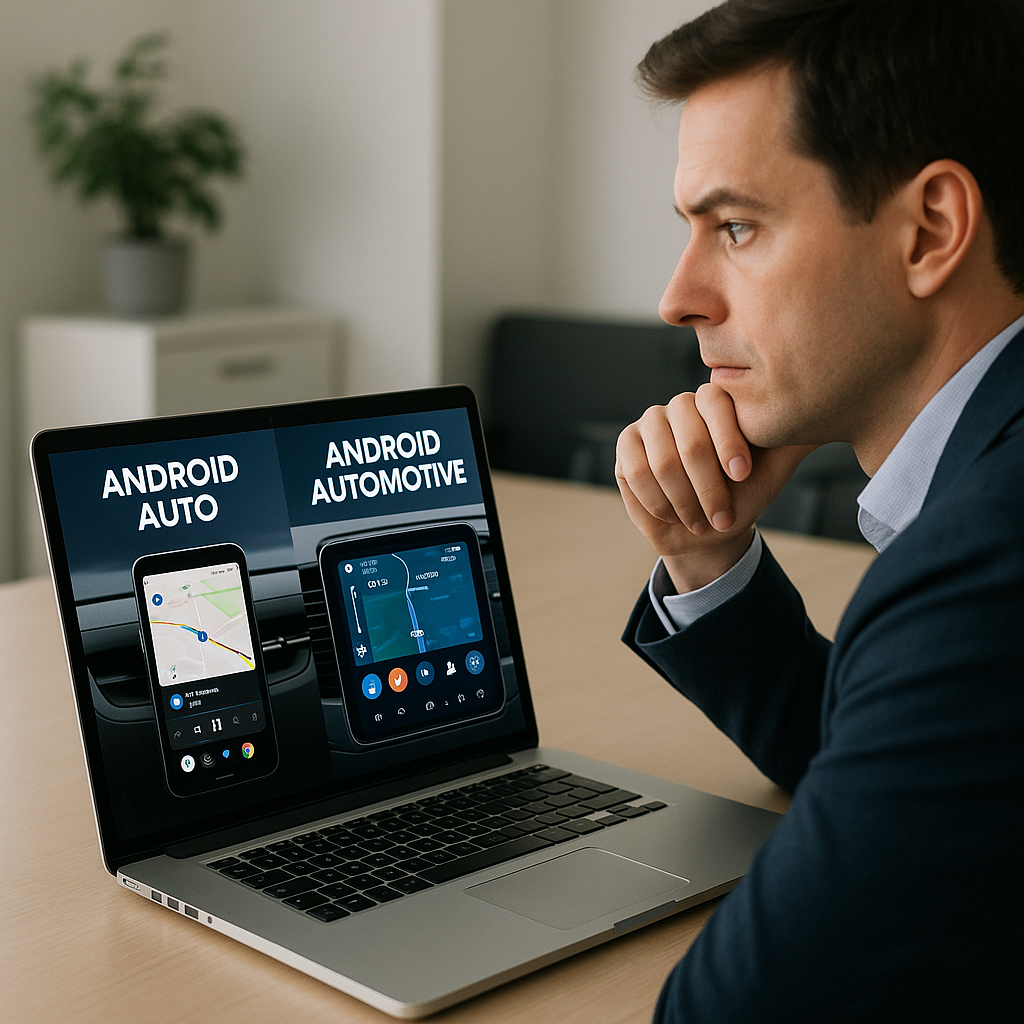
Android Auto is primarily a smartphone integration tool designed to bring certain features of your Android device directly onto your vehicle’s infotainment system. By enabling users to link their smartphones to their car’s display, Android Auto allows drivers to access maps, music, messages, and apps while keeping their focus on the road.
- Functionality: Android Auto functions by mirroring your smartphone’s interface on the car’s infotainment screen. This allows seamless use of popular apps like Google Maps, Spotify, and messaging services.
- Connectivity: To use Android Auto, drivers need to connect their Android device via USB or Bluetooth. Compatibility is reliant on the smartphone’s Bluetooth capabilities and the apps installed.
- User Experience: It offers a user-friendly interface that’s designed specifically for driving. Features like voice commands help you navigate without distraction.
For example, consider a small business operating a delivery service. By implementing Android Auto in their delivery vehicles, drivers can easily navigate to their destinations and communicate with clients without ever taking their hands off the wheel. The efficiency gained reduces delivery times, driving operational excellence and enhancing customer satisfaction.
Exploring Android Automotive
On the other hand, Android Automotive is an embedded operating system built directly into the vehicle’s hardware. Unlike Android Auto, which requires a smartphone for functionality, Android Automotive operates independently, providing a full suite of applications and features right from the vehicle.
- Design and Development: With Android Automotive, automakers can develop custom applications tailored for their vehicles, providing a unique and branded experience for their customers.
- Offline Access: Since it’s integrated into the vehicle, users have access to essential features even when their phone isn’t connected.
- Enhanced Experience: It supports a more comprehensive range of functionality beyond navigation and media. This includes vehicle settings, climate controls, and advanced energy management in electric vehicles.
Imagine a fleet of electric vehicle taxis that utilize Android Automotive. Drivers can monitor battery performance, locate charging stations, and customize climate settings directly from the vehicle’s system, boosting the overall efficiency and user experience.
Key Differences Between Android Auto and Android Automotive
1. Integration Level
Android Auto integrates with existing hardware, whereas Android Automotive is built into the vehicle’s system from the ground up. This fundamental difference affects how businesses can leverage each technology.
2. Control of Features
With Android Automotive, automakers can gain greater control over the interface and vehicle functions, tailoring the experience to their brand and customer needs.
3. Device Dependence
Android Auto requires a smartphone to function, while Android Automotive can operate seamlessly without any device connection.
4. Application Range
Android Automotive has access to a broader range of vehicle-specific functions that aren’t available through Android Auto.
Real-World Applications in Different Sectors
The real-world implications of these technologies are far-reaching. Industries such as transportation, logistics, and personal mobility can utilize these systems to improve functionality and customer service. Here are a few sectors benefiting from these platforms:
- Fleet Management: Vehicle fleets integrated with Android Automotive can monitor vehicle health and diagnostics, improving maintenance schedules and decreasing downtime.
- Rental Services: Car rental services can offer a customized experience using Android Automotive, allowing users to control features specific to their rental vehicles.
- Ride-Hailing Services: Companies like ride-sharing apps benefit from Android Auto by integrating navigation and communication into the driver’s dashboard, ensuring safety and efficiency.
Actionable Insights
As you consider adopting these technologies or integrating them into your business offerings, here are a few actionable tips for implementation:
- Evaluate Your Needs: Identify whether you need a smartphone-controlled system or an embedded solution for your vehicle.
- Consider Customer Experience: Think about how these technologies can enhance the experience for your customers. A seamless experience can turn casual users into loyal customers.
- Capacity for Customization: If your business allows, invest in Android Automotive for its customization benefits to create a unique experience that differentiates your brand.
Conclusion
In the competition of modern automotive solutions, understanding the distinctions between Android Auto and Android Automotive is essential for making informed decisions. Whether you aim to enhance the driving experience for your clientele, streamline operations, or offer innovative solutions, knowing which system best suits your needs can significantly impact your business success. At Best Choice, we are here to assist you with expert insights and tailored solutions to navigate the digital landscape of the automotive industry. Don’t hesitate to reach out—we’re on standby, ready to help you choose the right technology for your business!