Revolutionizing Health Monitoring: Abbott and Google Health’s AI Collaboration
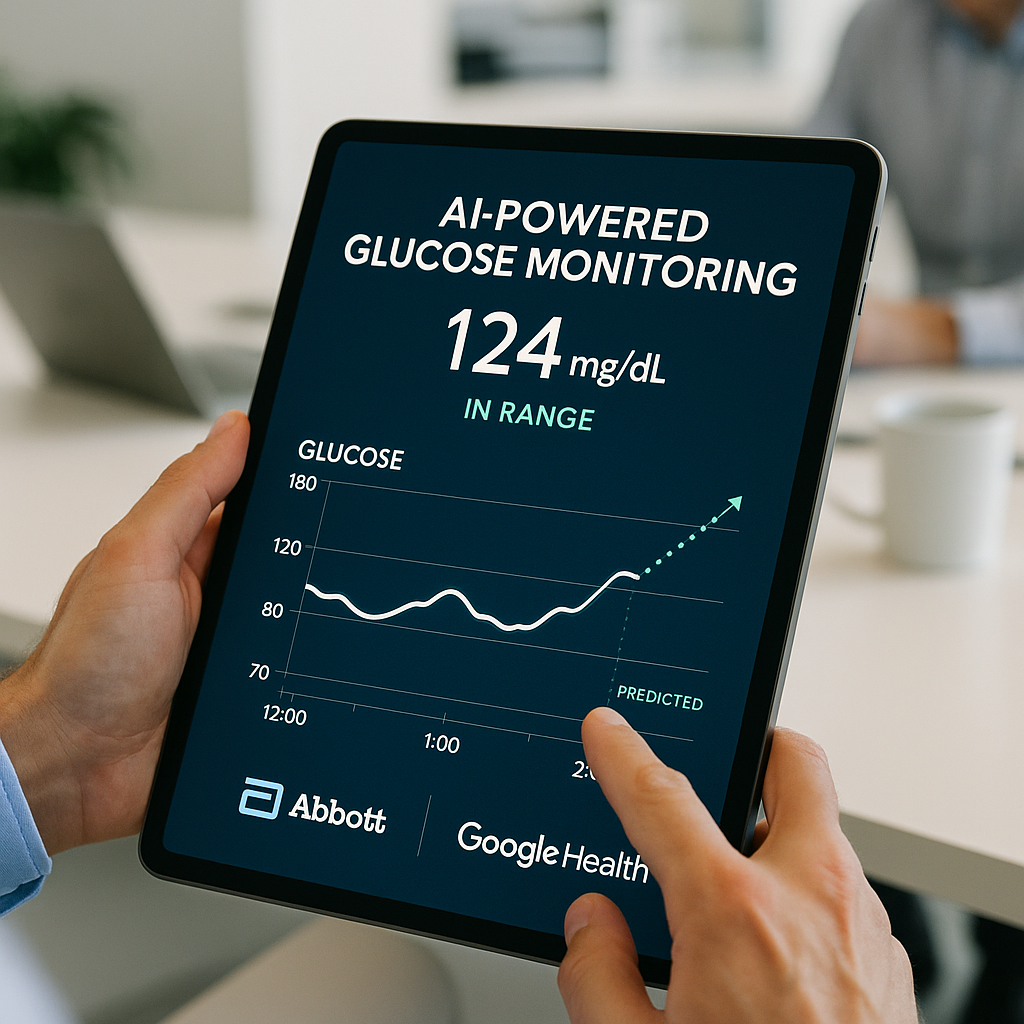
In today’s fast-paced world, where technology is evolving at an unprecedented rate, the healthcare sector is embracing innovation to enhance patient care and improve outcomes. One groundbreaking development is the partnership between Abbott and Google Health, aimed at creating AI-powered glucose monitoring solutions. This collaboration promises to change how we manage diabetes, making it easier for individuals to take charge of their health.
As an IT consulting firm dedicated to serving businesses across Europe, particularly in Denmark, we at Best Choice are excited about the implications of such advancements in health technology. This partnership exemplifies the power of combining cutting-edge technology with healthcare expertise to solve pressing health challenges. Let’s delve into how these custom-built solutions can redefine glucose monitoring and what it means for businesses and individuals alike.
The Role of AI in Glucose Monitoring
Artificial Intelligence (AI) has emerged as a transformative force in many industries, and healthcare is no exception. In glucose monitoring, AI can analyze data in real time, providing patients with immediate feedback about their glucose levels and suggesting adjustments in diet, medication, or activity. This continuous monitoring helps prevent extreme fluctuations that can lead to complications for diabetes patients.
Custom-Built Diabetes Solutions
Imagine a small clinic that specializes in diabetes management. With a custom-built glucose monitoring system, practitioners can access real-time data not only from patients’ glucose meters but also from their wearables. This system can be programmed to send alerts if a patient’s reading is abnormal, allowing healthcare providers to take action swiftly.
At Best Choice, we believe that tailor-made solutions can resolve unique challenges faced by healthcare providers. Our team can design software that integrates seamlessly with existing electronic health records (EHR) systems and allows for personalized tracking of patient data. This leads to better patient outcomes and more efficient care delivery.
Streamlining Workflow with Automation
In addition to monitoring glucose levels, automated data management can greatly enhance the workflow of a clinic. When doctors and staff are freed from manual data entry and management, they can devote more time to patient care, thereby improving service delivery.
For instance, consider a busy pharmacy that deals with countless patients daily. By implementing an automated system to track prescription refills and manage patient appointments, they can significantly reduce wait times and improve customer satisfaction. Such innovations can ultimately boost revenue while streamlining operations.
AI and Predictive Analytics
The power of AI goes beyond real-time monitoring; it also encompasses predictive analytics. By analyzing historical data from patients, machine learning algorithms can forecast potential spikes in glucose levels. A clinic can use this information to educate patients on proactive measures, reducing hospital visits associated with diabetes complications.
Third-Party Integration for Enhanced Solutions
While custom solutions are essential, many businesses may rely on third-party platforms to complement their services. For example, Google Health offers several tools that can be integrated into existing systems. At Best Choice, we specialize in setting up, integrating, and improving these solutions, ensuring they work harmoniously with your current infrastructure.
Open-Source Solutions in Europe
In Denmark and across Europe, open-source solutions are increasingly being adopted due to their flexibility and cost-effectiveness. Solutions like OpenMRS (a platform for managing medical records) can be customized to serve specific health monitoring needs, including glucose management. By harnessing the power of open-source, businesses can build scalable systems that adapt to their requirements over time.
Real-World Examples of AI in Action
Consider a café that aims to cater to health-conscious consumers by offering specialized low-GI (glycemic index) foods for diabetic clients. By incorporating a glucose-monitoring solution connected to a mobile app, patrons can receive tailored meal recommendations based on their glucose levels. This approach not only enhances customer experience but also redefines how food establishments cater to specific health needs.
In another example, a warehouse supplying diabetes management products can utilize AI to predict inventory needs based on sales trends and customer glucose monitoring data. This ensures they never run out of essential supplies, improving operational efficiency and customer satisfaction.
Conclusion
As we witness the transformative potential of AI in healthcare, the partnership between Abbott and Google Health is just the beginning. Custom-built solutions, whether for clinical settings or consumer-facing applications, can significantly improve workflows, enhance patient outcomes, and ultimately boost revenue.
If you are looking to adopt innovative IT solutions or enhance your existing systems, we at Best Choice are here to help. Contact us today to discuss how we can tailor solutions that meet your specific business needs while staying ahead of the technological curve.