# Navigating the Legal Landscape of AI: What Businesses Need to Know
In today’s digital landscape, the integration of artificial intelligence (AI) into business operations has become increasingly prevalent. From automating customer service to optimizing supply chains, AI applications can enhance workflows, improve efficiency, and drive revenue growth. However, the rising use of AI, including conversational agents like ChatGPT, has brought forth new challenges, especially in terms of liability and legal implications.
Recent news stories, such as the one involving a family suing OpenAI after claiming that advice given by ChatGPT contributed to a tragic incident, remind us of the serious responsibilities that come with AI deployment. At Best Choice, we understand that as a business decision-maker or entrepreneur, it is crucial to be aware of these implications while exploring AI solutions. Let’s delve into how custom-built solutions can mitigate risks and enhance your business operations.
## Custom-Built Solutions: Enhancing Workflows and Responsibilities
One of the most effective ways to harness the power of AI while minimizing legal and ethical risks is through custom-built solutions tailored specifically for your business. When we create these solutions, we focus on the unique needs of your operations, ensuring that they not only perform efficiently but also adhere to necessary guidelines and practices.
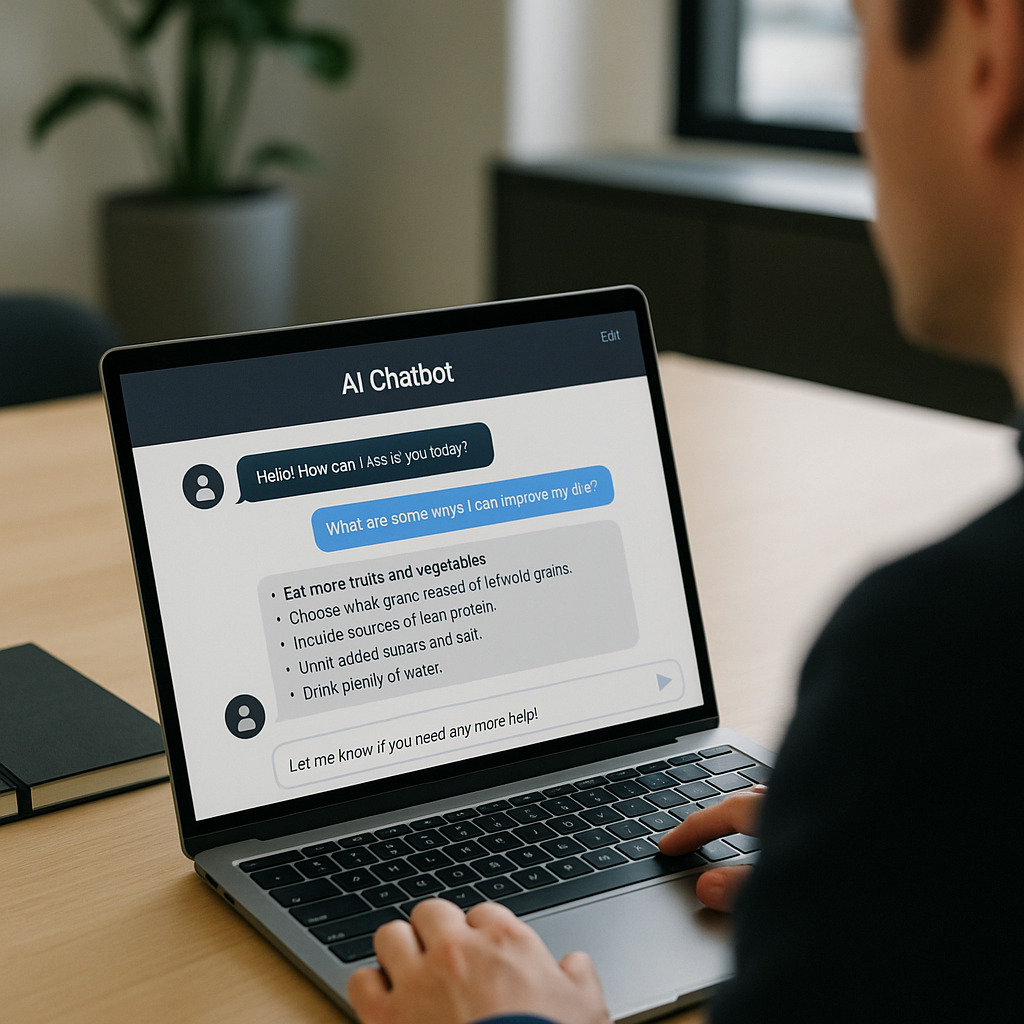
For instance, consider a local clinic. Instead of solely relying on off-the-shelf chatbot solutions that may lack adequate oversight mechanisms, we can develop a custom chatbot that includes specific channels for patient inquiries. This bot could only provide general information while ensuring that sensitive issues are promptly directed to medical professionals. Such an approach not only streamlines communication but also safeguards patient safety and confidentiality.
## Delivering Smart Automation Regardless of Size
A small café might be overwhelmed with customer orders, especially during busy hours. By employing a custom-built ordering system, we can automatically manage the incoming orders, ensuring that nothing gets lost in the shuffle. This system could integrate directly with the café’s inventory, alerting staff about low stock levels in real-time. Consequently, workflows are streamlined, allowing employees to focus more on customer service rather than administrative tasks.
On a larger scale, consider a logistics company dealing with complex supply chains. By automating inventory management and implementing real-time tracking systems, operations become more efficient, leading to reduced delays and improved customer satisfaction. Custom automation solutions can save significant amounts of time and resources while also enabling businesses to pivot more effectively in response to market changes.
## Leveraging Open-Source Solutions for Flexibility
In Denmark and Europe, leveraging open-source solutions can also provide an inexpensive and flexible foundation. Platforms like Odoo or ERPNext allow businesses to customize their enterprise resource planning (ERP) needs without extensive investments. By integrating these solutions with our custom developments, we can create a seamless experience tailored to your specific business processes.
For example, a boutique fashion store can take advantage of these platforms to manage sales, inventory, and customer data. By utilizing an open-source ERP, we can ensure that everything from stock levels to customer preferences are synchronized. This not only enhances operational efficiency but equips businesses with valuable insights for strategic decision-making.
## Integrating Third-Party Services Responsibly
While third-party platforms can offer valuable functionality, it is just as important to approach their integration thoughtfully. Many businesses utilize cloud-based CRM systems like Salesforce to maintain customer relationships; however, without proper integration, these tools may create data silos that hamper productivity.
At Best Choice, we prioritize integrating these third-party solutions with your existing infrastructure, ensuring a smooth flow of information between various applications. This comprehensive approach allows for an accurate, 360-degree view of your customer interactions, facilitating better service and improved retention rates.
## Proactive Risk Management Strategies
With the integration of advanced AI and automation comes the need for robust risk management strategies. It’s essential to establish clear usage guidelines for AI applications, ensuring that they remain responsible and transparent. Whether you are using AI for customer service, sales, or further operations, incorporating checks and balances as part of the system design can avoid negative implications.
In the event of user interaction with AI tools, always have a human backup who can step in. This can mitigate the risks associated with reliance on AI, providing an additional layer of support. For instance, if a customer inquiry about a sensitive topic arises, having a trained employee follow up on the recommendation can ensure that the information is conveyed accurately and responsibly.
## Conclusion: Embrace Innovation Responsibly
At Best Choice, we firmly believe in embracing innovation while also navigating the complexities that come with it. As you consider developing or integrating AI solutions into your business model, it is vital to explore how custom-built systems, combined with open-source flexibility and responsible third-party integration, can enhance your operations.
The landscape of AI is rapidly evolving, and understanding the associated challenges is essential for any business leader or entrepreneur. As you take the steps toward automation, we invite you to contact us at [Best Choice](http://web.best-choice.dk). Together, we can create tailored solutions that not only drive efficiency but do so in an ethical and responsible manner that aligns with your business goals.