Understanding TikTok: What You Need to Know in 2025
As a business decision-maker or entrepreneur, it’s crucial to stay updated on social media platforms that are shaping digital interaction. One platform that has surged in popularity is TikTok. Launched in 2016 by ByteDance, this innovative app has transformed how we consume content. TikTok enables users to create, share, and discover short-form videos, leading to both entertainment and educational opportunities.
As of 2025, TikTok continues its evolution, adapting to changing consumer demands and geopolitical landscapes. Below, I will guide you through its most significant features, recent developments, and how TikTok is currently operating—especially in the context of its evolving business model and the competitive landscape.
Key Features of TikTok
TikTok isn’t just another social media app; it’s a platform designed to foster creativity and connection among users. Here are some standout features:
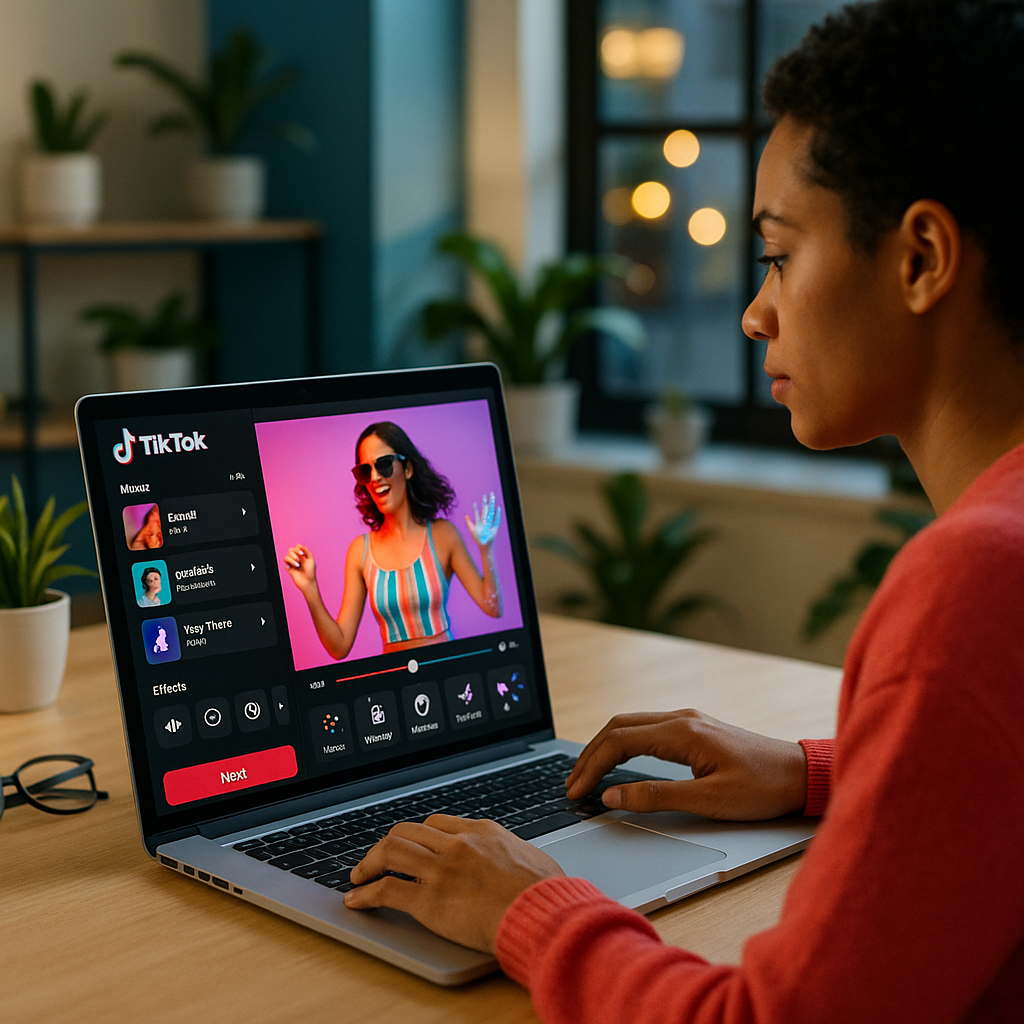
- Short-Form Videos: Users can create videos up to 3 minutes long, often incorporating music, sound effects, and an array of editing tools. This brevity encourages creativity and quick consumption, making it perfect for busy audiences.
- For You Page (FYP): Its algorithm-driven feed is designed to promote personalized discovery. By analyzing user interactions, TikTok curates content that keeps users engaged.
- Interactive Elements: Features like duets and stitches allow users to collaborate on content, enhancing community interaction and creative possibilities.
- E-commerce Integration: In a bid to merge social media and shopping, TikTok has introduced features that enable users to make purchases directly through the app, streamlining the customer journey.
Recent Developments: Navigating Changes
Constant adaptation is vital for a platform that caters to a global audience. Notable recent developments in TikTok’s operations include:
- Ownership Changes: In September 2025, TikTok’s ownership transitioned to a consortium of American investors, including Oracle. This move aims to address national security concerns and ensures compliance with U.S. regulations.
- Safety Enhancements: To promote user safety and transparency, TikTok released features like “Footnotes,” enabling users to receive context for the content they consume.
- AI Investments: ByteDance committed to a significant $12 billion investment in artificial intelligence infrastructure, ensuring that TikTok continues to harness advanced technologies to refine user experiences.
Understanding TikTok’s Monetization and Business Model
What’s the business model behind TikTok? It’s essential to recognize that TikTok operates on a freemium model—providing core functionalities for free while monetizing through various avenues:
- Advertising: Brands can reach potential customers through in-feed video ads, branded hashtag challenges, and more targeted advertising strategies.
- E-commerce Features: The app’s shopping capabilities allow users to make purchases directly from the platform, facilitating an innovative shopping experience.
- Creator Monetization: TikTok provides a pathway for creators to earn money through brand partnerships, live gifts from their audience, and the Creator Fund.
Open Source Alternatives to TikTok
While TikTok remains at the forefront of the short-form video trend, some open-source alternatives offer similar functionalities while prioritizing user privacy:
- TIKTAK: This free, open-source app focuses on user privacy while providing users with video creation and sharing capabilities without intrusive ads.
- Clapper: Founded in 2020, Clapper is an American app that offers tipping features and e-commerce options—providing a competitor to TikTok.
- Neptune: Launched in 2025, it offers a scrolling video feed with customizable algorithms, catering to users looking for a more tailored experience.
Real Business Applications and Use Cases
As a business owner, it’s vital to consider how platforms like TikTok can benefit your operations. Here are some practical examples:
- Cafes and Restaurants: Utilize TikTok to showcase delicious dishes through engaging videos. This could attract customers who might share or re-create your content.
- Warehouses: By documenting processes or product showcases, warehouses can foster customer connection and transparency through engaging short videos.
- Online Stores: Utilize TikTok’s e-commerce features to promote products. A live video showcasing a new clothing line can directly boost sales.
- Clinics and Health Services: Use educational videos to address common inquiries or share wellness tips. This builds trust with your audience while promoting your services.
- Booking Services: Engage potential customers by creating content that explains your booking process or the unique experiences clients can expect.
Conclusion
TikTok has solidified its role as a key player in the digital landscape—continuing to evolve and adapt to meet user demands and market challenges. From its impressive features to its dynamic business model, TikTok presents numerous opportunities for businesses looking to engage with customers in a meaningful way.
If you’re interested in exploring how TikTok or its alternatives can enhance your business or if you need assistance setting up effective digital solutions, don’t hesitate to contact Best Choice. Let us help you navigate the exciting world of digital possibilities.