Understanding the Impact of Digital Scams on Music Platforms
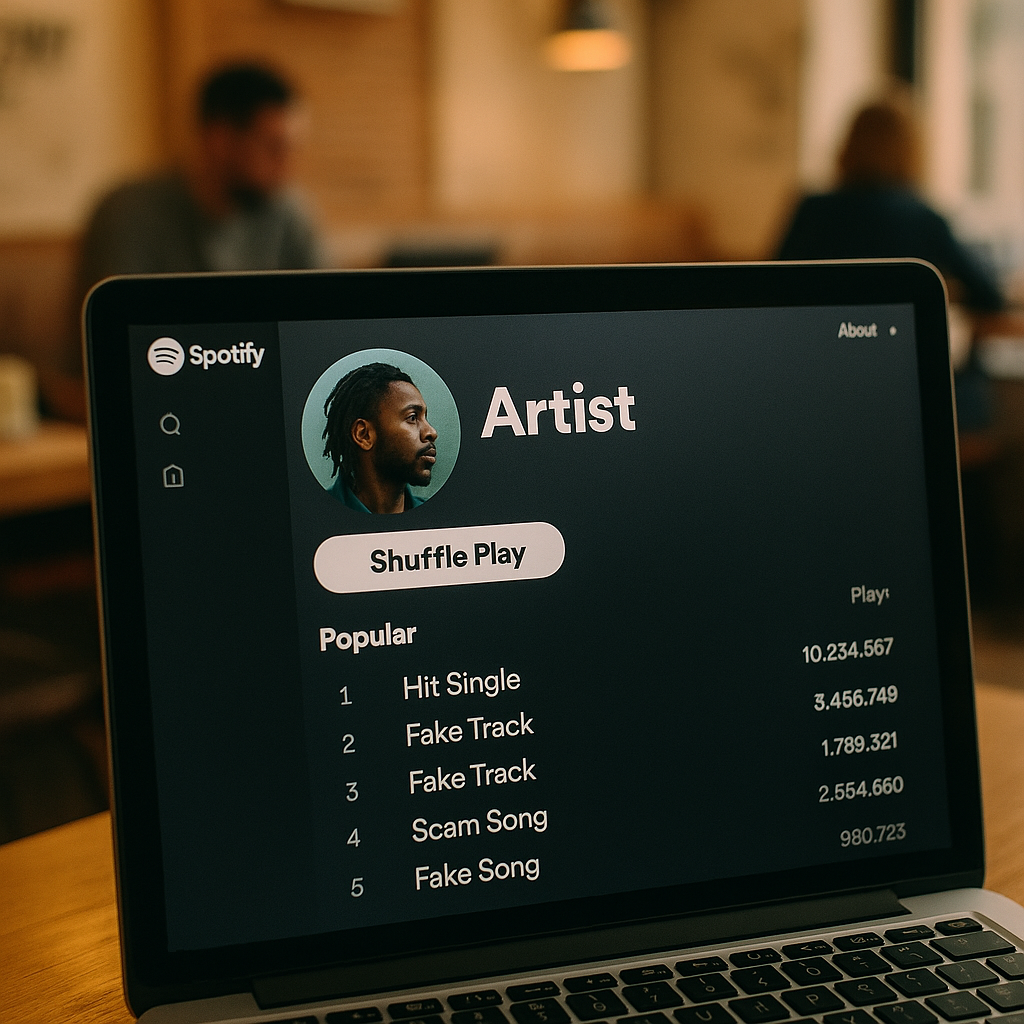
With the rapid growth of digital platforms, the music industry has transformed in ways we could never have imagined. In an era where data rules, accessing and sharing music has become incredibly seamless, but it has also opened doors for a new wave of scams—especially on popular streaming platforms like Spotify. Recently, we’ve observed a troubling trend: scammers inserting fake songs onto real artists’ profiles, which can have dire consequences for the artists and the music community at large.
This issue stems from a distribution loophole that allows scammers to collect royalties through uploading counterfeit songs to legitimate profiles. This practice not only impacts the artists’ revenue but can also confuse listeners and tarnish the authenticity of music streaming experiences. As a business decision-maker in the music industry or a related field, understanding this aspect is critical—not only for protecting your interests but also for ensuring a fair and transparent ecosystem for musicians.
How It Works: The Mechanism Behind the Scam
The mechanics of this scam revolve around digital distribution services, which allow artists to upload their music for widespread distribution. Scammers exploit these platforms’ lack of stringent verification processes. By uploading fake tracks under the guise of real artists, they can generate streams and, subsequently, collect royalties.
This system thrives on the vulnerabilities present in the algorithms that manage these platforms. For instance, when a big name drops a new album, many fans rush to listen. Savvy scammers, aware of these spikes in traffic, can capitalize by inserting fraudulent tracks—often generated through software—into the real artist’s page to ride the coattails of popularity.
The Impact on Artists and the Music Industry
For a real band or artist, encountering fake songs on their profiles can lead to lost revenue. In severe cases, it can damage their reputation. Fans who mistakenly listen to and share these songs might think they represent the artist’s work, leading to confusion and misinformation. The music industry thrives on trust; once that trust is compromised, the repercussions can ripple throughout the sector.
Strategies to Combat Digital Fraud
So, how can musicians and music companies protect themselves against these digital impostors? Here are some actionable steps we recommend:
- Adopt Robust Distribution Channels: Work with reputable distributors who prioritize artist verification and transparency.
- Monitor Online Presence: Regularly check artist profiles on all platforms for unauthorized content.
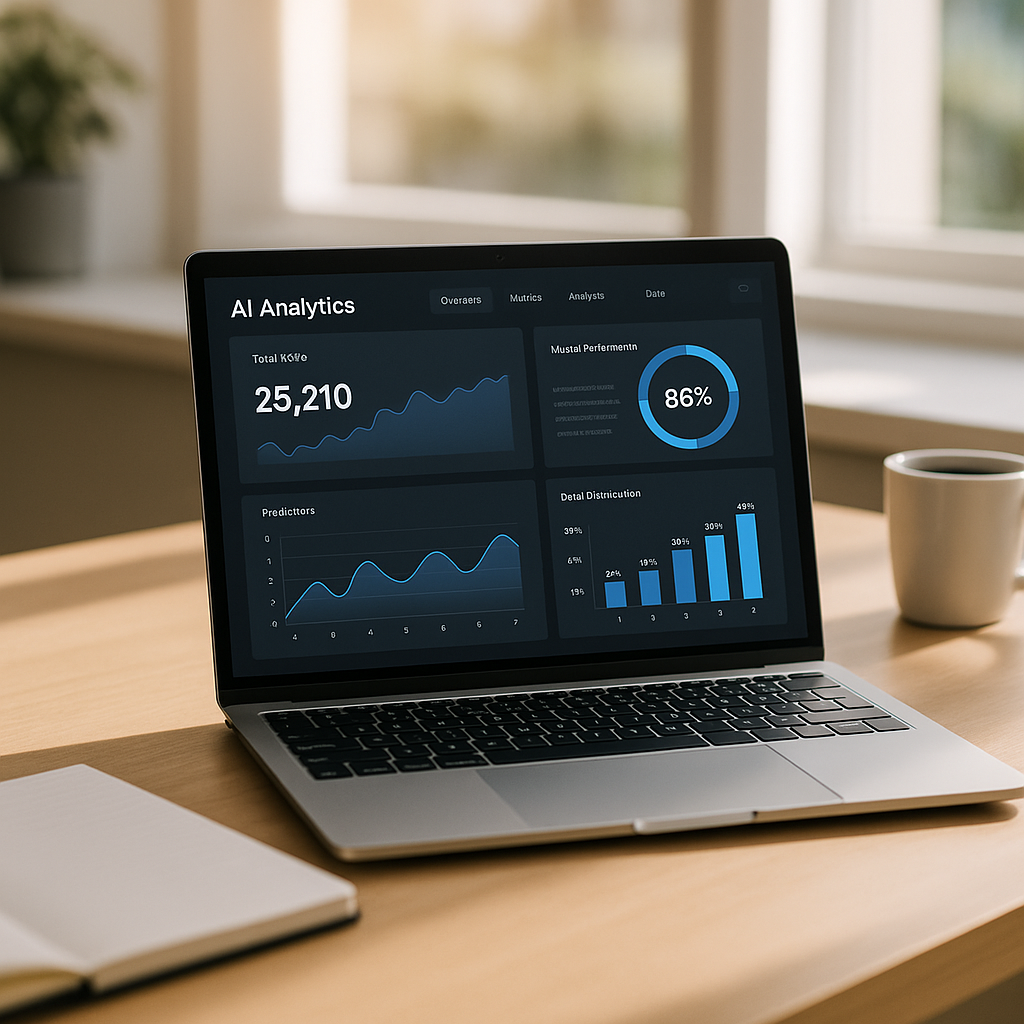
- Utilize Technology: Consider employing AI-driven analytics to detect anomalies in your streaming data that could indicate the presence of fraudulent content.
- Educate Your Fans: Share information about how to identify authentic artist content versus potential scams.
Examples of Successful Implementation
Take, for instance, a local café that features live music performances. They can use custom-built solutions to ensure that the artists showcased are genuine and verified. By investing in a dedicated platform to manage their music roster, they can effectively eliminate any risks associated with counterfeit tracks being played at events.
Similarly, a warehouse that streams music to enhance employee productivity can employ third-party solutions integrated by Best Choice to ensure they’re only playing licensed and authentic tracks, avoiding potential copyright issues associated with counterfeit songs.
Leveraging AI and Automation for Protection
At Best Choice, we recognize the importance of safeguarding your art. We can help set up automated systems designed to monitor and analyze digital content. With AI capabilities, these systems will not only track unauthorized uploads but could also flag suspicious activities for immediate attention. This insight not only secures your revenues but enhances your peace of mind as an artist or music business owner.
The Role of Community and Collaboration
Musicians, labels, and fans need to work collaboratively to stamp out these fraudulent practices. By fostering community awareness, musicians can create a united front against scammers. Regularly discussing these issues on social media platforms or through newsletters can help to keep the audience informed and engaged.
Conclusion
While the music industry remains an exciting and ever-evolving space, it’s crucial to stay vigilant against the threats posed by digital scams. As we navigate through this digital landscape, let’s commit to creating a safer listening experience for all. If you’re a business owner in the music sector or an artist concerned about these counterfeit practices, don’t hesitate to reach out to Best Choice. We’re here to help you sharpen your defenses and safeguard your artistic integrity.