Oregon Is the Latest State to Sue OpenAI Over Child Safety
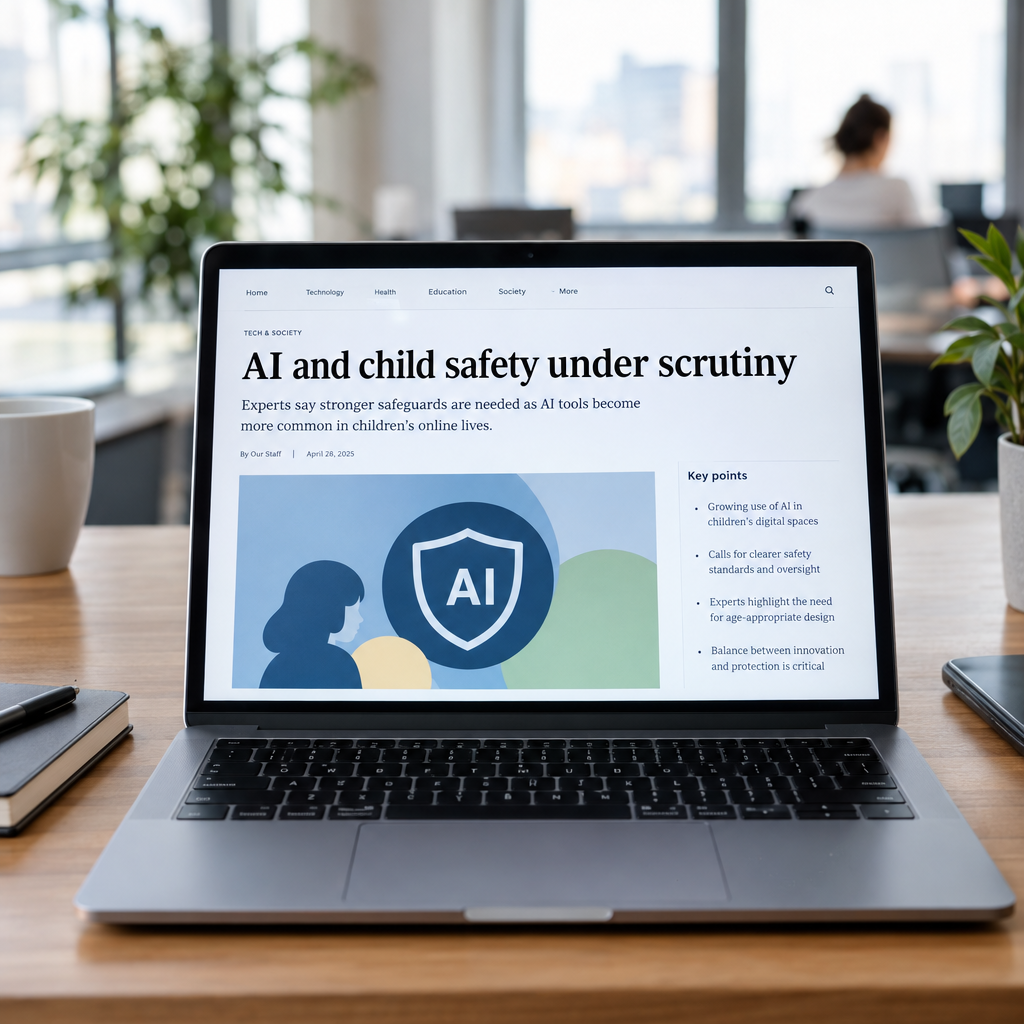
Oregon’s attorney general has filed a lawsuit against the maker of ChatGPT over alleged child safety issues. The case is a reminder that as AI tools become part of everyday life, questions about how they protect young users are becoming more urgent.
For business owners, this is not only a story about one company or one lawsuit. It is a practical prompt to review how AI is used in your organisation: what it can say, what information it can access, and when a person should step in. At Best Choice, we help businesses build and integrate digital systems with safety, privacy and clear oversight in mind.
1. What the Oregon lawsuit means
The lawsuit raises concerns about child safety in connection with ChatGPT. The claims are allegations, and the case will take its course through the legal system. Still, it reflects growing scrutiny of how AI services handle interactions with children and other potentially vulnerable users.
That scrutiny matters to companies that use AI in customer service, education, healthcare, booking, or online sales. Even if your business does not create AI models, you may still be responsible for how an AI tool is configured and presented to your customers.
2. Why businesses should pay attention
AI can answer questions, recommend products, and automate routine tasks. But a chatbot that gives unsuitable advice, mishandles personal data, or fails to recognise a sensitive situation can damage customer trust and create operational or legal risks.
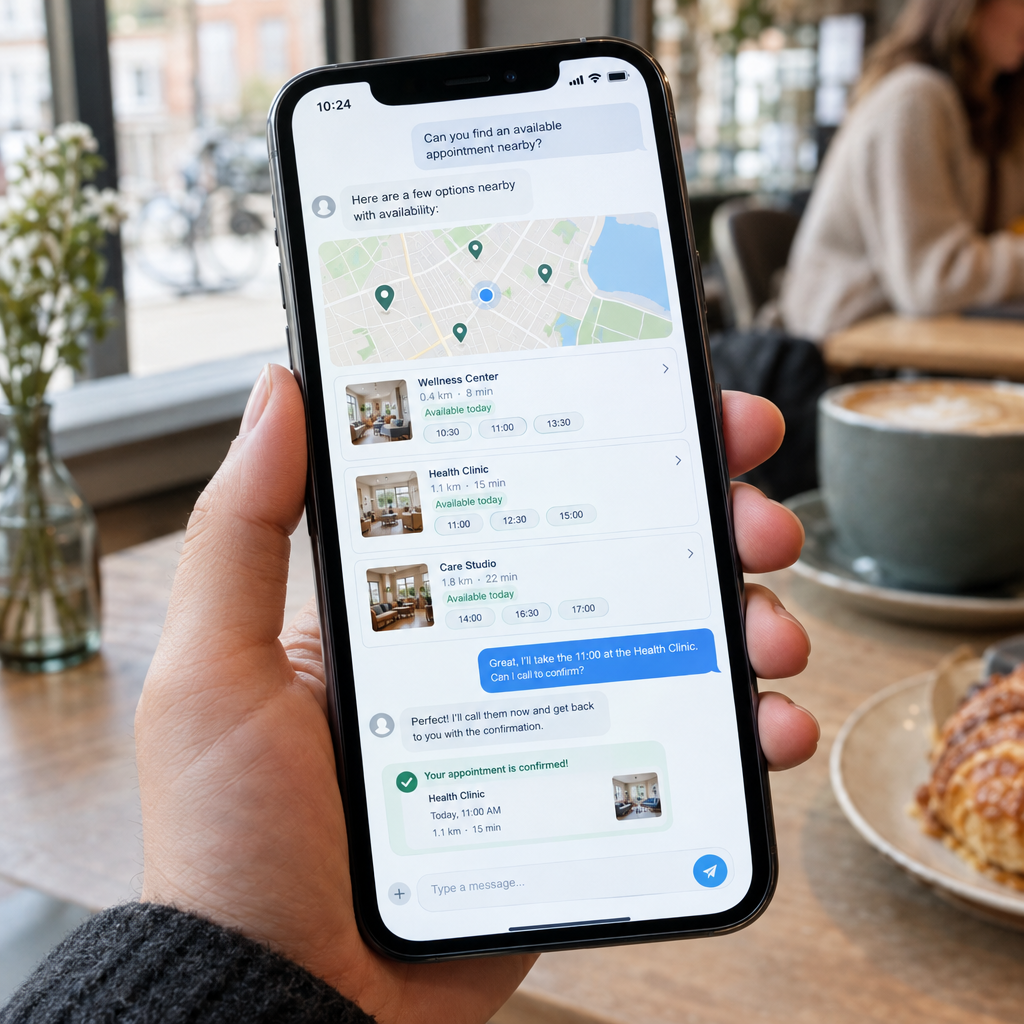
Consider a clinic using a chatbot to answer appointment questions. It should not present itself as a doctor or make unsupported medical recommendations. A webshop serving families may need clear boundaries around product advice and a straightforward way for customers to reach a human.
3. Build safety into the workflow
Safer AI starts with deciding what the system is allowed to do. We recommend defining its purpose, limiting it to approved information, and setting rules for topics it should avoid or escalate. A well-designed assistant can say when it does not know the answer instead of guessing.
Businesses should also consider age-appropriate experiences, data minimisation, access controls, and human review. For example, a booking assistant can collect only the details needed to arrange an appointment, while directing questions about urgent health concerns to a qualified person or service.
4. How custom AI systems can help
At Best Choice, we can design AI workflows around a company’s services, policies, and existing systems. Rather than giving an assistant unrestricted access, we can connect it to selected business information and define how it should respond, when it should refuse, and when it should hand the conversation to staff.
This can make everyday work faster without removing human responsibility. A café might automate answers about opening hours and bookings, while a warehouse could use an internal assistant to help staff find stock procedures. In both cases, clear limits and a human fallback help keep the automation useful and controlled.
5. Choose tools with oversight in mind
Open-source and open-weight AI components can give businesses more flexibility over where systems run and how they are adapted. Tools such as Mistral models or open-source orchestration frameworks may suit certain projects, but they still require careful setup, security checks, testing, and ongoing maintenance.
Third-party AI platforms can also be useful when properly configured and integrated. We can help businesses connect services to websites, CRM systems, or internal databases, while considering permissions, logging, privacy requirements, and the option to review or improve responses over time.
6. Practical steps for responsible AI use
- Map your use cases: Identify who uses the AI, what it does, and whether children or sensitive topics may be involved.
- Set clear boundaries: Define approved information, restricted topics, and situations that require human help.
- Protect personal data: Collect only what is needed and review how data is stored, shared, and retained.
- Test realistic scenarios: Check how the system responds to confusing, inappropriate, or high-risk questions.
- Review it regularly: Update rules and content as your business, technology, and applicable requirements change.
For businesses in Denmark and across Europe, AI safety should be part of a broader approach to privacy, security, and responsible automation. If you are planning an AI assistant or want to review an existing setup, contact Best Choice. We can help you build a practical solution that supports your business while keeping people and oversight at the centre.