What is the 3-2-1 Rule for Backing Up Your Data?
In the digital age, data has become one of the most valuable assets for businesses of all sizes. Whether you’re a small café looking to keep customer records safe, a warehouse managing inventory, or an online store processing customer transactions, the integrity of your data is crucial. But how do you ensure that your files are secure in the event of a hard drive disaster? Enter the 3-2-1 backup rule.
The 3-2-1 rule is a simple yet effective strategy that helps you protect your important files from loss and damage. In this blog post, I’ll explain what the 3-2-1 rule is, how it works, and why it matters for your business in Denmark and across Europe. As we delve into this topic, I’ll also share how Best Choice can provide custom-built solutions to ensure that your backup strategy is robust and effective.
Understanding the 3-2-1 Rule
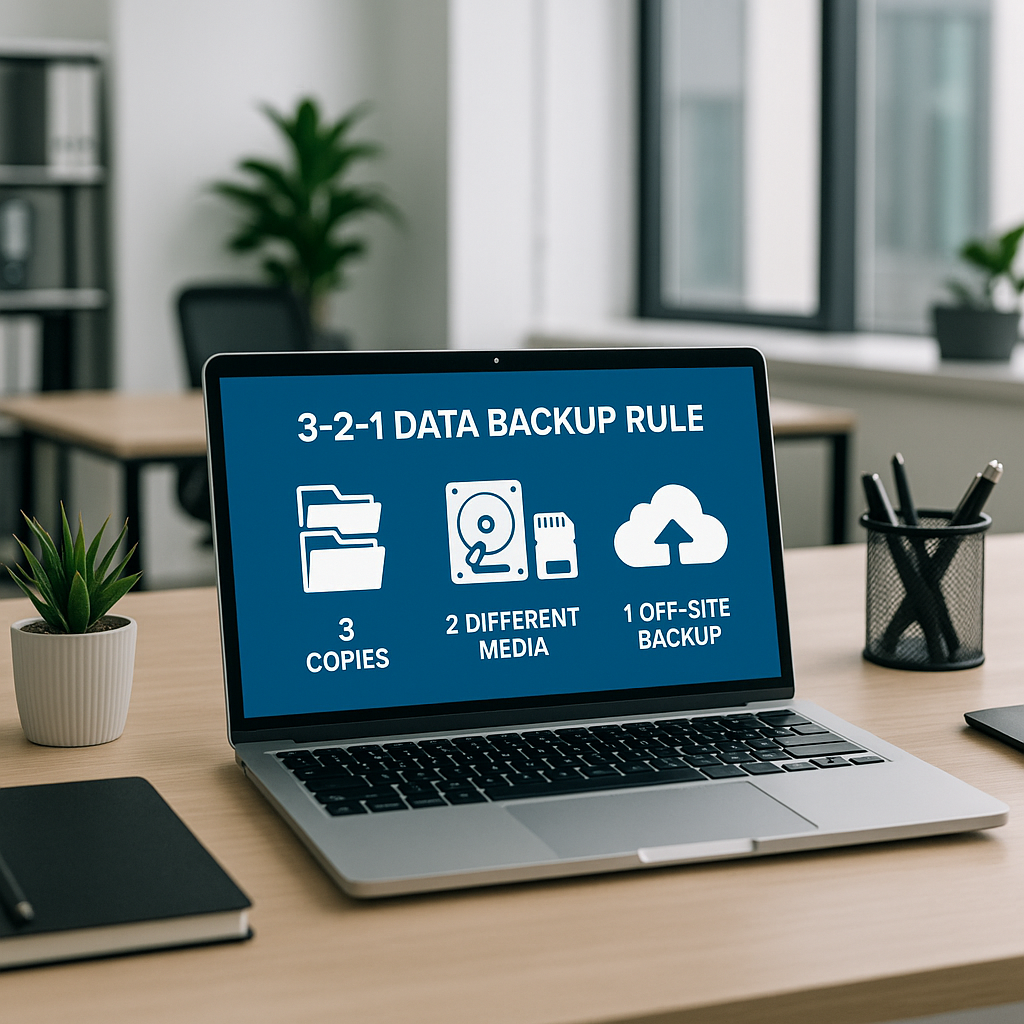
The 3-2-1 rule for data backup is straightforward: it recommends that you maintain three copies of your data on two different types of storage media, with one copy stored offsite. Here’s a breakdown of each component:
- 3 copies of your data: These include your original files plus at least two backups.
- 2 different types of storage media: Use at least two distinct technologies for your backups, such as a hard drive and cloud storage.
- 1 copy offsite: This ensures that even if your physical location is compromised (by a fire, flood, or theft), your data is still secure.
Why the 3-2-1 Rule Matters
Data loss can happen unexpectedly, and without a solid backup plan, you risk losing critical information that could impact your operations. For example, a café that loses its customer database might find itself struggling to contact loyal patrons for promotions, resulting in lost revenue. By following the 3-2-1 rule, you can mitigate the risks associated with data loss, providing peace of mind to you and your team.
How Custom Solutions Enhance Your Backup Strategy
At Best Choice, we understand the importance of having a tailored approach to data backup. While the 3-2-1 rule offers a strong foundation, there are numerous ways we can enhance this strategy to better suit your business needs:
- Automation: We can set up automated backup processes to ensure your data is continuously backed up without manual intervention.
- Custom Scheduling: Not all businesses operate on the same schedule. We will create a backup schedule that fits seamlessly into your workflow.
- Seamless Integration: If you’re using third-party platforms like Google Drive or Dropbox for storage, we can integrate these into your backup strategy, ensuring your data is streamlined and backed up efficiently.
Real-World Applications of the 3-2-1 Rule
Let’s look at some practical examples of how the 3-2-1 rule can work in various business sectors:
1. Cafés and Restaurants
Imagine you’re running a café that relies on a digital ordering system. By backing up your customer orders and inventory management data according to the 3-2-1 strategy, you can restore critical information in the event of a system failure, ensuring that your service continues uninterrupted and sales remain intact.
2. Online Retail Stores
As an online retailer, your products, customer data, and sales records are crucial for your success. Implementing the 3-2-1 rule can protect this information against cyber threats and ensure continuity in your operations. By combining local storage with offsite cloud solutions, you can enhance security and access your data whenever you need it.
3. Clinics and Healthcare Providers
In the healthcare industry, safeguarding patient data is imperative. By adopting the 3-2-1 backup rule, clinics can ensure compliance with regulatory requirements while also protecting sensitive patient information against unauthorized access and data loss.
Actionable Tips for Implementing the 3-2-1 Rule
Here are some actionable steps you can take to implement the 3-2-1 backup rule effectively:
- Assess Your Needs: Identify what data is most critical to your operations and ensure that these files are prioritized in your backup strategy.
- Evaluate Storage Options: Choose reliable storage options, like an external hard drive for local backups and reputable cloud services for offsite storage.
- Test Your Backups: Regularly test your backup systems to ensure that you can easily restore your data when needed.
Conclusion
Data loss can set a business back significantly, but implementing the 3-2-1 backup rule can provide essential safeguards for your company’s valuable information. Whether you’re a small café, an online store, or a healthcare provider, ensuring your data’s security is paramount. At Best Choice, we are committed to helping businesses across Denmark and Europe develop custom-built solutions that address their unique challenges. If you’re ready to enhance your backup strategy and secure your data effectively, don’t hesitate to contact us today!