Fake Job Interviews and the $6.34 Billion Crypto Heist: What Businesses Can Learn
According to the report provided, Binance has revealed further details about a cyberattack involving a reported $6.34 billion in digital assets. The alleged attackers used fake job interviews as part of their approach—a reminder that cybercriminals often target people and processes, not just software.
For business owners, the lesson applies well beyond crypto. A convincing recruiter, supplier, or job candidate can be used to build trust and persuade someone to share information or take an unsafe action. At Best Choice, we help businesses reduce these risks with practical security processes, automation, and systems designed around how their teams really work.
1. Why fake interviews can become a security risk
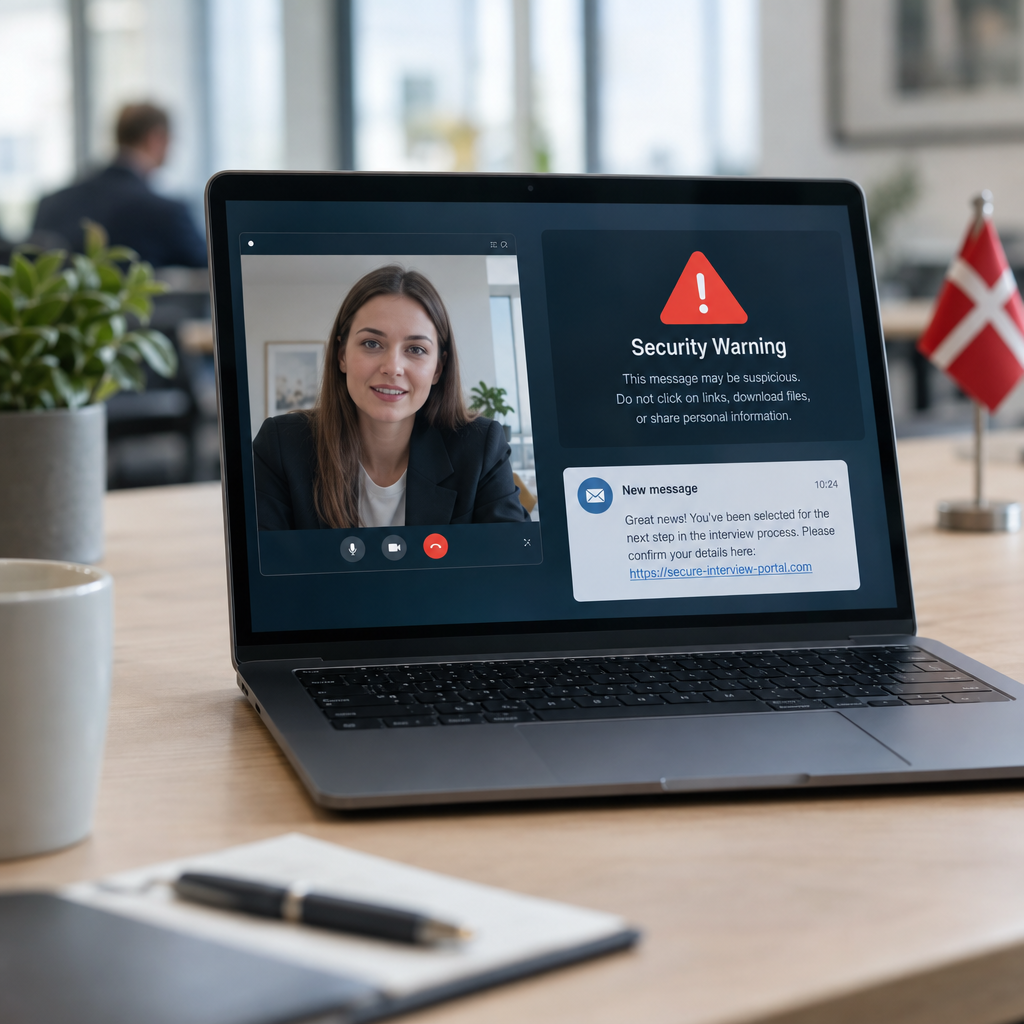
Social engineering is a type of attack that manipulates people into revealing information or taking an action that benefits the attacker. A fake interview can create a natural reason to communicate, exchange documents, join a video call, or install software. The danger often lies in the gradual development of trust rather than one obviously suspicious message.
The same approach can target a company through a fake supplier, customer, or consultant. For example, an attacker might pose as a job applicant and send a document that appears to contain a CV or portfolio. If an employee opens it without checking the sender or file, the conversation may become a route into company systems.
2. Protect hiring and everyday business workflows
Hiring processes move quickly, especially in growing companies. A café looking for seasonal staff, a clinic recruiting an administrator, or an online store hiring a developer may receive applications across email, messaging apps, and recruitment platforms. That creates opportunities for mistakes if staff are unsure how to handle unexpected links, files, or requests.
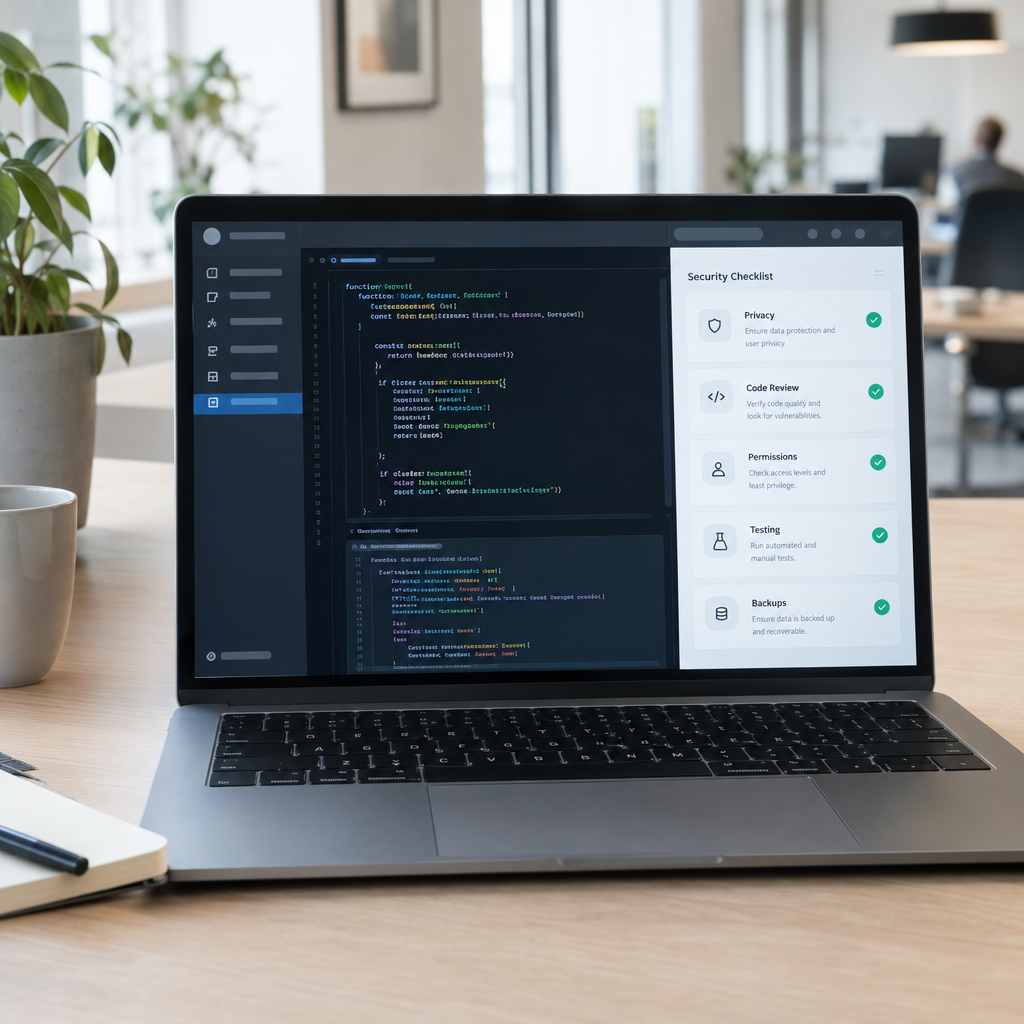
We recommend setting a clear, simple process: use approved channels, verify unusual requests through a second contact method, and avoid installing tools at an applicant’s request. Keep recruitment files in controlled storage, and give hiring staff only the access they need. A short checklist and regular staff training can prevent a rushed decision from becoming a costly incident.
3. Build security into your company’s systems
Security is stronger when it is part of the workflow rather than a separate burden. At Best Choice, we can build tailored internal systems that guide staff through approved steps, restrict access by role, and keep a record of important actions. For example, a recruitment workflow could flag unfamiliar file types, limit who can view candidate information, and remind staff to verify unusual requests.
Similar controls help across the business. A warehouse can use role-based access for stock and supplier systems, while an online store can require extra approval before changing payment details. These practical safeguards reduce reliance on memory and help teams work safely without slowing routine tasks.
4. Use monitoring and automation to spot warning signs
Businesses cannot prevent every suspicious message, but they can make unusual activity easier to notice. Alerts can highlight repeated failed logins, unexpected access to sensitive files, or changes to important account settings. Automated processes can also notify the right person when a high-risk action needs review.
We can connect relevant business systems and create monitoring or reporting workflows based on your needs. Open-source tools such as Wazuh can support security monitoring, while solutions such as Keycloak can help manage user access. These tools need suitable configuration and ongoing care; installing software alone is not a complete security strategy.
5. Prepare for incidents before they happen
If an employee suspects a fake interview or malicious file, they should know exactly what to do. A useful response plan explains how to report the issue, who can disable an account, how to preserve relevant records, and when to contact IT support. Quick action can limit the impact of a compromised email account or device.
Businesses in Denmark and across Europe should also consider privacy and data-protection responsibilities when handling employee, applicant, and customer information. Keep only the data you need, control who can access it, and review how it is stored and shared. We can help document these workflows and connect them to the tools your business already uses.
6. Turn the warning into practical next steps
Start with a short review of your highest-risk processes: recruitment, payments, supplier changes, customer account access, and file sharing. Ask where staff receive unexpected requests, which accounts have broad permissions, and whether people know how to report a concern. Fixing a small number of weak points can make a meaningful difference.
Also verify major cyberattack claims through reliable, current sources before sharing them with staff or customers. The reported loss in this story is exceptionally large, so it is important to distinguish confirmed facts from claims that may still be developing. Good security communication should inform people without creating unnecessary panic.
Conclusion
Fake job interviews show how attackers can exploit ordinary business activities to create security risks. Clear procedures, limited access, staff awareness, and well-designed automation can help protect your people and your operations.
At Best Choice, we build and integrate digital solutions that help businesses work more securely and efficiently. Contact us to review your workflows and find practical ways to strengthen your systems.