Could SpaceX’s Interest in Boost Mobile Change Business Connectivity?
Reports that SpaceX may buy Boost Mobile or use its mobile network point to an important shift in telecommunications: satellite and mobile services could work together more closely. A deal could give SpaceX a quicker route into the mobile market than building every part of a carrier business from scratch—but the exact benefits would depend on what is agreed.
For business owners, the story is about more than a possible acquisition. It raises practical questions about network coverage, backup connectivity, customer service and the future of mobile communications. At Best Choice, we help businesses turn these kinds of technology changes into useful, reliable workflows—not just new tools to manage.
1. Why Would SpaceX Want to Work with Boost Mobile?
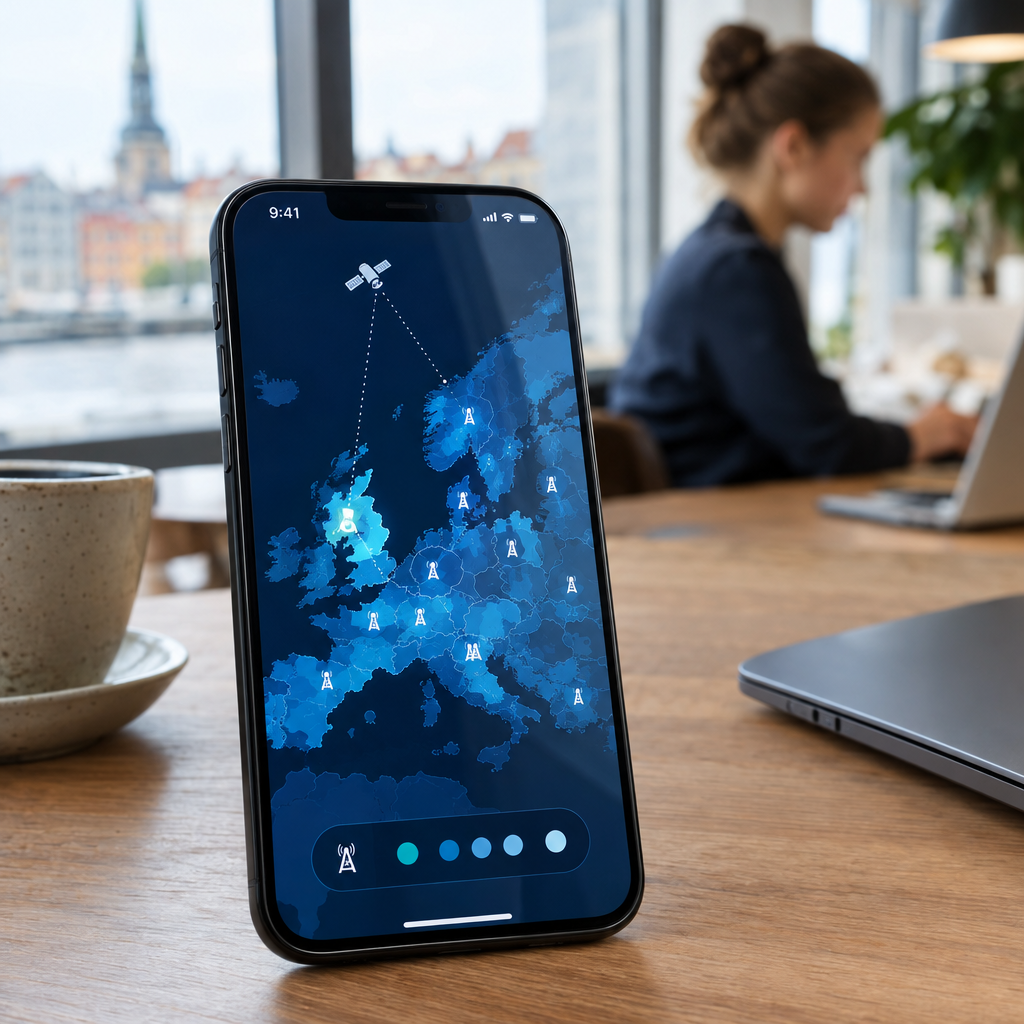
SpaceX has developed satellite connectivity, while Boost Mobile operates in the mobile carrier market. Buying a carrier or gaining access to its network could help SpaceX connect satellite services with traditional mobile infrastructure. That may be faster than building a complete mobile service operation independently.
The details matter. Buying a company, leasing network access and forming a partnership are very different arrangements. Each option would bring different responsibilities, costs and customer experiences, so businesses should wait for confirmed terms before making decisions based on the reports.
2. What Could Satellite and Mobile Networks Mean for Businesses?
A combined service could help extend connectivity to places where conventional mobile coverage is weak, such as rural properties, remote work sites or transport routes. Satellite connectivity may also offer another option when terrestrial networks are unavailable, although performance and availability will depend on the service, device and location.
For a Danish agricultural business, for example, improved connectivity could help staff send field updates or check equipment status. A logistics company might benefit from more consistent communication with vehicles. These are potential use cases, not guarantees: businesses should test coverage and service conditions in the places where they operate.
3. The Practical Value Is in Reliable Workflows
Connectivity is most valuable when it keeps essential work moving. A warehouse might need staff to scan stock and update orders throughout the day. A clinic may rely on access to appointment information, while an online store needs its payment and order systems to stay available.
At Best Choice, we can build custom integrations and monitoring dashboards that help businesses see whether key systems are online and identify connectivity problems sooner. We can also design workflows that queue information during an outage and sync it when the connection returns, where the software and business process allow it.
4. Don’t Confuse a New Network with a Complete Backup Plan
A satellite-enabled mobile service may improve coverage, but it should not be treated as a complete business continuity strategy. Important factors include indoor reception, device compatibility, data limits, latency, service availability and whether critical applications work well over the connection.
We recommend listing the systems your business cannot afford to lose access to, then testing realistic backup options. A café may need payment processing and order management; a booking service may need customer records and confirmations. Consider whether a second network, offline procedures or automatic failover is appropriate for each task.
5. What European and Danish Businesses Should Check
A reported US deal would not automatically change mobile service in Denmark or elsewhere in Europe. Network access, spectrum permissions, roaming arrangements, consumer rules and local partnerships all influence where a service can operate. European businesses should look for specific announcements about availability and terms in their own markets.
Before switching providers, compare coverage at your actual work locations, not just on a national map. Ask about service-level commitments, support, data handling and how the connection integrates with your existing systems. For organisations handling personal information, make sure any new service fits your privacy and security requirements, including relevant European data-protection obligations.
6. Prepare Your Business Without Rushing into a Change
You do not need to wait for a new carrier offer to improve connectivity planning. Document which teams, devices and applications rely on mobile internet, and identify locations where outages cause delays or lost sales. Then measure the business impact so you can compare future solutions on more than price alone.
We can help map your current systems, connect platforms through APIs, automate routine updates and create alerts for service interruptions. If a new mobile or satellite option becomes suitable, a well-planned integration can make it easier to adopt without disrupting staff or customers.
Conclusion
SpaceX’s reported interest in Boost Mobile could signal a closer link between satellite and mobile networks, but the outcome and regional availability remain uncertain. For businesses, the smart move is to focus on dependable connectivity, practical backup plans and systems that can adapt as services change.
At Best Choice, we help businesses across Denmark and Europe improve their digital workflows with custom-built integrations, automation and monitoring solutions. Contact us to discuss how to make your business systems more reliable and ready for what comes next.