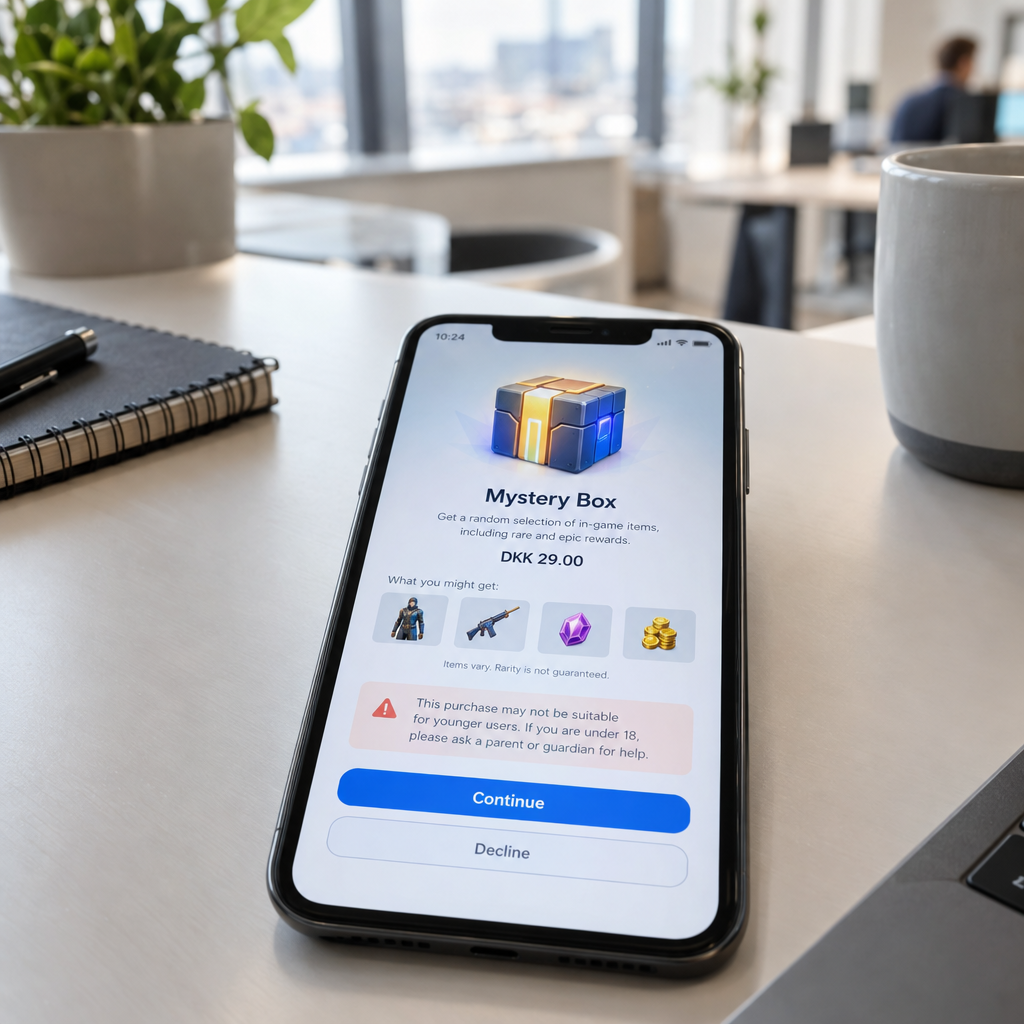
Europe Wants to Ban Dark Patterns and Loot Boxes for Minors: What Businesses Should Do
Across Europe, regulators are paying closer attention to digital design that nudges people into decisions they may not have intended. Examples include confusing subscription cancellations, countdowns that create false urgency, and game features that encourage children to spend money. The EU’s proposed Digital Fairness Act reflects this growing focus, building on consumer protection rules that already apply to online services.
For business owners, this is more than a legal discussion. Clear, fair digital experiences can build trust, reduce complaints and help customers complete tasks with confidence. At Best Choice, we help businesses design and improve websites, apps, booking systems and online shops so that useful automation supports customers rather than pressures them.
1. What Europe means by “dark patterns”
Dark patterns are interface choices that steer people toward actions that benefit a business while making other choices harder to see or complete. A customer might find it easy to accept marketing cookies but difficult to reject them, or discover that cancelling a service takes several more steps than signing up.
Not every persuasive design choice is unfair. A clear reminder about an abandoned basket can be helpful, for example. The concern is whether the design hides important information, creates misleading pressure or makes it unnecessarily difficult for someone to say no.
2. Why loot boxes and children are a particular concern
Loot boxes are paid or earned in-game items that contain a random reward. Because players may not know what they will receive, regulators and consumer advocates have raised concerns about spending, transparency and the potential effect on children.
Europe does not have one simple, universal rule that treats every loot box in the same way. Requirements can depend on how a feature works and on national laws. Businesses offering games or digital services to European users should therefore review pricing, reward odds, age protections and spending controls for the markets they serve.
3. The rules are evolving—but existing protections matter now
The proposed Digital Fairness Act signals that the EU wants to address harmful digital practices more directly. Its final scope and requirements depend on the legislative process, so businesses should avoid assuming that every proposed measure is already law.
At the same time, existing European consumer protection and data protection rules may already apply. For companies in Denmark and elsewhere in Europe, a sensible approach is to design for transparency now: show the real price, explain recurring payments, make cancellation accessible, and obtain valid consent where required.
4. Make digital journeys clear and easy to control
A fair interface should help customers understand what will happen before they act. Use straightforward labels, display important terms near the relevant button, and make “accept” and “decline” options similarly clear. Avoid preselected paid extras or messages that suggest a deal is scarce when it is not.
We at Best Choice can build or improve custom websites, webshops and booking systems around these principles. For example, a clinic can show appointment fees and cancellation terms before confirmation, while a café can make optional add-ons genuinely optional at checkout.
5. Use automation to reduce friction—not create pressure
Automation can make a customer journey fairer when it removes repetitive work and gives people useful information. A booking system can send a clear confirmation and reminder; a webshop can provide order updates; and a customer portal can let users change preferences without contacting support.
We can connect these journeys to a business’s CRM, payment services and internal systems, while keeping consent and customer choices visible. For an online store, that might mean separating essential order messages from marketing emails. For a subscription service, it could mean providing a simple account page to manage or cancel a plan.
6. Practical steps for a responsible digital experience
- Review key journeys: Test sign-up, checkout, consent, subscription changes and cancellation on both mobile and desktop.
- Check how prices are shown: Make fees, renewals, paid features and refund terms easy to understand before purchase.
- Consider younger users: Review age-appropriate design, spending safeguards and parental controls where children may use the service.
- Test with real customers: Ask people to complete common tasks and note where instructions or choices are confusing.
- Keep evidence and improve: Document design decisions, collect feedback and revisit the experience when products or rules change.
Open-source tools such as Matomo can support privacy-conscious website analytics when configured appropriately. We can also help connect analytics and customer systems so businesses can understand where people struggle without relying on manipulative interface tactics.
Build trust into your digital products
European rules on digital fairness are developing, but businesses do not need to wait for every detail to be settled before improving their customer experience. Transparent choices, honest pricing and straightforward controls are practical ways to reduce friction and strengthen trust.
If you want to review a website, webshop, app or booking process, contact Best Choice. We can help you identify problem areas and build a digital solution that supports your customers and your business.