# How to Stop Meta from Training Its AI Models on Your Smart Glasses’ Visual Data
As a business decision-maker or entrepreneur, data privacy is undoubtedly a pressing concern in today’s digital landscape. With companies like Meta continually expanding their AI capabilities, it is crucial to understand how your smart devices — like smart glasses — may inadvertently contribute data to these large-scale AI training efforts. Protecting your visual data from being used without your consent is vital not only for maintaining confidentiality but also for safeguarding your brand’s integrity. In this blog, I’ll guide you through how to manage these settings effectively and ensure that your visual data remains private.
## Understanding Visual Data Privacy
When we talk about smart glasses, we’re referring to devices that integrate technology into our everyday lives, allowing features such as augmented reality (AR) and instant access to information through visual inputs. However, this technological marvel raises significant concerns regarding data ownership and privacy.
Many employers, especially in fields that involve sensitive or confidential data, are concerned about the implications of having their visual environments captured and potentially utilized to train AI models. The reality is, if the settings on these devices are not properly managed, your visual data could become part of a larger dataset that trains Meta’s AI systems, raising ethical concerns over how your data is utilized.
## How Smart Glasses Impact Business Workflows
The use of smart glasses can enhance workflows in numerous sectors. For example, a warehouse can institute smart glasses for inventory management, allowing workers to scan items hands-free, streamlining operations and improving efficiency.
In healthcare, clinics are using smart glasses for telemedicine, enabling doctors to consult with patients remotely while accessing vital information in real-time. However, businesses must address the potential misuse of the visual data collected from these experiences. Ensuring your smart glasses’ data is not harvested for AI development is a critical step to maintaining ethical standards and customer trust.
### Managing Your Smart Glasses Settings
To ensure your visual data is kept private, it’s important to manage and configure your smart glasses settings effectively. Here are actionable steps that can help you in accomplishing this:
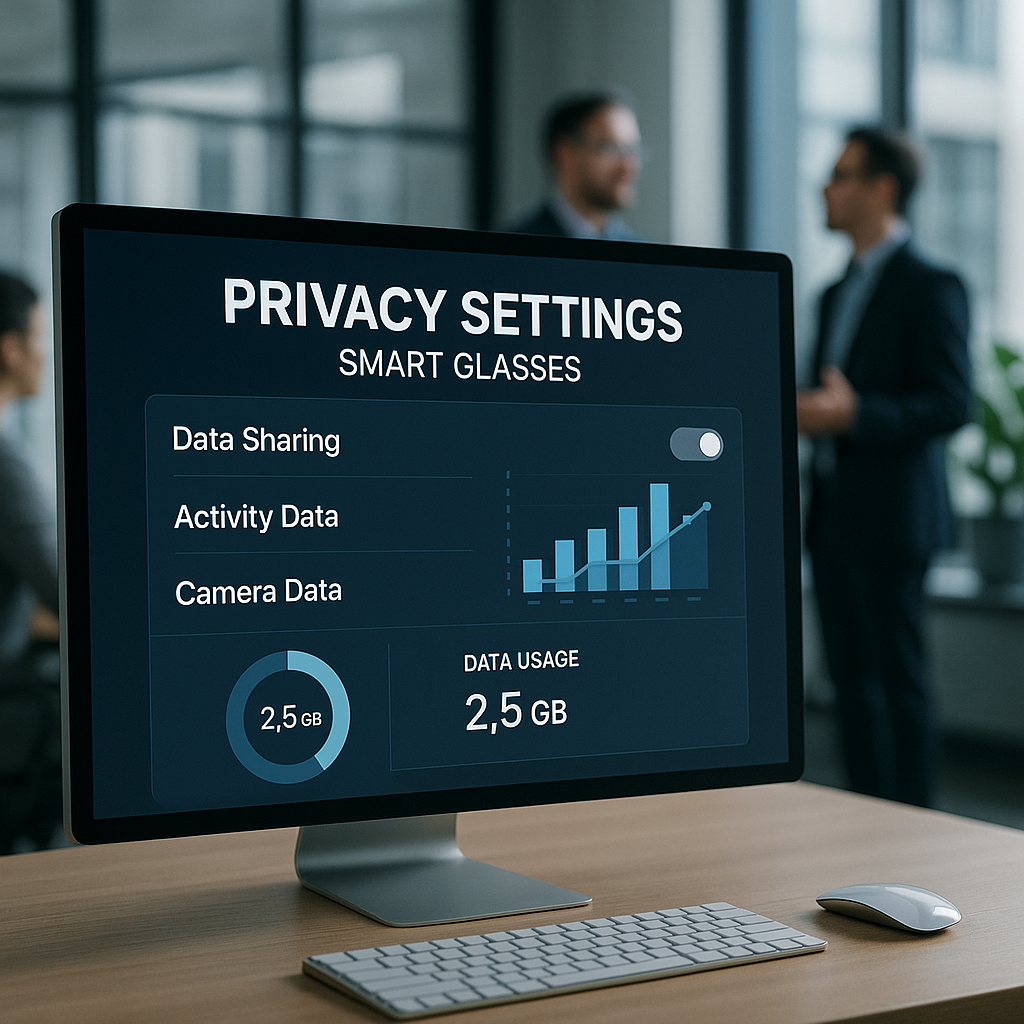
1. **Access Privacy Settings**: Start by reviewing the privacy settings on your smart glasses. Most devices allow you to manage data collected from your visuals, including options to disable data sharing.
2. **Limit Photo and Video Recording**: Depending on the purpose of your smart glasses, limit the functionality that allows unnecessary recording or shared visuals. If your glasses capture video or photos, you may opt to turn off the recording features when not required.
3. **Review Permissions**: Regularly check the permissions granted to applications linked with your smart glasses. Ensure that they are strictly necessary for the operation and check for inadvertent permissions that allow data sharing.
### Employing Open-Source Solutions
Open-source solutions can also provide further layers of control to data privacy. Solutions like **OpenCV** or **TensorFlow** can be tailored to build applications that run predictive analytics or data processing locally, hence minimizing the risk of sending sensitive visual data to external servers or AI models.
Using such custom solutions can better ensure that data stays in-house. As businesses across Denmark and Europe adopt these measures, we see a growing trend in companies valuing data privacy as a unique selling proposition.
### Leveraging Integration Services
If managing privacy settings manually feels overwhelming, we at Best Choice can offer seamless integration of privacy-focused IT solutions suited for your needs. From customizing your data management systems to optimizing your existing platforms, we can help bolster your data security while enhancing operational efficiency.
Implementing a robust CRM in conjunction with your smart glasses can streamline data management while keeping visual data secure. For example, a clinic could employ patient consent forms integrated into their system to manage which visual data can be captured, reviewed, and retained.
### The Business Case
Here’s how addressing visual data privacy can yield tangible benefits:
– **Boost Customer Trust**: When customers know their data privacy is a priority for your business, it fosters loyalty and trust, which could lead to improved revenues.
– **Streamlined Operations**: Configuring smart glasses to operate within defined privacy limits can lead to smoother workflows. You can ensure you capture necessary data without inadvertently sending visuals for AI training.
– **Informed Compliance**: Making informed decisions about what data is collected and shared can ease compliance with local data protection laws, boosting your business’s reputation and reliability.
## Conclusion
In summary, navigating data privacy, especially regarding smart glasses, may seem daunting. However, by being proactive and managing settings appropriately, you can protect your visual data from being unwittingly shared with AI models.
At Best Choice, we are committed to helping businesses like yours navigate these complexities, providing tailored IT solutions to improve workflow and uphold your brand integrity. If you have questions or need assistance in protecting your visual data, don’t hesitate to reach out to us today!