## Revolutionizing Ocean Monitoring: The Future of Ocean-Sensing Drones
The world is undergoing a technological renaissance characterized by groundbreaking inventions that promise to transform how we understand and interact with our environment. One of the most promising developments on the horizon is the emergence of cutting-edge ocean-sensing drones. These innovative machines are designed to withstand the harshest conditions of the ocean depths and could potentially survey up to 98 percent of the Earth’s oceans by 2028. As business decision-makers and entrepreneurs, it is crucial to understand the implications of these advancements, not just for environmental monitoring but also for industries like shipping, fisheries, and environmental consulting.
At Best Choice, we recognize the significance of these drones and how they can be integrated into various business operations. Understanding this technology is not just an environmental concern; it’s an economic opportunity that can streamline operations, drive efficiency, and provide critical insights into ocean health. Let’s delve into what ocean-sensing drones are, how they work, and the advantages they bring to businesses.
### Understanding Ocean-Sensing Drones
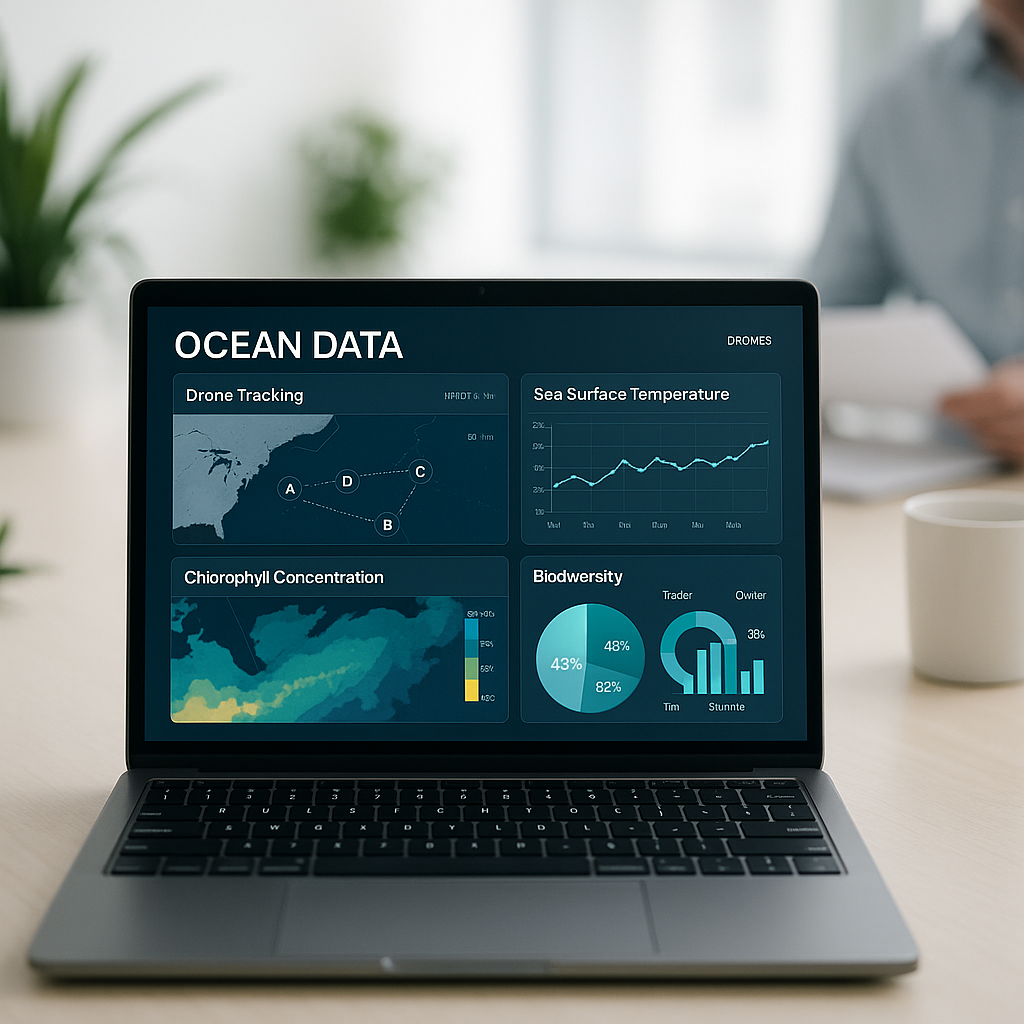
Ocean-sensing drones are advanced aerial vehicles equipped with various instruments capable of measuring different environmental parameters. These include temperature, salinity, pollutants, and biological activity present in the oceans. Unlike traditional ocean monitoring methods, which are often cumbersome, these drones can autonomously collect data over vast areas, making them more efficient and less costly to operate.
**Key Features:**
– **Robust Design:** Built to withstand extreme depths and turbulent weather conditions.
– **Advanced Sensors:** Capable of gathering data on a multitude of oceanic and atmospheric conditions.
– **Autonomous Operation:** Able to operate independently for extended periods, covering significant distances.
The implications of using these drones are immense. For example, a shipping company could deploy these drones to ensure that routes taken avoid environmental hazards, thus safeguarding valuable cargo and minimizing insurance costs.
### Enhancing Environmental Stewardship
In an era where sustainability is paramount, ocean-sensing drones offer a revolutionary way to monitor the health of the oceans. Businesses involved in fisheries, tourism, or coastal development can benefit significantly by keeping track of vital ocean metrics.
**Real Business Example: A Fisheries Management Firm**
Imagine a fisheries management firm that utilizes drone technology to monitor fish populations and water quality. By doing so, they can make informed decisions about fishing quotas and practices, leading to sustainable harvesting that preserves marine biodiversity while also enhancing their bottom line.
### Supporting Research and Development
For research institutions and environmental agencies, ocean-sensing drones could dramatically facilitate data acquisition, paving the way for advanced research on climate change and biodiversity loss.
**Collaboration with Scientific Communities:**
By partnering with local universities, companies can use these drones for joint research projects, deepening our understanding of marine ecosystems while simultaneously benefitting from access to top-notch scientific analysis.
### Optimizing Supply Chain Management
Companies involved in maritime logistics could leverage insights from ocean-sensing drones to optimize shipping routes. By monitoring oceanographic conditions such as currents and temperatures, logistics companies can better predict travel times and reduce fuel costs.
**Example: A Shipping Company**
A Danish shipping company, for instance, could use drone-collected data to dynamically alter shipping routes based on real-time ocean conditions, resulting in improved delivery times and reduced operational costs.
### Improving Compliance and Regulatory Reporting
For businesses in the oil, gas, and mining sectors, adhering to environmental regulations is not just a legal obligation; it’s also a matter of corporate responsibility. Ocean-sensing drones can provide continuous monitoring capabilities that help ensure compliance with environmental regulations.
**Automated Reporting:**
With real-time data collection, companies can generate accurate reports for regulatory bodies, reducing the administrative burden and the risk of penalties.
### Tailoring Automation Solutions
At Best Choice, we specialize in creating custom-built solutions that integrate ocean-sensing technology with existing business systems. Imagine a scenario where your CRM or ERP system automatically receives data from ocean-sensing drones, enabling you to make proactive decisions based on the health of the ocean.
**Benefits of Integration:**
– **Enhanced Decision-Making:** Greater insight leads to better strategic choices.
– **Time Savings:** Automating data reporting reduces manual entry.
– **Cost Efficiency:** Targeted actions based on data can lead to substantial cost savings.
### Conclusion
The age of ocean-sensing drones is upon us, and the potential impacts on various industries are profound. These drones not only allow for unprecedented monitoring of ocean health but also foster efficiency, enhance sustainability, and ensure compliance across a multitude of sectors.
As business leaders, it is essential to stay ahead of these trends and explore how such technology can be integrated into your operations. If you’re interested in leveraging ocean-sensing technology or discussing custom solutions to enhance your business, I invite you to reach out to us at Best Choice. Let’s innovate together and pave the way for a more sustainable future.