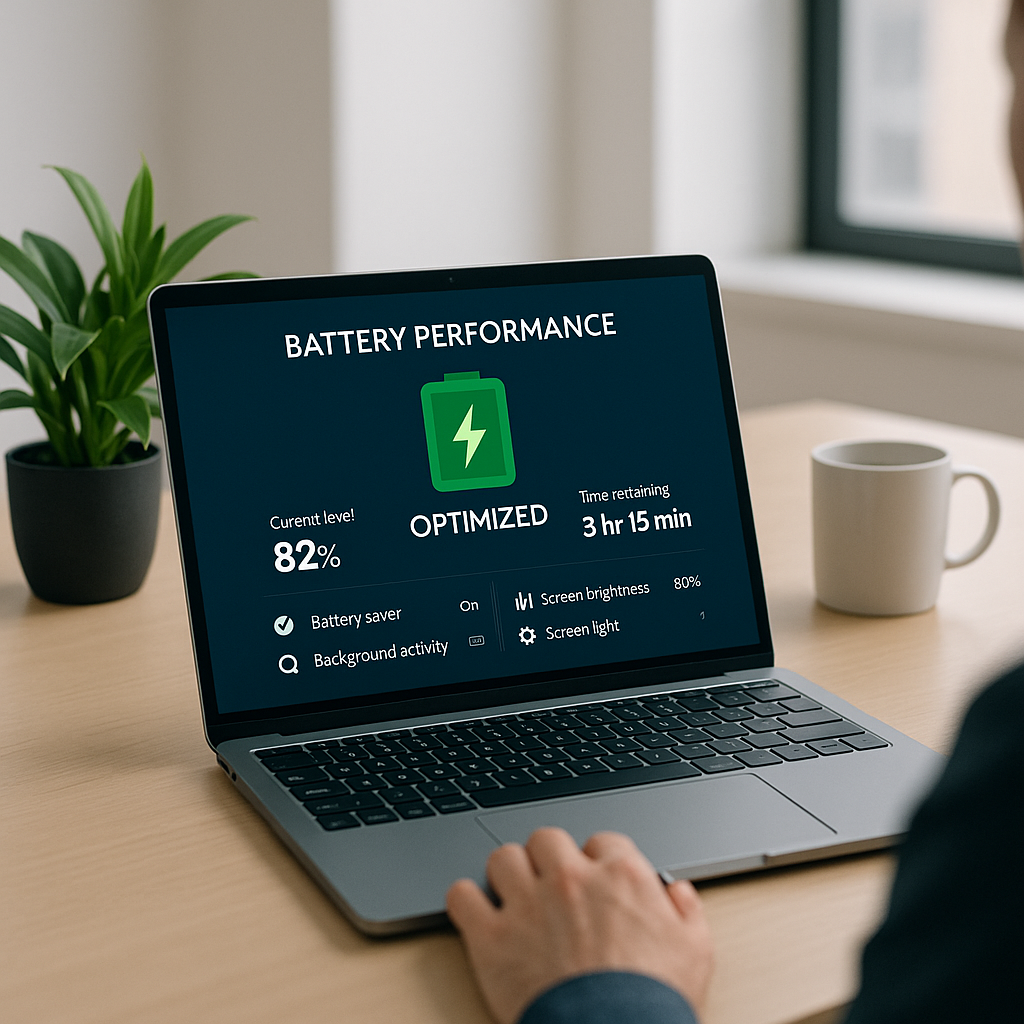
Understanding the Difference Between Battery Capacity and Battery Life
As I navigate the world of technology with my team at Best Choice, I often encounter questions about battery performance in devices, particularly in relation to battery capacity and battery life. These terms are frequently used interchangeably, yet they refer to two distinct concepts that are crucial for understanding how rechargeable batteries function in electronic devices, from mobile phones to electric vehicles.
In a market where businesses rely heavily on gadgets and electronic tools, such as smartphones, tablets, and laptops, comprehending these differences is not only beneficial but necessary. Knowing how battery capacity influences battery life can assist in making informed decisions when selecting devices or technologies that empower business operations, potentially improving our workflows and maximizing productivity.
What is Battery Capacity?
Battery capacity is measured in milliampere-hours (mAh) or ampere-hours (Ah), representing the total amount of electric charge a battery can store. Essentially, it indicates how much power a battery can deliver over a certain period of time. For instance, a battery with a capacity of 3000 mAh can theoretically supply 300 mA of current for 10 hours.
Capacity Doesn’t Equate to Longevity
However, a high capacity doesn’t always mean the device will last longer between charges. Factors such as device power consumption, usage patterns, and the age of the battery all affect its overall performance. For example, if you run numerous power-hungry applications simultaneously, even a high-capacity battery can drain much faster than expected.
What is Battery Life?
Battery life refers to the duration a device can run before it needs to be charged again. It’s often the figure that consumers care about most — after all, knowing how long we can use our devices before needing to plug them in is crucial. While may it seem straightforward, factors affecting battery life are multifaceted.
Factors Influencing Battery Life
Several factors can influence battery life, including:
- Device Power Management: Some devices have advanced power-saving features that help to extend battery life.
- Usage Patterns: More resource-intensive tasks such as gaming and video streaming deplete battery life much faster than basic functions.
- Environmental Factors: Temperature fluctuations can impact battery performance and longevity.
- Battery Age: Over time, batteries lose their ability to hold maximum charge, affecting both capacity and life.
Understanding the Relationship Between Capacity and Life
While it’s tempting to look only at battery capacity, understanding how it interacts with other factors to define battery life is vital for anyone seeking effective solutions for their businesses. For instance, in a busy cafe environment, ensuring your Point of Sale (POS) system has a battery with both adequate capacity and an optimized battery life is essential for uninterrupted service. A system that lasts through peak hours without frequent charging significantly enhances customer satisfaction.
Real Business Examples
Imagine a logistics warehouse that heavily relies on handheld scanning devices for tracking inventory. These devices often operate throughout the day, requiring a careful balance between battery capacity and power consumption. Here, implementing battery management software can help monitor usage patterns, extending battery life beyond expected levels and preventing operational downtime.
Best Practices for Maximizing Battery Performance
Now that we’ve uncovered the distinctions and connections between battery capacity and battery life, consider the following actionable tips for maximizing your devices’ performance:
- Utilize Energy-Saving Modes: Most devices come with built-in energy-saving features that can help extend battery life.
- Regular Software Updates: Keeping software updated ensures the best performance and optimization for power management.
- Avoid Extreme Temperatures: Storing and operating devices in extreme heat or cold can drastically reduce battery life.
- Charging Habits: Avoid letting your batteries fully drain frequently; it can shorten their lifespan. Instead, charge them up when they reach around 20-30%.
Conclusion
Understanding the difference between battery capacity and battery life is foundational in today’s digital age, especially for business decision-makers and entrepreneurs like you. Whether you run a clinic that requires mobile health equipment or an online store dependent on uninterrupted digital transactions, knowing these nuances can save you time, enhance your workflows, and ultimately boost your revenue.
If you’re looking for help in optimizing your battery-operated devices or exploring custom-built solutions tailored to your business needs, reach out to us at Best Choice. Together, we can find the right technology to enhance your operational efficiency and ensure your technology works as hard as you do.