What the EU’s concerns about TikTok’s “rabbit hole” algorithm mean for businesses
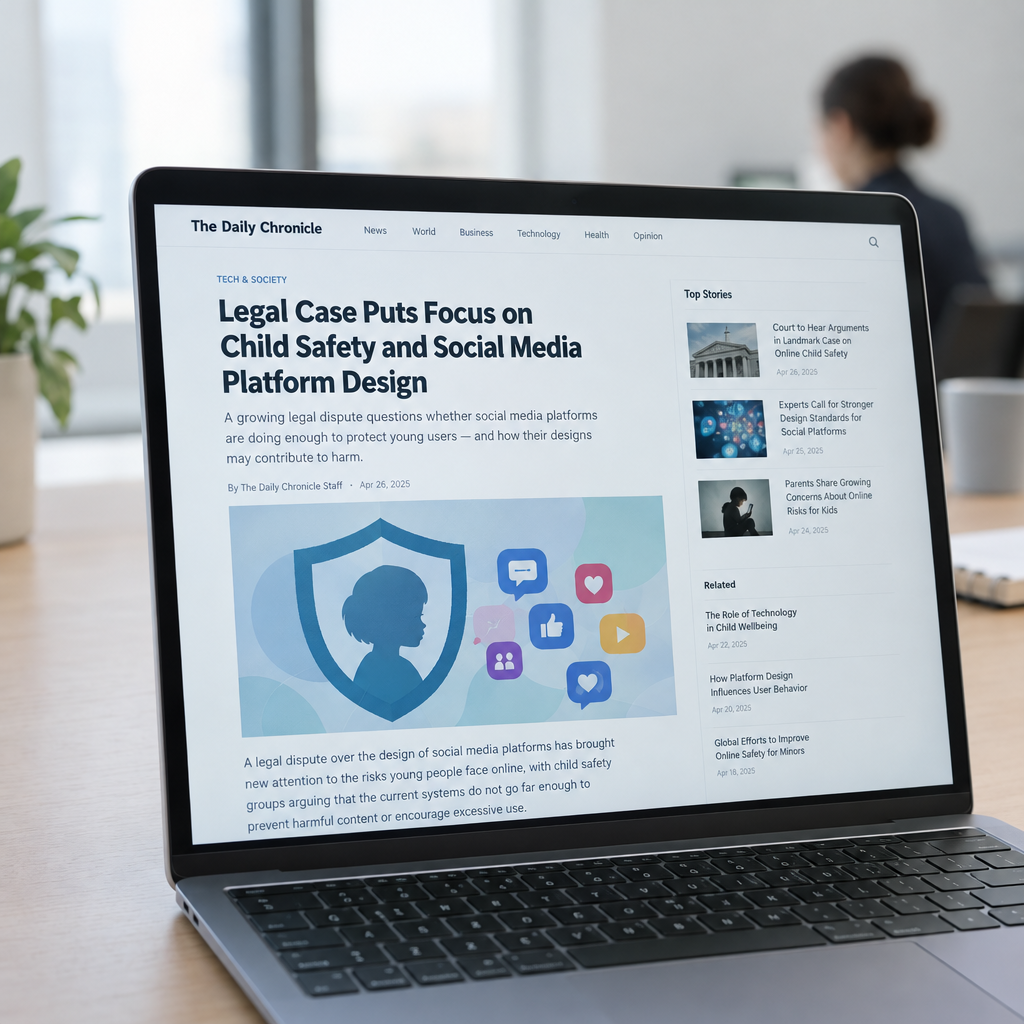
When a social media platform keeps recommending increasingly similar videos, users can find themselves scrolling for much longer than they planned. The European Union has raised concerns about TikTok’s recommendation system, including how its “For You” page may affect users’ mental health and whether the platform is meeting its obligations under EU digital rules. These are regulatory concerns, not a reason for businesses to assume that every recommendation algorithm is harmful.
For business owners, the issue is a useful reminder: digital products shape people’s choices and habits. Whether you run a webshop, booking service or customer portal, the way your software recommends, ranks or displays content can affect trust as well as results. At Best Choice, we help businesses build and improve digital solutions with clear goals, useful automation and responsible user experiences.
1. What is a “rabbit hole” recommendation algorithm?
Recommendation algorithms select what a person sees based on signals such as previous clicks, watch time, searches and likes. A social platform may use those signals to show content it predicts will keep someone interested. The concern behind the “rabbit hole” description is that recommendations may become progressively narrower or more intense, encouraging prolonged use or repeatedly exposing someone to similar material.
The EU’s scrutiny of TikTok is connected to its responsibilities under the Digital Services Act (DSA). The rules require very large online platforms to assess and address certain risks, including risks related to users’ well-being. The Commission’s concerns should be understood as part of a regulatory process—not as a general finding that recommendation technology is automatically unsafe.
2. Why should a small or medium-sized business pay attention?
Most Danish businesses are not large social networks, but many use digital systems that influence user decisions. An online store might recommend products, a clinic portal might suggest appointment slots, and a booking service might send reminders based on customer activity. If those features are confusing, excessive or difficult to control, they can weaken trust and create customer complaints.
Responsible design is also practical. A café that sends a customer three promotional messages in one day may lose a subscriber, while a webshop that recommends relevant accessories can make shopping easier. The goal is not to maximise clicks at any cost. It is to help customers complete useful tasks and give them a clear way to manage their preferences.
3. Build recommendations around a clear business purpose
Before adding recommendations, decide what problem they should solve. For a warehouse, a custom dashboard could highlight stock that is likely to run low, helping staff reorder before a popular product sells out. For an online store, a recommendation feature could suggest compatible items based on product details and a shopper’s current basket.
We at Best Choice can develop tailored systems that connect your website, customer database and inventory tools. Instead of relying on a generic feature that may not fit your processes, we can define which data is useful, how recommendations are selected and what controls staff or customers need. That makes automation more relevant and easier to maintain.
4. Make user control and transparency part of the design
Customers should be able to understand why they are seeing a recommendation and, where appropriate, change the settings behind it. Useful controls might include opting out of personalised suggestions, adjusting notification frequency or clearing saved preferences. Clear explanations can reduce confusion and help people feel more confident using your service.
For example, a booking service could let customers choose whether they want appointment reminders by email or SMS. A clinic could separate essential service updates from optional health information, with suitable privacy safeguards. These small design choices make a digital product more considerate without making it less useful.
5. Measure customer value, not just attention
Time spent on a page is only one possible metric, and it is not always a good measure of success. A customer who finds the right product in two minutes may be better served than one who spends twenty minutes browsing. Businesses can also track completed bookings, repeat purchases, support requests, unsubscribe rates and customer feedback.
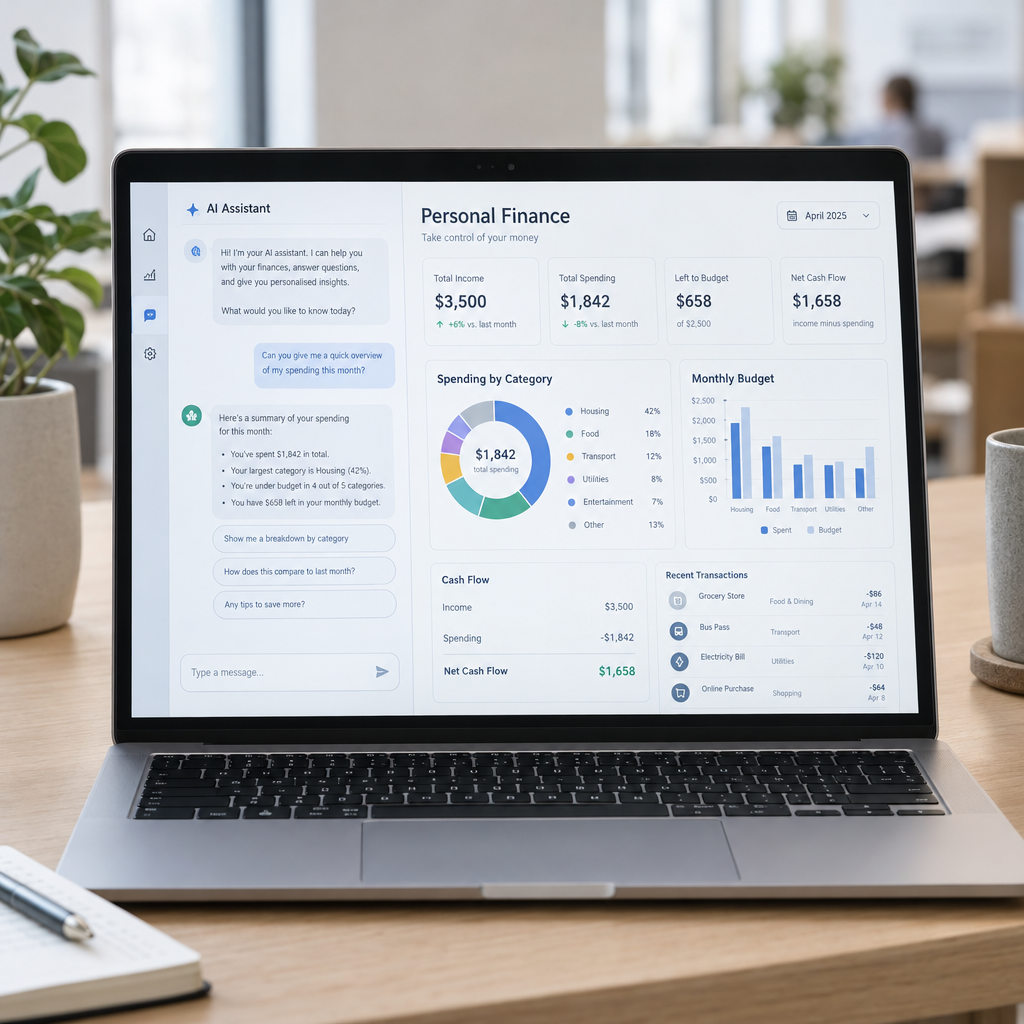
A custom analytics dashboard can bring these measures together, helping managers spot problems early. For a Danish retailer, for instance, it could show whether product recommendations increase completed orders without also increasing returns. We can connect reporting tools and business systems so teams work from reliable data rather than guesswork.
6. Review privacy, security and compliance as you grow
Recommendation features depend on data, so businesses should collect only what they need and explain how it is used. Review access permissions, retention periods and integrations with other services. If you operate in Denmark or elsewhere in Europe, consider your obligations under relevant data protection rules and seek legal advice when you need an interpretation of your specific responsibilities.
Open-source tools can also support a flexible setup. For example, Matomo can provide website analytics, while established open-source platforms can form part of a broader content or commerce system. The right choice depends on your requirements; a tool still needs careful configuration, security updates and integration with your existing workflow.
Conclusion: create digital experiences people trust
The EU’s concerns about TikTok highlight a broader challenge for digital businesses: technology should support people, not simply hold their attention. Clear purpose, sensible data use, user controls and meaningful performance measures can help make recommendations more useful and build lasting customer trust.
If you want to improve an existing website or create a custom recommendation, analytics or automation system, contact Best Choice. We can help you find a practical solution that fits your business and your customers.