Why Scammers Try to Keep You on the Phone—and How to Spot Their Tactics
A convincing phone call can make even a careful person feel rushed. The caller may claim to be from your bank, a public authority, a supplier or your IT support team. They might sound friendly and helpful, but their real goal could be to keep you talking long enough to make a payment, reveal a password or share confidential business information.
For businesses in Denmark and across Europe, scam calls are more than an inconvenience: they can disrupt work, expose customer data and lead to financial loss. At Best Choice, we help businesses improve how calls are handled through practical IT, automation and communication solutions. Understanding the pressure tactics is a good first step toward protecting your team.
1. Why scammers want you to stay on the line
Scammers often try to control the conversation from the start. As long as you stay on the phone, they can guide your attention, answer your questions with a prepared story and make it harder to pause and check whether their claims are genuine.
They may also create a false sense of urgency: a payment must be made immediately, an account will be closed, or a security problem is already underway. Stress makes it harder to think clearly. The caller may even discourage you from speaking to colleagues or family, because a second opinion could expose the deception.
2. Common pressure tactics to recognise
A scammer may use a script, fake credentials or details gathered from public websites and social media. They might know your name, job title or company, but those details do not prove that the caller is legitimate. A familiar-sounding phone number can also be misleading, since caller ID may be falsified.
- Urgency: “You must act now or you will lose access.”
- Authority: The caller claims to represent a bank, government agency or technology provider.
- Secrecy: They tell you not to contact anyone else or mention the call.
- Remote access: They ask you to install software or share your screen to “fix” a problem.
- Unusual payment requests: They ask for gift cards, cryptocurrency or a transfer to a supposedly safe account.
One sign on its own may not prove a call is fraudulent. However, pressure combined with requests for passwords, security codes, remote access or unexpected payments should prompt you to stop and verify.
3. What to do when a call feels suspicious
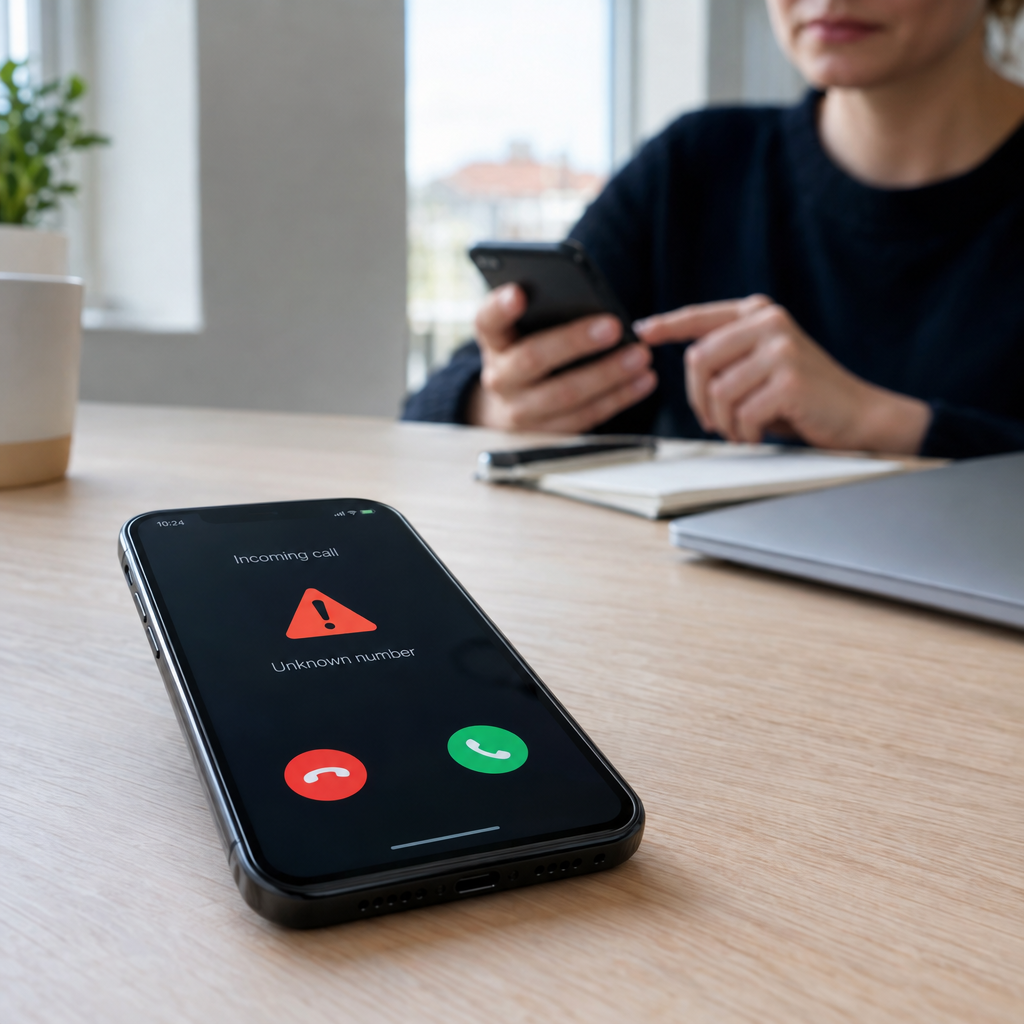
You are allowed to end a call. A genuine bank, supplier or public authority should not require you to stay on the phone while you make a high-risk decision. Do not use a number or link supplied by the caller to verify their identity.
Instead, hang up and contact the organisation through a trusted channel, such as the number on its official website, a previous invoice or the back of your bank card. For a business payment request, confirm it with a known contact using a separate communication method. Never share passwords or one-time security codes with a caller.
4. How better call workflows protect a business
Good call-handling processes help staff respond consistently, even when the caller sounds convincing. We at Best Choice can build call workflows around how your business operates—for example, routing calls to the right team, giving staff a clear verification checklist and recording a short prompt that reminds callers not to share sensitive credentials.
A café might route supplier calls to a manager rather than letting any employee change payment details. A clinic can direct requests involving patient information to trained staff. An online store can set a process for verifying urgent refund or delivery requests before changing customer or bank records.
These workflows can connect your phone system with business tools such as a CRM or internal ticketing process, where appropriate. The aim is not to label every unfamiliar caller as a scammer. It is to make high-risk actions—such as changing bank details or granting system access—require a reliable check.
5. Use phone systems and automation carefully
A well-configured business phone system can make it easier to direct calls, give staff consistent instructions and manage busy periods. Depending on your requirements, we can configure a tailored phone setup or improve an existing one. Open-source options such as Asterisk and FreePBX are used by organisations in Denmark and across Europe, and can be adapted for business call routing and integrations.
Automation can also support reporting and follow-up. For example, a system might log a call outcome or create a task for a manager to verify a requested account change. Automated screening can help organise calls, but it should not replace human judgement or promise to detect every scam. Keep access limited, review system settings and collect only the information your business genuinely needs.
6. Give employees a simple response plan
Security advice works best when it is easy to remember and practical to follow. Train employees to pause, end suspicious calls, verify requests through a known channel and report incidents promptly. Make it clear that staff will not be blamed for asking a colleague to check a request before taking action.
Review the plan when your team, phone system or payment process changes. If someone has shared a password, code or payment details, act quickly: contact your bank or relevant provider, change affected credentials and follow your company’s incident process. If personal data may be involved, assess the situation under applicable GDPR obligations and seek appropriate guidance.
Protect your business from phone scams
Scammers keep people on the phone because time, pressure and distraction can make a false story feel believable. A calm pause and an independent verification step can prevent a costly mistake. Clear call procedures, staff training and carefully designed IT workflows make that response easier to follow.
At Best Choice, we help businesses improve phone systems, automate routine processes and connect communication tools with the systems their teams already use. Contact us to discuss a practical setup that supports your workflow and helps your staff handle suspicious calls with confidence.