A US jury has found Huawei guilty of conspiracy to steal trade secrets, in a case dating back to 2019. The verdict puts intellectual property protection back in the spotlight—not only for large technology companies, but for every business that relies on valuable designs, software, customer information, processes, or research.
For business leaders in Denmark and across Europe, the practical question is how to protect sensitive information without slowing down everyday work. At Best Choice, we help businesses design secure digital workflows, manage access to important data, and automate routine tasks while keeping information under control.
1. What the verdict means for businesses
The case is a reminder that trade-secret disputes can have serious consequences. A trade secret might be a manufacturing method, source code, a pricing model, a customer list, or knowledge that gives a company an advantage over competitors. Unlike a patent, a trade secret generally depends on the owner taking reasonable steps to keep it confidential.
A jury verdict is an important legal development, but it does not answer every question about a case or its future. Businesses should follow reliable updates for the latest legal status. Regardless of the outcome, the broader lesson is clear: protecting commercial information needs to be part of business operations, not an afterthought.
2. Identify what your company needs to protect
Start by finding out where valuable information lives and who needs to use it. A warehouse may have supplier terms and inventory forecasts; a clinic may handle sensitive patient records; an online store may rely on customer data, product plans, and campaign performance. A small café may also have confidential recipes, sales reports, or staff information.
We recommend creating a simple information map. Record the main data types, where they are stored, who can access them, and whether they are shared with external partners. This exercise often reveals old accounts, duplicate files, and informal sharing habits that create unnecessary risk.
3. Give people the access they actually need
Convenient access is useful, but giving every employee access to every file increases the impact of mistakes or compromised accounts. Set permissions based on roles, and remove access promptly when someone changes jobs or leaves the company. For sensitive systems, use multi-factor authentication and separate administrator accounts from everyday user accounts.
Custom-built access controls can connect with your existing databases, CRM, webshop, or internal applications. At Best Choice, we can help design workflows that make permissions easier to manage and create a record of important actions. That gives managers better visibility without adding unnecessary steps for employees.
4. Make secure collaboration part of the workflow
Trade secrets are often exposed through ordinary work: sending the wrong attachment, sharing a public link, or copying project files into an unapproved service. Clear rules help, but the right technology can make the safe option the easiest one. For example, a booking company could automatically limit access to customer records, while a manufacturer could share design files through controlled project spaces.
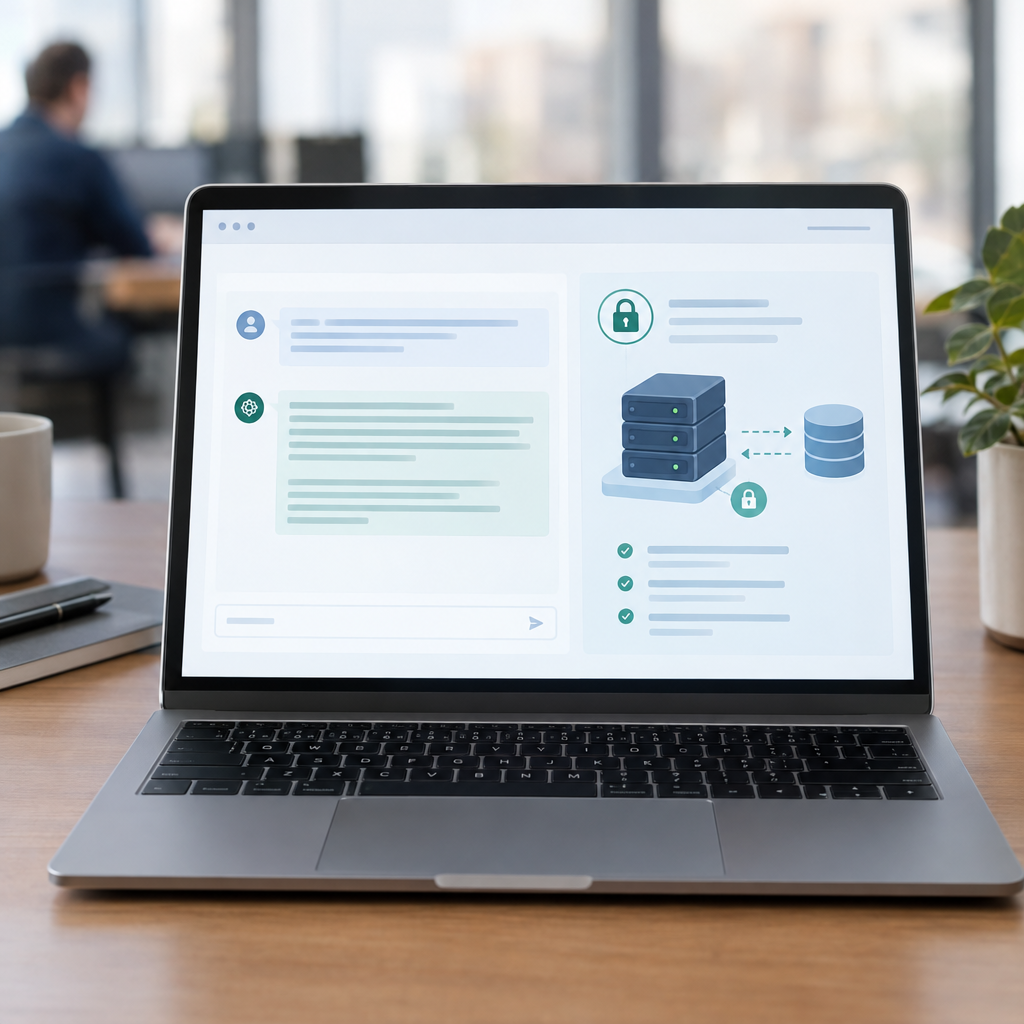
We can build practical integrations that route documents to the right people, track approvals, and record when information is downloaded or changed. Where appropriate, open-source tools such as Nextcloud for file collaboration or Keycloak for identity management can be configured and integrated into a wider business system. The best choice depends on your security needs, existing tools, and support requirements.
5. Automate monitoring and routine checks
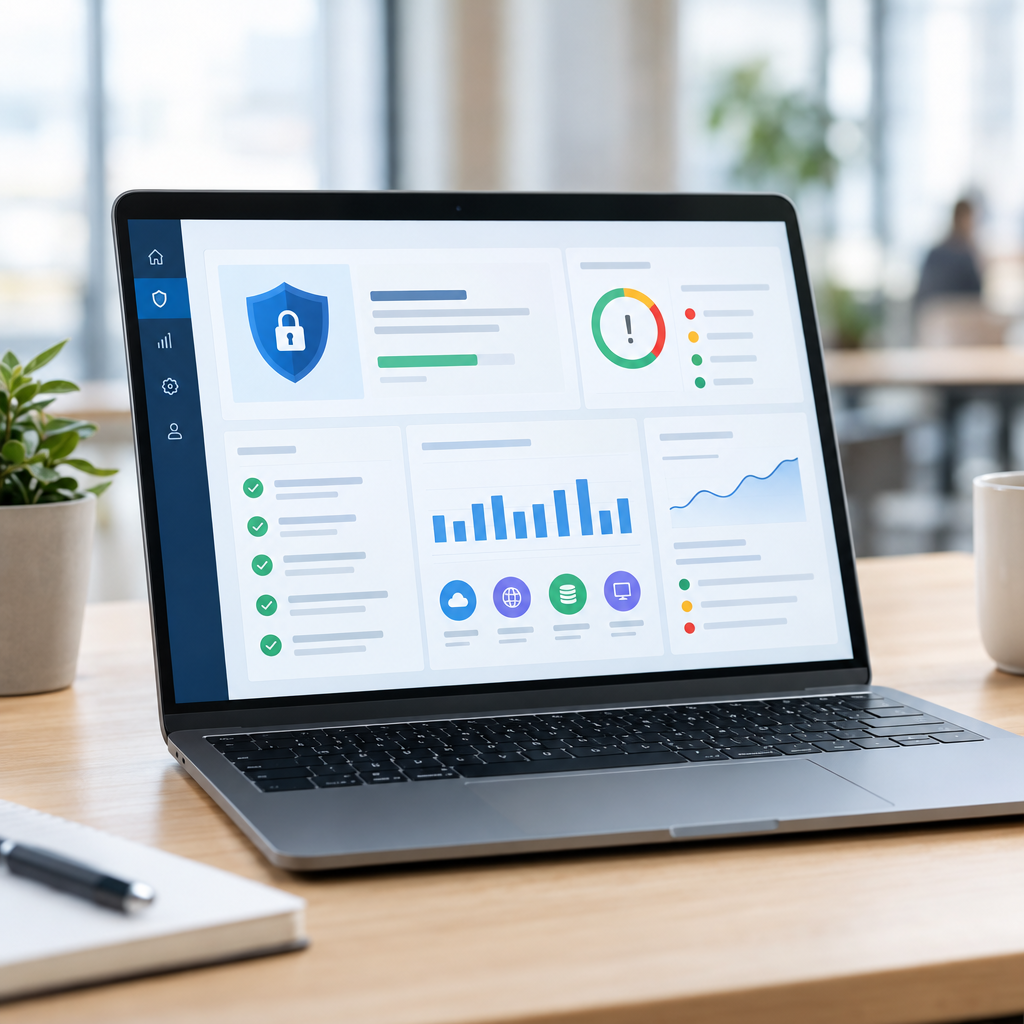
Manual reviews are easy to postpone, especially when teams are busy. Automated alerts can flag unusual sign-ins, changes to sensitive permissions, or unexpected downloads. Regular reports can also show which accounts are inactive and which files are shared outside the organisation.
Automation should support human judgement, not replace it. A small business may need a straightforward monthly access review, while a larger company may benefit from tailored dashboards and alerts connected to its CRM, database, or cloud environment. We help businesses choose an approach that fits their size and day-to-day operations.
6. Prepare for incidents and protect your position
Even with good safeguards, mistakes and security incidents can happen. Agree in advance who should be contacted, how accounts can be disabled, where backups are stored, and how evidence should be preserved. Keep contracts and confidentiality agreements up to date, and make sure employees understand how to handle sensitive information.
For companies operating in Denmark and the wider EU, information protection may also involve GDPR obligations when personal data is concerned. Trade secrets and personal data are different legal categories, so businesses should assess each appropriately and seek qualified legal advice when needed. A clear technical process can help support that work by making access and data handling easier to review.
Conclusion
The Huawei verdict highlights a challenge that applies to businesses of every size: valuable information needs practical, consistent protection. Start by identifying sensitive data, limiting access, improving collaboration, and automating the checks that are easy to miss.
At Best Choice, we build and integrate digital solutions around the way your business works—from secure data workflows and access management to automation and system integrations. Contact us to discuss how we can help protect your information while keeping your operations efficient.