AI Impersonation Fraud: What Businesses Can Learn from the N3on Case
Artificial intelligence can help businesses create content, answer customer questions and automate routine tasks. But the same tools can also make impersonation scams more convincing. In a reported case, David Anthony Sanchez was sentenced to 47 months in prison after impersonating streamer N3on and scamming victims out of cryptocurrency valued at $260,000.
The case is a warning for creators, online communities and businesses across Denmark and Europe: a familiar face, voice or name is not always proof of identity. At Best Choice, we help businesses build practical digital systems that make suspicious requests easier to detect and safer to handle. Here are six lessons organisations can put to work.
1. Understand how AI impersonation can influence decisions
AI can help create or alter images, audio and video, while social engineering supplies the pressure or persuasive story around them. A fraudulent message may appear to come from a known public figure, business owner or colleague. The goal is often to make someone act quickly, share information or transfer money.
Cryptocurrency transfers are especially risky because they are generally difficult to reverse. But the same impersonation tactics can target ordinary bank payments, account access and confidential business data. The key lesson is to verify the request—not just the person or profile it appears to come from.
2. Create a verification process for payments
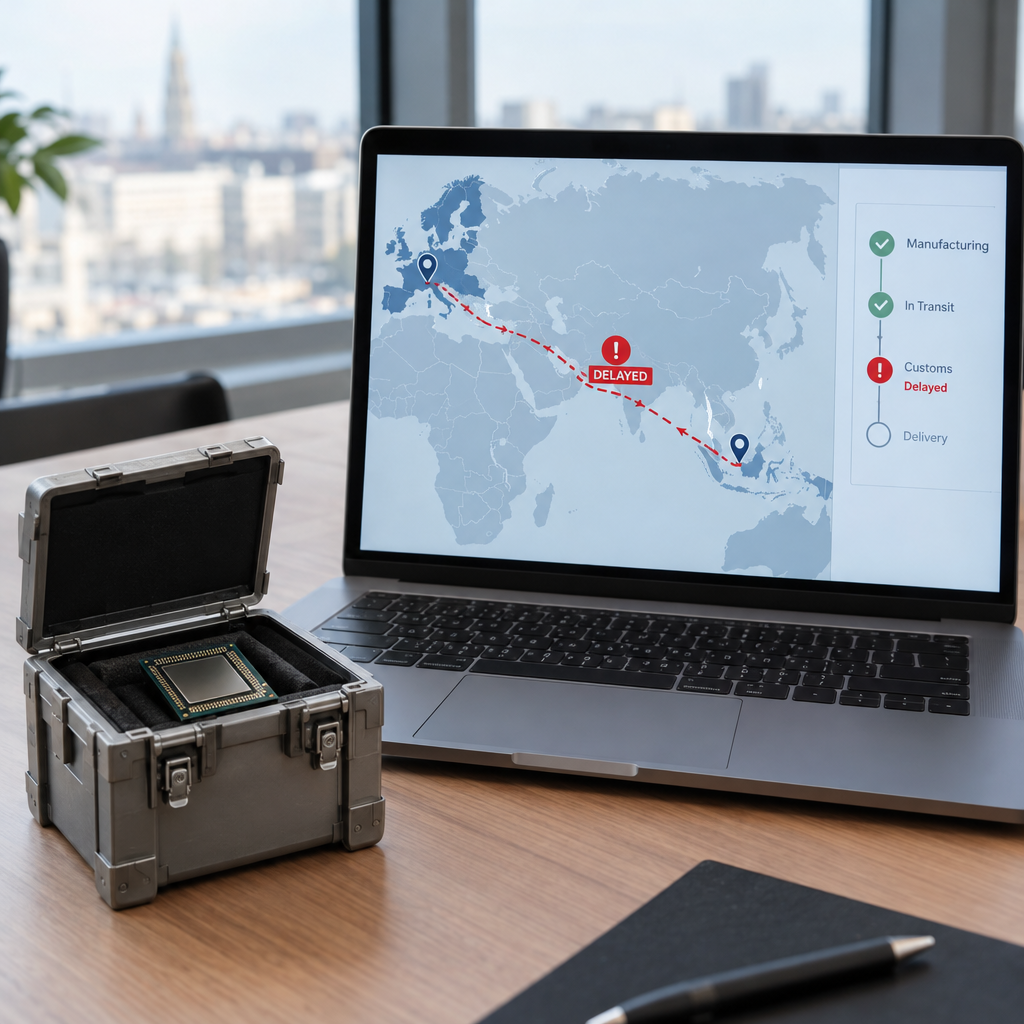
Do not let a single email, video call or social media message approve a high-value payment. Establish a second verification step using a known phone number or a separate, trusted communication channel. For larger transfers, require approval from two authorised people.
- Set payment limits and extra approval rules.
- Confirm changes to supplier bank details independently.
- Never use contact details supplied in the suspicious request itself.
- Document who approved the payment and how their identity was checked.
For example, a Danish online store can require a finance manager to confirm unusual refunds or crypto payments through its internal system. This small process change can prevent a rushed decision from becoming a costly incident.
3. Use custom-built systems to flag unusual activity
Generic security tools can help, but they may not understand how your business normally operates. We at Best Choice can build tailored workflows that compare a request with your own rules—for example, unusual payment amounts, new account details, unexpected login locations or repeated refund requests.
A custom dashboard can route suspicious cases to a staff member for review instead of allowing them to pass automatically. It can also keep an audit trail of alerts, decisions and approvals. The aim is not to let software make every judgement, but to give your team useful context before money or data leaves the business.
4. Protect customer accounts and business data
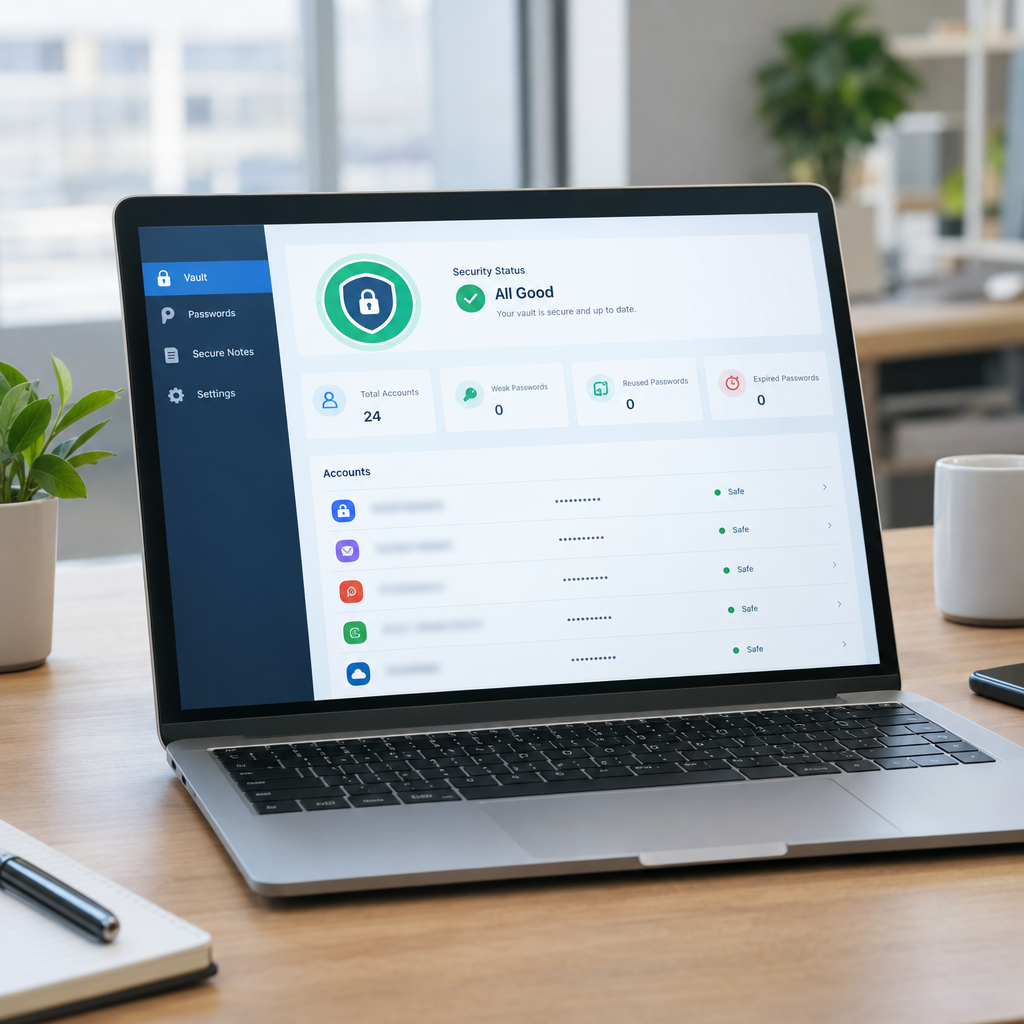
Use multi-factor authentication, unique passwords and access controls based on each employee’s role. Limit access to payment systems, customer records and administrative accounts to people who need it. Regularly review old accounts, especially when staff or suppliers change.
Open-source tools can be part of a well-managed security setup. For example, businesses may use solutions such as Keycloak for identity and access management or Wazuh for security monitoring. These tools need appropriate configuration, maintenance and integration; we can help connect them to your existing systems and business processes.
5. Train staff to pause and verify
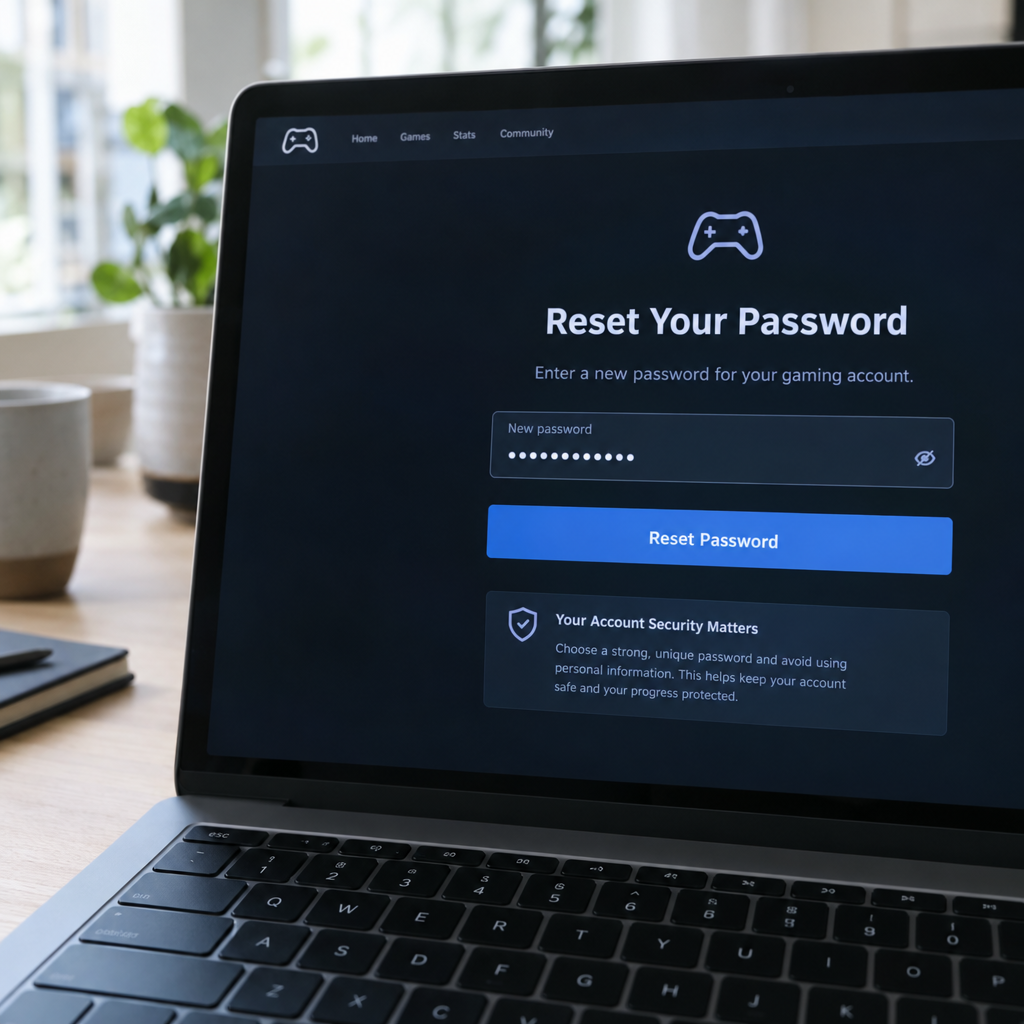
Security awareness works best when it reflects real tasks, not just general warnings. Show employees examples of urgent payment requests, unexpected password resets and messages that ask them to bypass normal procedures. Give them a clear, non-punitive way to report something suspicious.
A clinic, for instance, might train reception staff to verify unusual requests for patient records through an approved channel. A warehouse could use a separate confirmation process for urgent supplier payment changes. In both cases, a short pause and a known verification step can protect operations and customer trust.
6. Prepare for an incident before one happens
If you suspect impersonation or fraud, contact your bank or payment provider immediately, secure affected accounts and preserve relevant messages and transaction details. Notify the appropriate internal decision-makers and follow your legal and regulatory obligations. In Denmark and across the EU, businesses should also consider how an incident involving personal data may trigger GDPR responsibilities.
Write down who leads the response, which systems should be secured and how customers or partners will be informed if needed. A clear plan helps people act quickly without spreading unverified claims or deleting useful evidence.
Protect your business with practical safeguards
The N3on impersonation case shows how trust can be exploited when online identity is difficult to verify. Businesses do not need to stop using AI; they need sensible controls around payments, access, communication and decision-making.
At Best Choice, we help companies assess risks and build custom automation, integrations and security-minded workflows that fit the way they work. Contact us to discuss how your business can reduce fraud risk while keeping everyday operations efficient.