The Biggest Limitations of ChatGPT—and How Businesses Can Manage Them
ChatGPT can help your team draft emails, summarise documents, explore ideas and handle routine questions. But even a paid plan can give confident-sounding answers that are incomplete or wrong. For a business, that matters: an unchecked mistake can lead to poor advice, wasted time or a frustrated customer.
At Best Choice, we help businesses use AI where it adds value—and build practical checks around it. Understanding ChatGPT’s limitations is not a reason to avoid AI. It is a reason to choose the right tasks, protect sensitive information and connect AI to processes that people can review and control.
1. ChatGPT can produce incorrect answers
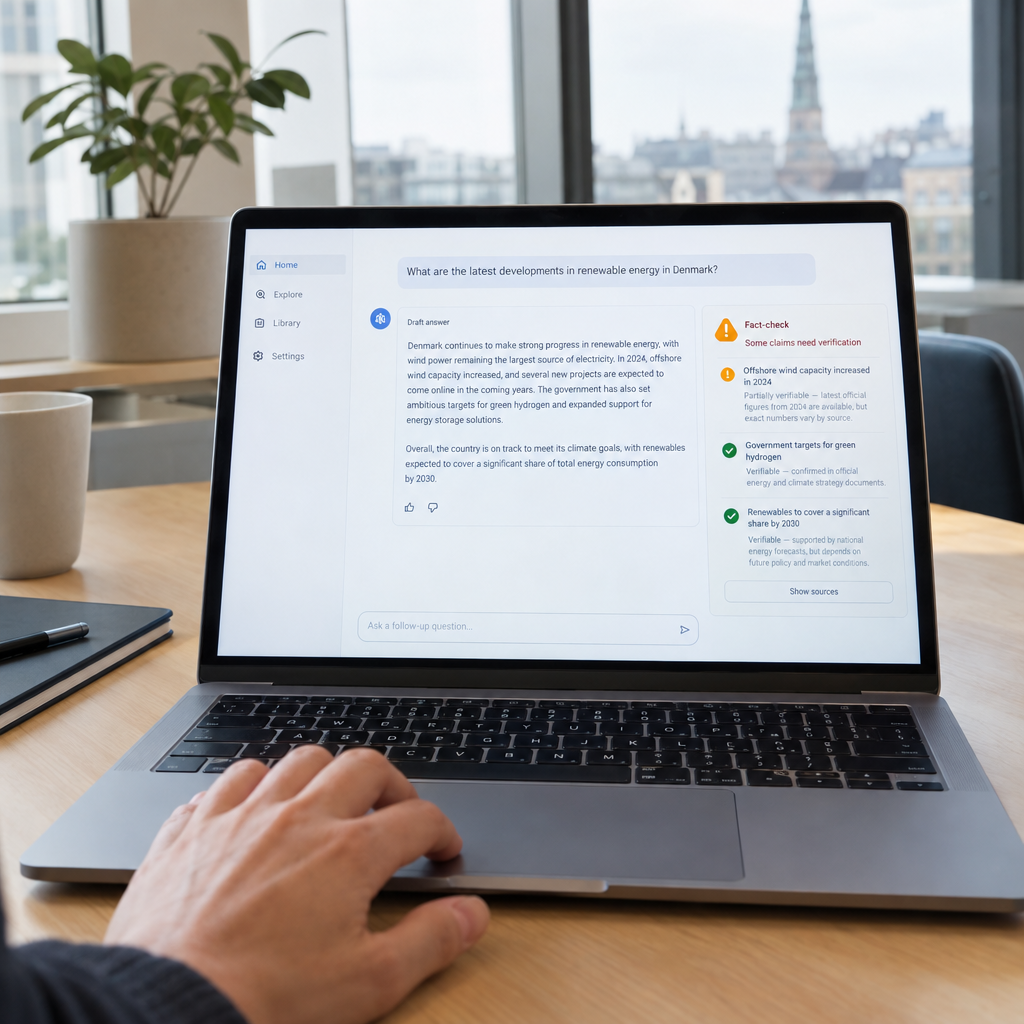
ChatGPT generates responses based on patterns in data; it does not automatically verify every statement against reliable, current sources. It may invent details, misunderstand a question or present an uncertain answer as if it were fact. This is often called a hallucination.
For example, a warehouse might ask a chatbot to explain a product specification, or a clinic might use AI to draft patient-facing information. In both cases, a plausible but inaccurate answer could cause real problems. Use human review for important decisions, and ask the system to show sources when the task depends on factual claims.
- Verify figures, dates, legal requirements and technical instructions.
- Use approved reference documents for company-specific answers.
- Make it clear when the AI should say it does not know.
2. A premium plan does not guarantee accuracy
Paid plans may offer different models, higher usage limits or additional features, depending on the provider’s current offering. They do not make AI infallible. A more capable model can still misunderstand a request, miss an important detail or provide an answer that needs checking.
We recommend choosing a plan based on your actual workflow—not on the assumption that a subscription will remove risk. A café might use AI to draft social media posts, while keeping a manager responsible for prices, opening hours and promotions. That simple approval step can matter more than the subscription tier.
3. Knowledge and context can be incomplete
ChatGPT may not know the latest information, and it does not automatically understand your business’s products, policies or customer history. Even when you provide documents, the model can overlook a detail or apply information out of context. This makes it important to distinguish general assistance from answers that depend on your live business data.
At Best Choice, we can build workflows that connect AI to selected company information, such as product catalogues, internal guides or support documentation. We can also add access rules and escalation steps, so a webshop chatbot can answer common delivery questions but send unusual cases to a person.
4. Sensitive data needs careful handling
Employees may be tempted to paste customer details, contracts, financial information or internal plans into a chatbot to get a faster result. Before doing so, check the service’s data settings, terms and your organisation’s policies. Businesses in Denmark and across Europe should also consider GDPR responsibilities, data minimisation and who is authorised to access information.
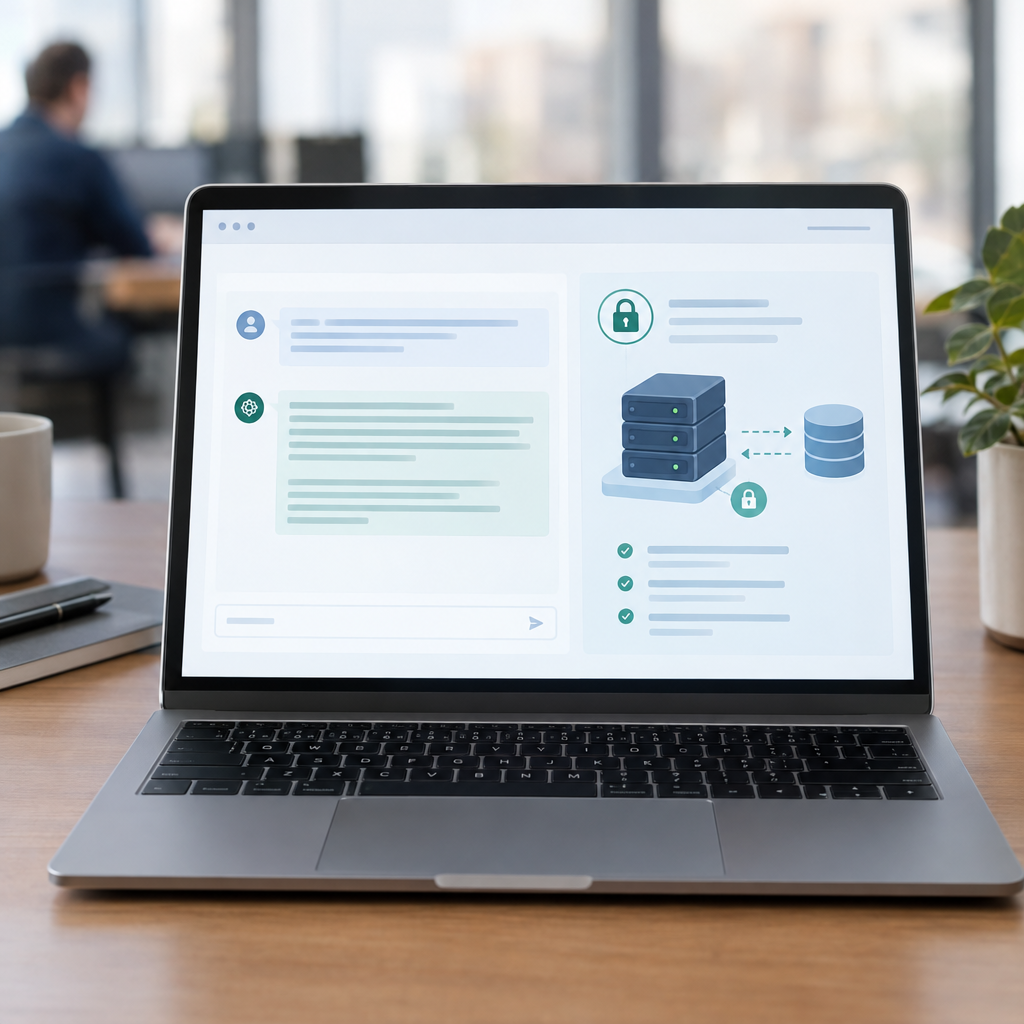
We help businesses assess what data an AI workflow needs and what should stay out of it. In some cases, a controlled setup using an API or a locally hosted open-source model may be worth exploring. Options such as Mistral- or Llama-based models can be integrated into tailored systems, but they still require security, maintenance and quality checks.
5. AI can be inconsistent and miss the business process
The same prompt can produce different wording or levels of detail. That flexibility is useful for brainstorming, but less helpful when every customer needs the same accurate answer or each order must follow a defined process. ChatGPT also does not automatically know when a task is complete, who should approve it or what should happen next.
We design AI and automation around the full workflow—not just the chat window. For an online store, that could mean classifying incoming support requests, drafting a reply from approved information and asking an employee to approve refunds or exceptions. The result is less repetitive work without handing important decisions to an unchecked chatbot.
6. The best approach is to combine AI with people and systems
ChatGPT is usually most useful as an assistant, not as the sole authority. Start with repeatable, lower-risk tasks such as summarising meeting notes, drafting product descriptions or sorting enquiries. Define what success looks like, test the workflow with real examples and review outputs before expanding its role.
We can also integrate AI with existing websites, CRM systems, booking tools and databases, where appropriate. Open-source platforms and commercial services can both be part of the solution; the right choice depends on your requirements for cost, control, data and support. The important point is to make the technology fit your business rather than forcing your team to work around it.
Use ChatGPT with confidence, not blind trust
ChatGPT can save time and support better service, but a premium plan does not remove the need for fact-checking, privacy controls or clear workflows. Businesses get the most value when AI has a defined role, reliable information and a sensible human review process.
At Best Choice, we help companies across Denmark and Europe assess AI opportunities, automate routine work and build integrations around their needs. Contact us to discuss a practical AI solution that supports your team while keeping important decisions under your control.