What the Reported NVIDIA Chip-Smuggling Network Means for Businesses Using AI
Bloomberg has reported evidence of a network of Chinese companies involved in smuggling NVIDIA chips, with Alice Huang described as being at its centre. The report raises serious questions about how advanced computing hardware moves across borders and how businesses can check the risks in their technology supply chains.
For companies in Denmark and across Europe, the story is a reminder that AI projects depend on more than software. Hardware sourcing, supplier checks, export-control requirements and accurate records all matter. At Best Choice, we help businesses build digital systems that make these processes easier to monitor and manage.
1. What the report says—and what businesses should keep in mind
Bloomberg’s reporting describes a web of companies allegedly connected to the movement of NVIDIA chips into China, despite restrictions. The report links Alice Huang to the network. These are serious claims, but a media report is not the same as a court finding, and businesses should avoid treating allegations as proven facts.
The practical lesson is to take supply-chain risk seriously without jumping to conclusions. If your business buys servers, accelerators or AI services, document who supplied them, where they came from and what checks were completed. Good records help you make informed decisions and respond if new information emerges.
2. Why chip supply chains matter to AI projects
Powerful chips are used to train and run AI models, analyse large datasets and support demanding applications. When access to hardware is restricted or uncertain, projects may face delays, higher costs or sudden changes in availability. Even businesses that do not buy chips directly can be affected if their cloud or technology providers rely on them.
For example, an online retailer planning an AI-powered product recommendation service should understand whether its provider can deliver the required computing capacity over time. A clinic considering AI tools should also ask about service continuity, data handling and the technology suppliers behind the solution. These questions help prevent an exciting pilot from becoming a fragile business dependency.
3. Make supplier checks part of everyday operations
Supplier due diligence is most useful when it is a repeatable process, not a one-time form. A business can record supplier ownership, product details, country of origin, contract terms and relevant compliance checks in one structured system. It can then flag missing information or suppliers that need a closer review.
At Best Choice, we can build workflows that connect purchasing, inventory and compliance records. For instance, a warehouse team could scan a delivery, match it against an approved purchase order and route exceptions to a manager. This reduces manual checking and creates a clearer audit trail.
4. Use automation to spot changes and exceptions
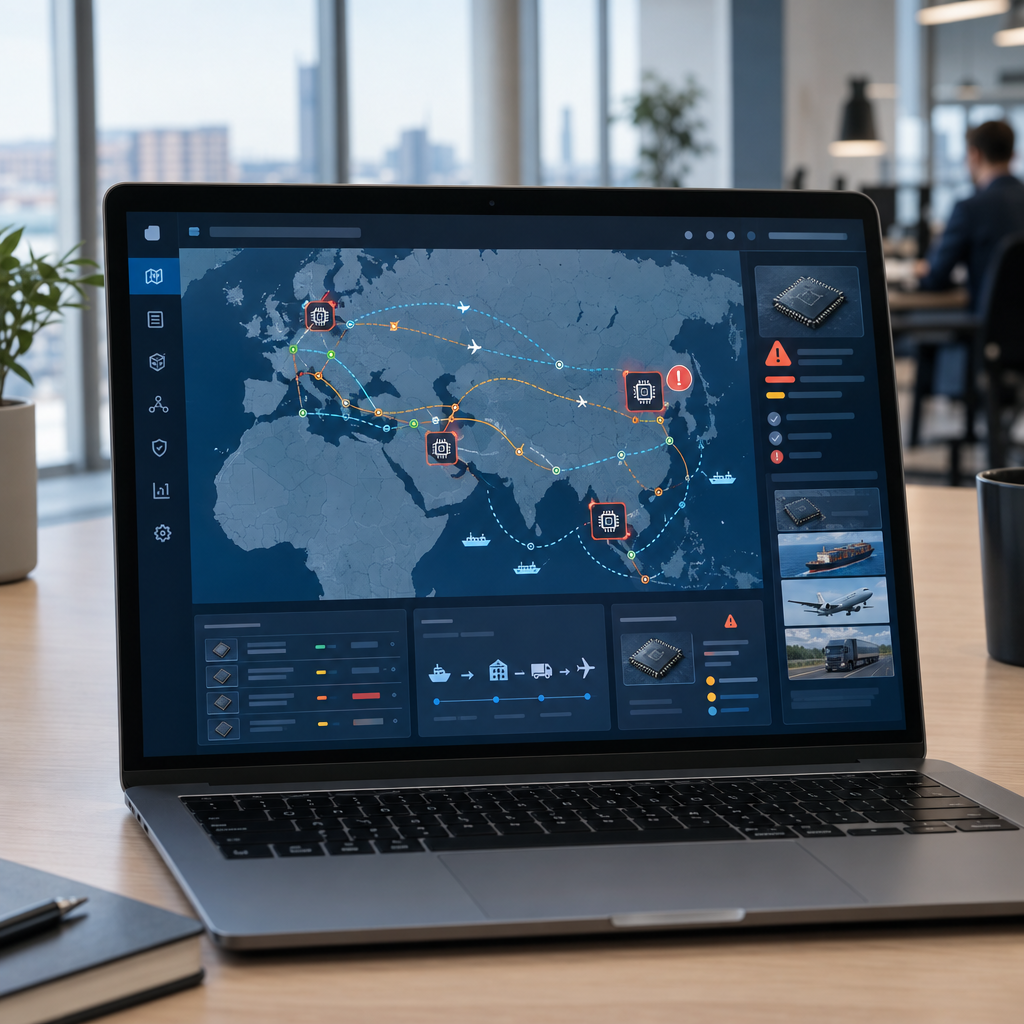
Automated monitoring can help teams notice changes that deserve attention, such as a supplier changing its legal name, a product’s origin details being updated or a shipment arriving with incomplete documentation. A system should not make a legal decision on its own, but it can bring unusual cases to the right person sooner.
We can develop dashboards and alerts that bring together data from procurement tools, spreadsheets, inventory systems and external sources. A Danish electronics distributor, for example, could receive an alert when a shipment record does not match its purchase documentation. Staff spend less time comparing files and more time resolving the actual issue.
5. Choose AI infrastructure with flexibility in mind
Businesses do not always need to own specialist hardware. Cloud services can offer access to computing capacity, while a carefully designed system can also make it easier to switch providers if costs, availability or compliance requirements change. The right choice depends on the sensitivity of your data, performance needs, budget and expected growth.
We recommend avoiding unnecessary dependence on one provider or one technical setup. A well-planned AI solution can separate the business application from the infrastructure it runs on, making future changes less disruptive. Where appropriate, open-source tools can support parts of a company’s data and application environment, while commercial platforms may still be useful when they meet specific needs.
6. Practical steps for Danish and European businesses
- Map your dependencies: List the hardware, cloud providers and technology partners your key services rely on.
- Keep clear records: Store contracts, invoices, product details and supplier checks in an accessible, secure system.
- Set a review process: Decide who checks exceptions and how often higher-risk suppliers are reassessed.
- Ask direct questions: Request clear information from providers about sourcing, service continuity and relevant compliance responsibilities.
- Plan for disruption: Identify alternative suppliers or technical options for important business services.
Rules and restrictions can differ by product, destination and end use, and they can change. Businesses should seek qualified legal or compliance advice when a transaction raises questions about export controls or sanctions. Digital tools can support that work by organising evidence and routing decisions, but they do not replace professional judgement.
Conclusion: Build a more resilient AI supply chain
The Bloomberg report highlights how complex the global AI hardware market can be. For European businesses, the best response is not panic but preparation: understand your dependencies, keep reliable records and make supplier review part of normal operations.
At Best Choice, we help companies automate procurement checks, connect business systems and build practical data workflows. Contact us to discuss a solution that improves visibility, saves staff time and helps your business adopt AI with greater confidence.